


Ultimate Guide to Chocolate Boxes: Types, Flavors, and Selection Tips
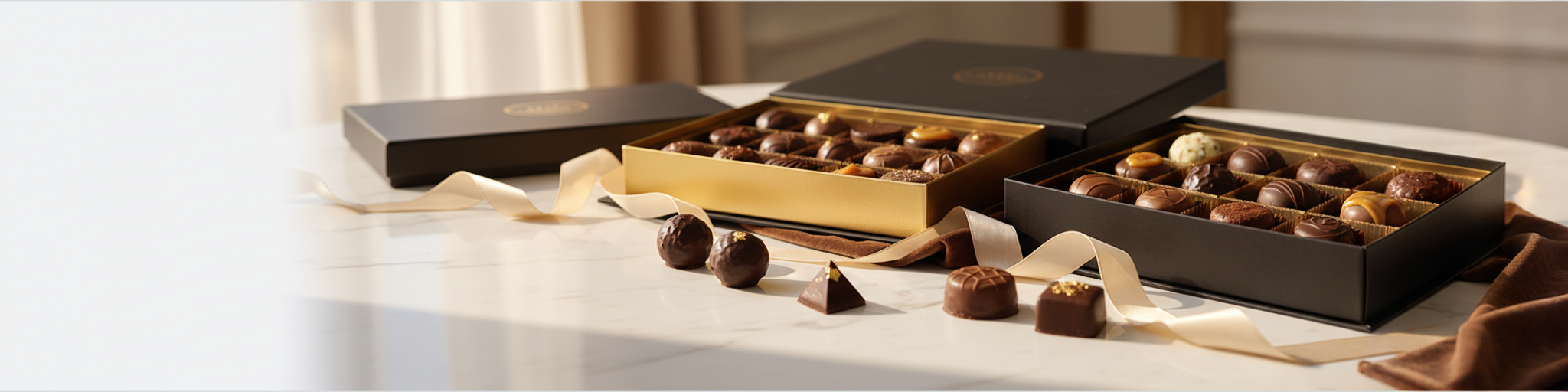
From truffle assortments that double as curated tasting flights to corporate gift programs that turn confections into brand ambassadors, this guide walks you through every chocolate-box decision—matching types to occasions, decoding flavor wheels for dark, milk, white and plant-based varieties, pairing them with teas, spirits or chilies, vetting labels for origin and ethical sourcing, and protecting quality with storage, shipping and presentation tactics that keep glossy finishes intact and ganaches bloom-free. You’ll learn why freshness windows matter more for filled pieces than bars, how seasonal and limited-edition collaborations create collectible excitement, and what sustainable, smart-packaging cues signal to eco-minded recipients, all while staying within budget through local makers and volume discounts. Whether you’re wooing a Valentine, thanking a client, or indulging yourself, the article equips you to turn a simple box into a multi-sensory, story-rich experience that tastes as thoughtful as it looks.
Types of Chocolate Boxes for Every Occasion
Curated truffle boxes turn every occasion into a tasting adventure—balancing classic burnt caramel with tarragon-grapefruit surprises, guided by detailed flavor maps and single-origin beans that prove freshness within 10 days beats shelf life.
Assorted Truffle Boxes
Assorted truffle boxes offer a curated tasting experience, allowing exploration of multiple flavors and textures in one package. The best collections balance creativity with craftsmanship, featuring thin, snappy chocolate shells that melt smoothly on the tongue while delivering distinctive fillings. Quality makers distinguish themselves with perfectly executed flavors and visual variety—offering classic burnt caramel alongside adventurous combinations like tarragon grapefruit, with no two pieces looking alike [1].
When evaluating truffle assortments, prioritize freshness and balanced flavor profiles. Expert chocolatiers showcase single-origin chocolate through their truffle collections, demonstrating how beans from different regions create distinctly different taste experiences [2]. For maximum enjoyment, consider boxes that include detailed flavor guides—comprehensive pamphlets enhance the tasting experience by explaining nuanced flavor profiles [2].
For optimal freshness, store assorted truffles properly and consume within 10 days of receipt, as quality chocolates have shorter shelf lives than chocolate bars (see our detailed storage guidelines in the Best Practices section) [2]. Most premium truffle boxes ship with special insulation to protect delicate pieces, arriving with distinct shapes that make selection exciting—from psychedelically swirled exteriors to traditional French-style bonbons [1] [3].
Seasonal & Holiday Themed Boxes
Seasonal chocolate boxes transform gifting into a festive experience with limited-edition designs and holiday-inspired flavors. Christmas collections stand out with distinctive presentations featuring festive flavors such as cinnamon bun, burnt caramel praline, and seasonal cocktail-inspired pieces [4].
The winter season brings signature offerings like Williams Sonoma's Peppermint Bark in peppermint-striped tins and chocolate-dipped macarons with premium toppings including golden bee pollen and roasted coffee beans [4]. Beyond December, chocolate calendars mark celebrations throughout the year—from National Dark Chocolate Day (February 1st) to Chocolate Mint Day (February 19th) and National Milk Chocolate Day (July 28th) [5].
These themed boxes often feature exclusive ingredients reflecting seasonal tastes, with holiday-themed chocolates and "no-melt guarantees" [4].
Customizable Corporate Chocolate Boxes
Corporate chocolate gifts leverage premium confections to strengthen business relationships through branded, customizable presentations. Most luxury chocolatiers offer size flexibility ranging from intimate 2-piece boxes to substantial 80-piece collections, accommodating both individual client gifts and large-scale employee recognition programs [6]. Customization typically extends beyond packaging to the chocolates themselves—company logos can be embedded directly onto chocolate surfaces through transfer sheets or molds, creating immediate brand recognition when recipients open their gift [7].
The most effective corporate chocolate programs offer tiered volume discounts (typically 5% off orders over $500 and 10% off orders exceeding $1,000) with fulfillment services that handle recipient list management and direct shipping [8]. Decision makers should consider three key benefits when selecting corporate chocolate gifts: brand perception enhancement through premium packaging, employee morale improvement through quality recognition, and relationship strengthening with clients through personalized attention [8]. Logistics matter significantly—leading providers offer concierge teams who manage the entire process from design consultation through delivery confirmation, removing administrative burdens while ensuring consistent presentation across multiple recipient locations [7].
For maximum impact, corporate chocolate programs should integrate seasonal planning, with early ordering incentives (additional 2% discount for orders placed before October 31) that avoid holiday rush periods while ensuring recipients receive perfectly conditioned chocolates [8].
Flavor Profiles and Pairing Strategies
Master dark chocolate’s layered complexity—from Madagascar’s berry-bright notes to South America’s nutty depths—by snapping, sniffing, and slow-melting it at 65-70°F while mapping flavors on the chocolate wheel.
Dark Chocolate Mastery: Intense and Complex
Dark chocolate offers a multidimensional tasting experience defined by balanced bitterness, astringency, and complex flavor notes. Unlike simpler chocolate varieties, premium dark chocolate reveals itself gradually as it melts, presenting initial cocoa intensity followed by secondary notes that might include fruity, floral, spicy, nutty, or caramel characteristics [9]. This complexity makes dark chocolate an ideal canvas for sophisticated bonbon creations, where master chocolatiers balance intense cacao with complementary fillings. To properly evaluate dark chocolate, begin with its aroma—inhale deeply before tasting to identify the sweetness level and richness—then allow a small piece to melt on your tongue rather than chewing [10].
Listen for a clean snap when breaking the chocolate, which indicates proper tempering and quality production [10]. The most sophisticated dark chocolates balance natural bitterness without overwhelming the palate, allowing subtle flavor notes to emerge through proper conching and fermentation [10]. Temperature significantly impacts tasting; store dark chocolate at 65-70°F to preserve its intended flavor profile and texture [11]. When exploring dark chocolate varieties, compare bars with the same percentage from different makers to discern how origin, processing techniques, and terroir influence flavor development [10].
The chocolate flavor wheel serves as a valuable tool for identifying specific notes, organizing dark chocolate's complex flavors into categories including fruity, nutty, floral, savory, earthy, caramel, and spicy dimensions [11]. Single-origin dark chocolates particularly showcase how growing region influences flavor—Madagascar beans often present berry and citrus notes while South American varieties might feature nutty, woody undertones [10].
Milk Chocolate Comfort: Creamy and Versatile
Milk chocolate offers a perfect balance of creamy texture and sweet, mellow flavor that makes it exceptionally versatile for pairings. Unlike its intense dark counterpart, milk chocolate combines well with mild sweet flavors like vanilla, red fruits, and nuts, which enhance its natural sweetness and creaminess [13]. This versatility explains why milk chocolate remains a cornerstone in both traditional European confections and modern American interpretations.
The mellow profile carries a subtle cocoa edge that creates endless pairing possibilities with both sweet and savory companions [12]. For unexpected savory combinations, pair milk chocolate with salty foods like crisps or bacon to add complexity, or creamy cheeses like ricotta that complement its smooth texture [12]. Beverage pairings further demonstrate milk chocolate's adaptability—lighter spirits like vodka benefit from milk chocolate's sweetness, which softens the alcohol's edge [14].
Similarly, the caramel notes in quality milk chocolate make it ideal for pairing with lighter rums [14]. Even traditional tea service transforms when accompanied by caramel milk chocolate, with the natural sweetness of tea marrying perfectly with butterscotch notes to create a comforting combination [12]. Quality milk chocolate serves as an excellent canvas for complex flavor profiles, where the velvety smoothness balances perfectly with warming spices like cinnamon, cardamom, ginger, and cloves—creating harmonious combinations that showcase both traditional techniques and innovative creativity [14].
White Chocolate Elegance: Subtle Sweetness
White chocolate stands apart from darker varieties with its silky texture and subtle sweetness, offering a distinct tasting experience without the bitterness of cocoa solids. Created from a blend of cocoa butter, sugar, and milk solids, white chocolate emerged commercially in the 1930s when Nestle introduced the Milkybar [16]. The absence of cocoa solids creates a clean, smooth finish that makes white chocolate surprisingly versatile for pairings [17]. Quality white chocolate displays golden hues rather than stark white coloring, which often indicates substitution with vegetable oils [16]. The EU requires a minimum 20% cocoa butter content, though premium producers may use significantly more—creating a richer mouthfeel [16].
White chocolate's delicate profile features subtle notes of vanilla, cream, and caramel, making it an excellent canvas for complementary flavors [17]. Fruit pairings create beautiful contrasts, with tart berries like strawberries and raspberries balancing white chocolate's sweetness, while citrus fruits cut through its richness with refreshing acidity [15]. For texture contrast, nuts provide the perfect counterpoint—macadamias offer buttery richness, pistachios contribute vibrant color and mild sweetness, and almonds add earthy depth [15]. White chocolate pairs surprisingly well with select cheeses; cream cheese and mascarpone blend beautifully in desserts, while adventurous palates might appreciate the sweet-savory contrast with mild brie or ricotta [15]. For beverage pairings, champagne and sparkling wines provide effervescent contrast to white chocolate's richness, while a buttery Chardonnay enhances its creamy texture [17].
Non-alcoholic options include the pleasant bitterness of coffee or espresso that balances white chocolate's sweetness, while the mild astringency of green tea cleanses the palate between bites [17]. For an unexpected combination, pair white chocolate with the warm, spicy notes of chai latte, which enhances its vanilla and caramel undertones [17]. At andSons, our modern bonbon collection explores these innovative white chocolate pairings, combining time-honored European techniques with Los Angeles-inspired creativity.
Creative Pairings: Nuts, Fruits, Spices, and Spirits
Chocolate's complex flavor profile creates endless pairing possibilities beyond traditional combinations, with successful pairings delivering greater sensorial experiences than individual ingredients alone [20]. The science behind effective pairings involves finding complementary aromas while incorporating contrasting tastes and textures—creating depth without overwhelming the palate [20]. While nuts and fruits remain classic companions, innovative pairings elevate chocolate gift boxes to memorable culinary experiences. Tea offers surprising versatility: dark chocolate (70%+) pairs beautifully with smoky Lapsang Souchong for an adventurous contrast, while creamy milk chocolate complements spicy chai's warming notes [18].
For exotic spice combinations, dark or milk chocolate infused with cardamom and saffron creates complex, floral-citrus warmth that enhances cocoa's earthiness [18]. Regional pairings showcase terroir-specific combinations, with craft makers infusing chocolate with local spirits and ingredients to capture cultural essence—such as Brazilian-inspired bars featuring cachaça and lime, or Mexican chocolates incorporating traditional spices [19]. Spirits particularly complement dark chocolate's intensity; the natural flavors of cacao pair harmoniously with whisky, cognac, rum and tequila, which explains why craft makers age chocolate in specialty barrels to absorb flavor nuances [20]. For texture contrast, try milk chocolate with toasted quinoa or buckwheat groats, which provide a nutty, almost malted crunch against smooth chocolate [18].
Heat-seekers should explore chocolate with chili varieties, from Jamaica's fiery scotch bonnet to Thailand's bullet chili, which balance chocolate's richness with warming complexity [19]. Even floral elements create unexpected elegance—white chocolate with delicate lavender or rose offers a perfumed, aromatic experience that transforms chocolate into a multisensory journey [18].
Choosing the Perfect Chocolate Box
Scan the label for brevity—exceptional dark chocolate contains just cocoa beans, sugar, and cocoa butter—then match the bar to your recipient’s taste profile, dietary needs, and cultural preferences for a gift that feels personally crafted.
Assessing recipient preferences
Understanding recipient preferences dramatically improves chocolate gift impact and ensures your selection resonates personally. Start by identifying their taste profile – those with sweet teeth typically prefer milk chocolate's creamy richness, while more sophisticated palates often appreciate dark chocolate's complex flavor notes and single-origin varieties as detailed in our flavor profiles section [21]. Consider their eating habits: adventurous eaters welcome unusual flavor combinations like cardamom-infused or chili-spiced chocolate, while traditionalists prefer classic combinations like caramel or hazelnut [23].
Food allergies and dietary restrictions require special attention – 8-12% of premium chocolate markets now cater to specialized dietary needs including kosher, vegan, and gluten-free options [22]. Cultural background significantly influences chocolate preferences, with geographic factors affecting flavor expectations – Beverly Hills' international clientele creates demand spanning from European bitter chocolate traditions to contemporary American artisanal preparations. For romantic partners, observe their spontaneous chocolate selections at restaurants or stores, noting whether they gravitate toward fruit-infused options, pralines, or pure chocolate bars [23].
When completely uncertain about preferences, quality truffle assortments containing varied flavor profiles offer a safe yet sophisticated choice, allowing recipients to discover their favorites while providing a complete tasting experience [21]. Professional chocolatiers often provide personalized consultations to help navigate these considerations, drawing on generational expertise to match selections with recipients' individual tastes while ensuring occasion-appropriate presentations.
Evaluating quality indicators and ingredients
Quality chocolate speaks through its ingredient list first. Scan the label for brevity—exceptional dark chocolate contains just cocoa beans, sugar, and cocoa butter, while milk chocolate adds only milk powder to that list [24]. Beware of ingredients you wouldn't recognize or find in your kitchen—vegetable fats, emulsifiers like PGPR, artificial flavorings, and vanillin (synthetic vanilla) all signal mass production over craft quality [24]. The ingredients should appear in a specific order: cocoa beans should always lead the list, not cocoa powder or reconstituted components [24].
Beyond ingredients, origin transparency separates premium offerings from commodity chocolate. Look for specific farm, estate, or cooperative names rather than just country designations—makers who specify Tanzanian beans from Kokoa Kamili Cooperative demonstrate greater connection to their supply chain than those merely listing "African cocoa" [24]. Production methods matter equally; craft makers typically share details about their process directly on packaging, often noting roast profiles, conche times, and even batch numbers [24]. Time-honored European chocolate-making techniques passed through generations ensure consistent quality—from proper tempering that creates the perfect snap to traditional conching methods that develop smooth texture and complex flavors.
Price provides the final quality indicator—craft chocolate typically costs $7-10 per bar because ethically sourced cacao commands higher prices and small-batch production is labor intensive [24]. This price difference directly impacts farmer livelihood; suspiciously cheap chocolate ($3 or less per 100g) usually indicates corners cut somewhere in the production chain [24].
Budgeting Without Compromising Luxury
Quality chocolate boxes don't require emptying your bank account when you understand what drives pricing and where value truly lies. Premium chocolates typically cost upwards of $2 per piece with high-end assortments ranging from $36-50 for smaller collections.
Consider buying locally to eliminate shipping fees, which can range from $14 for standard to $30 for overnight delivery. Many cities host chocolatiers using premium ingredients without the premium markup – search for local makers using quality Belgian or French chocolate bases that deliver exceptional taste without international shipping costs [25].
Presentation, Storage, and Delivery Best Practices
Master the art of chocolate presentation by engineering a multi-sensory unboxing experience—complete with satisfying magnetic snaps, tactile material contrasts, and hidden surprises—while storing your treasures at 65-68°F to preserve their peak flavor.
Unboxing Experience: Design and Tactile Details
The chocolate box unboxing ritual transforms a simple purchase into a memorable sensory journey that engages sight, touch, and even sound. Premium chocolate boxes employ structural design to create staged reveals—magnetic closures that snap satisfyingly, drawer-style systems that slide open smoothly, or multi-tiered compartments that unveil progressively more delightful discoveries [26]. The tactile quality of materials significantly influences perceived value, with texture variations creating distinct emotional responses: embossed logos provide subtle finger-tracing moments, soft-touch coatings invite lingering touches, and ridged surfaces create textural contrast against smooth chocolate packaging [26].
Sound elements, though often overlooked, play a crucial role in luxury perception—the gentle resistance of a well-crafted hinge, the subtle whisper of tissue paper, or the solid thunk of a magnetic closure all signal quality through acoustic feedback [27]. Color psychology extends beyond visual appeal to create anticipatory emotions, with deep cocoas and rich burgundies suggesting intensity while softer pastels promise milder flavors [28]. The most sophisticated designs incorporate surprise elements that trigger dopamine responses, such as hidden compartments, playfully arranged interior layouts, or unexpected structural elements that create moments of delight during discovery [27].
When evaluating chocolate box designs, consider the multi-sensory journey—from the weight in your hands to surface transitions between materials, as these subtle details communicate quality before you've tasted a single piece [26].
Optimal Storage Conditions for Freshness
Proper storage determines whether your chocolate maintains peak flavor or develops off-notes and texture problems. Never refrigerate chocolate under normal circumstances—it readily absorbs refrigerator odors and the moisture promotes sugar bloom (a harmless but unappealing white discoloration) [29]. Instead, store chocolates in a cool, dry place between 65-68°F with humidity below 55%, which keeps the emulsion of cocoa solids and cocoa butter stable for months [29].
Always seal chocolates in airtight containers to prevent oxidation and absorption of surrounding odors—cocoa butter readily picks up nearby scents that alter flavor [29]. When summer heat makes refrigeration necessary, first wrap chocolates tightly, then seal them in an airtight container before refrigerating. Let them return to room temperature before unwrapping to prevent condensation [29].
For long-term storage (6-12 months), use your freezer by first refrigerating the sealed container for 24 hours, then transferring it to the freezer. Reverse this process when retrieving: move to refrigerator for 24 hours, then let reach room temperature before unwrapping [29]. This gradual temperature transition preserves texture and prevents shock to the chocolate's delicate structure [29].
Warm‑Weather Shipping Solutions
Shipping chocolate during warm weather requires specialized strategies to prevent melting, which begins at 86-90°F—well below body temperature [30]. Effective insulation forms the first defense, with thermal box liners protecting shipments for up to 72 hours while maintaining internal temperatures [31]. Pre-cool chocolates before packaging to create a temperature buffer that helps products withstand brief heat exposure during transit [32].
Position cooling elements strategically—place gel packs above chocolates since cold air falls, and wrap them to prevent condensation damage [32]. For extreme heat or shipments exceeding three days, dry ice provides more sustained cooling but requires careful handling to prevent freezing the product [30]. Timing significantly impacts delivery success: schedule pickups during cooler morning hours, avoid weekend deliveries that leave packages sitting in non-climate-controlled facilities, and choose expedited shipping when temperatures exceed 80°F despite higher costs [31].
Cold chain logistics require continuous temperature monitoring from storage to shipping to preserve both product integrity and brand reputation [32]. For businesses shipping regular chocolate orders, investing in a thermal packaging study helps optimize the balance between temperature protection and shipping costs while ensuring consistent quality [30]. Professional chocolate shippers increasingly use technology like GPS tracking and predictive analytics to make proactive adjustments to routes and delivery schedules based on weather forecasts [32].
Gift Wrapping and Personalization Tips
Elevating chocolate gifts through personalized presentation transforms a simple box into a cherished experience. While corporate customization options are covered extensively in earlier sections, personal gift-giving calls for intimate touches that reflect both the giver's thoughtfulness and the recipient's preferences. Begin with quality foundation materials—heavy-weight papers, genuine ribbons, and substantial tissue create immediate impressions of value before the box is even opened [33]. Personal messages carry exceptional weight; a handwritten note on quality stationery or a carefully chosen quotation about chocolate adds emotional depth that printed cards cannot match [33].
For milestone celebrations, consider presentation boxes that serve dual purposes—beautiful keepsake containers that protect chocolates during gifting then transition to jewelry boxes or desk accessories afterward. Seasonal wrapping should complement rather than compete with the chocolate box design; subtle metallic accents or a single luxurious ribbon often create more sophisticated impressions than elaborate decorations [26]. Temperature-sensitive handling extends to wrapped gifts—avoid wax seals or adhesives that might melt during transport, and choose breathable materials that prevent condensation buildup [33]. The most memorable presentations coordinate with the chocolates themselves.
Dark chocolate assortments pair beautifully with deep jewel-toned wrappings, while milk chocolate collections suit warmer, cream-colored presentations. For those seeking sustainable options without compromising luxury, the eco-friendly packaging innovations discussed in the following section offer numerous possibilities. At andSons, we've found that simple elegance—quality chocolate presented with restraint and attention to detail—creates the most lasting impressions [26].
Trends and Innovations Shaping Chocolate Boxes in 2025
Plant-based chocolate boxes have evolved into indulgent, Instagram-worthy gifts—think oat-milk “milk” chocolates, coconut-cream truffles and birthday-cake bonbons—that deliver the velvety mouthfeel of premium assortments without dairy, tapping a $1.2 billion market growing 12% a year.
Plant‑Based and Vegan Chocolate Selections
Plant-based chocolate has transformed from niche specialty to mainstream offering, with the global market now valued at $1. 2 billion and projected to reach $3. 8 billion by 2033—growing at nearly 12% annually [36]. This growth stems from ethical concerns, environmental awareness, and health-conscious consumers seeking dairy alternatives. Leading manufacturers now incorporate innovative plant-based ingredients to recreate traditional chocolate's creamy texture without animal products.
Oat milk has emerged as a preferred dairy substitute due to its neutral flavor profile and creamy texture, while coconut, almond, and rice milk offer varied mouthfeel options [34]. Texture innovation remains critical for consumer acceptance, with cocoa butter, shea butter, and plant-based lecithins enhancing the essential velvety quality that defines premium chocolate [36]. Quality plant-based selections differ significantly from earlier vegan alternatives—modern formulations achieve indulgent creaminess while maintaining clean labels that appeal to ingredient-conscious shoppers. The younger demographic drives market expansion, with approximately 4% of 20-29-year-olds following plant-based diets and actively sharing discoveries through social media [36]. For gift selection purposes, plant-based boxes now include sophisticated options beyond dark chocolate, including milk-style varieties using oat bases and white chocolate alternatives using cocoa butter without milk solids [35].
Specialty chocolatiers have developed filled bonbons, truffles, and pralines using plant-based ganaches made from coconut cream or specialized emulsions that deliver the luxurious mouthfeel of traditional cream-based fillings [36]. Premium vegan assortments now feature creative flavor combinations previously unavailable to plant-based consumers—artisanal makers have expanded their product lines with innovative flavors ranging from birthday cake celebrations to salted popcorn indulgences [35]. When selecting plant-based chocolate gifts, verify certification credentials like the Vegan Society's trademark to ensure products meet strict standards prohibiting animal derivatives and cross-contamination [36].
Limited‑Edition Collaborations with Artisans
Limited-edition artisanal collaborations transform chocolate from product to experience through unexpected flavor combinations and storytelling. Premium makers increasingly partner with global artisans from complementary fields—winemakers, distillers, and farmers—creating chocolates that capture cultural essence through innovative ingredients. This trend sees chocolatiers infusing aged spirits into dark chocolate for 30 days or more, then enhancing with citrus zest and sugar to create authentic cocktail experiences in chocolate form [37].
These collaborations often highlight specific origin stories and production ethics, with some makers sourcing exclusively from women-run farms and directing premium pricing toward educational scholarships for local students [37]. Beverly Hills chocolatiers like andSons exemplify this approach by combining time-honored European processes with Los Angeles creative inspiration, crafting limited releases that honor both heritage and innovation.
The limited-edition strategy aligns with the 2025 "Intense Indulgence" trend identified in industry research, where consumers increasingly seek bold flavors and multi-sensory experiences that transform chocolate consumption into moments of discovery [38]. Cross-disciplinary partnerships produce particularly memorable innovations, such as craft beer-infused chocolate bars that marry hoppy citrus notes with cacao's natural earthiness [37]. These collaborations succeed by offering exclusivity and authenticity—values increasingly prioritized by consumers who view chocolate as a vehicle for both cultural exploration and ethical consumption [35].
Eco‑Friendly Materials and Minimalist Design
Eco-friendly packaging has evolved from niche offering to industry standard, with 68% of consumers now preferring chocolates made from sustainably sourced materials [40]. Leading brands balance environmental responsibility with premium aesthetics through biodegradable materials like compostable paper, plant-based plastics, and innovative solutions that maintain product integrity while reducing waste [40]. The packaging must still protect delicate chocolates from light, humidity and temperature fluctuations—challenges manufacturers meet through compostable films with appropriate barrier properties and resealable features [39].
Minimalist design complements sustainability efforts with clean lines, ample negative space, and subtle brand elements that create sophisticated visual appeal without overwhelming graphics [39]. Innovation continues through unexpected approaches like upcycling cacao husks into packaging materials, creating zero-waste solutions that enhance brand storytelling while reinforcing ethical commitments [39]. Smart packaging technologies integrate QR codes that reduce printed inserts while enhancing transparency by linking consumers directly to sourcing information and sustainability credentials [39].
For 2025, expect interactive elements that transform packaging into multi-sensory experiences through puzzle-like opening mechanisms and augmented reality features accessed via smartphone [40]. Brands successfully implementing these eco-friendly strategies are projected to significantly outperform competitors as sustainability becomes a primary differentiator in purchasing decisions rather than merely an attractive option [40].
- Store chocolate at 65-68°F, never refrigerate, seal airtight to block odors.
- Premium truffle boxes expire in 10 days; eat quickly for peak flavor.
- Read labels: cocoa beans first, no vegetable fats, PGPR, or artificial vanillin.
- Dark 70%+ pairs with smoky tea; milk chocolate suits chai or light rum.
- Plant-based chocolate market grows 12% yearly, now includes truffles and pralines.
- Corporate gifts over $1,000 get 10% off and free recipient-list shipping service.
- Use thermal liners and morning pickups when shipping above 80°F to prevent melting.
- https://www.nytimes.com/wirecutter/gifts/best-boxed-chocolates/
- https://www.seriouseats.com/best-chocolate-boxes-8414371
- https://www.thespruceeats.com/best-gourmet-chocolates-4165654
- https://www.tasteofhome.com/collection/christmas-chocolates/
- https://www.abdallahcandies.com/information/7-fun-unique-holidays-for-gifting-chocolate/?srsltid=AfmBOoqmxPCgAmg56R-lmcKPbPiHmRcMAt0T2DObE6_fxbfYSM_LfjN3
- https://www.cacaoandcardamom.com/collections/branded-chocolate-gifts?srsltid=AfmBOopCyxGXIfzFouxU45UkvE1-S4o9ZEbmttH9KeHs52BELKdLOkga
- https://shop.cocoadolce.com/pages/corporate-gifting?srsltid=AfmBOorEAY34gSeNUvRgUo77CwMcDPybmRtJ03Bejp0KzmbIf1HNwtgW
- https://www.phillipschocolate.com/pages/corporate?srsltid=AfmBOopIzhpXiNGJcQhjlCHqOgnQcffeieL3tZsxWVs7Pj4hhzgnKNFR
- https://www.chocolatetastinginstitute.org/chocolate-and-cacao-flavor-profile-map/
- https://perfectdailygrind.com/2017/09/beginners-guide-cacao-chocolate-flavour-profiles/
- https://amanochocolate.com/how-to-taste-chocolate-with-the-chocolate-flavor-wheel/
- https://www.hotelchocolat.com/uk/blog/chocolateknowledge/the-most-popular-chocolate-pairings.html?srsltid=AfmBOopfitcWpIBb7Ou_eWL99uKbm8gy9gGef3FVJJanaMyWpD1BDA_d
- https://shop.lukerchocolate.co.uk/blogs/blog/how-to-pair-flavours-with-different-chocolate-sensory-profiles-part-two?srsltid=AfmBOopFMQSVAowJvLy2uBhq0cNXfNXKfs2QUy141B1BwYNtkpBkxCdH
- https://worldwidechocolate.com/blog/the-science-of-chocolate-pairings/?srsltid=AfmBOoo2CMTpCZNsQvle8w-iSLS57fQze2dXEZdXxhiwOqVLPl7KkIP0
- https://www.whitakerschocolates.com/blogs/blog/what-goes-with-white-chocolate?srsltid=AfmBOorhbNBBpkP-AVxk4iqk9sY8uE7LDPCecLUVdBTF5AIFPD8CZz-N
- https://www.hotelchocolat.com/uk/blog/whitechocolate/the-ultimate-guide-to-white-chocolate.html?srsltid=AfmBOopOeQ28ql2d9IaVOBAPFDvcVZoOwBnWaBpgF5inTDY4nwgO1dfJ
- https://kohochocolates.com/blogs/company-news/white-chocolate-pairing-guide?srsltid=AfmBOorXnz2NPxzjF1ePYIJUUcq1qm4anZb19Y48TuqnFH6etouQoRY_
- https://www.swerseys.com/blogs/news/top-10-unique-gift-pairings-with-chocolate-beyond-fruit-nuts?srsltid=AfmBOop2A2HMeDJCmXpR_B4pYWg1YaGsfTqa7bLnASmj9hdLigCzYjTs
- https://cocoafuture.org/blogs/blog/chocolate-pairings-that-grow-together-origin-herbs-spices?srsltid=AfmBOorgeEQKtyC8S9vcwYcNabV1cpPKHGt4PzjLOuOmRMVymmQUIJsL
- https://toakchocolate.com/blogs/news/the-art-science-of-food-pairing
- https://totallychocolate.com/blog/how-to-choose-the-perfect-chocolate-gift-for-every-occasion/?srsltid=AfmBOopdTkLlKV4fzH4UB0RMdc9cXJegfhOoIBNJbALmeW7415BwaNc5
- https://thesweettooth.com/blogs/guides/what-are-the-best-chocolate-gifts-for-every-occasion-the-complete-professional-guid?srsltid=AfmBOoqDh3Rz6mqrP4rPDqjjawaEUbk6HQptJU8ZcUV_xBlPDRmbhTmk
- https://www.friars.co.uk/blogs/news/the-ultimate-guide-to-choosing-the-best-chocolate-for-any-occasion
- https://cocoarunners.com/chocopedia/how-to-read-a-chocolate-bar-label/
- https://www.kallmaker.com/best-chocolate-budget-mass-market/
- https://brillpack.com/luxury-chocolate-packaging-design/
- https://www.gukapackaging.com/blogs/10-unique-luxury-chocolate-gift-box-design
- https://bexopackaging.com/custom-luxury-chocolate-boxes/
- https://www.lakechamplainchocolates.com/how-to-store-chocolate/
- https://www.tempaidcoldchain.com/temperature-controlled-shipping-of-chocolate/
- https://ipcpack.com/resources/shipping-chocolate-guide/
- https://gologistics.net/5-ways-to-deliver-chocolate-safely/
- https://www.gukapackaging.com/blogs/10-unique-luxury-chocolate-gift-box-ideas
- https://lukerchocolate.com/en/knowledge-base/the-future-of-plant-based-chocolate-trends-shaping-the-industry
- https://www.gourmetpro.co/blog/top-global-chocolate-trends
- https://ovgrp.com/vegan-chocolate-market/
- https://cocoasupply.au/blogs/news/sustainable-innovations-in-chocolate-packaging?srsltid=AfmBOopTEZs9CxF04uM_dTB-jpPLu8ucM37lHbB-t25lswONVMWSY8tu
- https://www.accio.com/business/trending-chocolate-box-2025