


Milk Chocolate 101: Everything You Need to Know About Creamy Chocolate
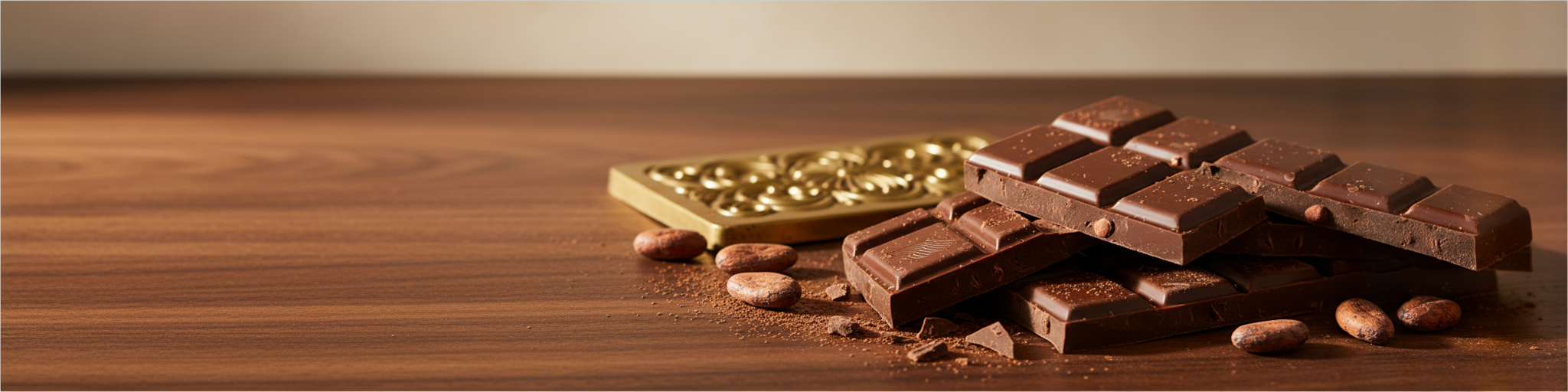
From its 1875 Swiss invention through today’s oat-milk truffles and AI-curated online bars, milk chocolate has evolved into a global canvas of science, craft and culture, and this article hands readers the keys to navigate every facet: you’ll learn how Daniel Peter’s condensed-milk breakthrough still shapes modern formulas of cocoa, dairy, sugar and emulsifiers; how terroir-savvy bean selection, precise roasting, conching and tempering create that silken melt; how to taste like a pro, pair with fruit or pretzels, cook savory moles, and store bars at 65 °F to outsmart bloom; how flavanols and mood-boosting epicatechin justify mindful portions; how to decode labels, avoid PGPR-laden imposters and leverage Fairtrade or bean-to-bar sourcing for farmer equity; and how vegan oat alternatives, caramel-crunch inclusions and data-driven e-commerce subscriptions are rewriting the future of creamy chocolate—arming you with the knowledge to choose, use and savor every square responsibly and deliciously.
A Sweet Legacy: The History of Milk Chocolate
In 1875, Swiss candlemaker-turned-chocolatier Daniel Peter conquered spoilage by blending Nestlé’s condensed milk with cocoa, launching “Gala Peter” and turning a bitter drink into the world’s first stable, creamy milk chocolate.
Origins and the invention of milk chocolate
Daniel Peter, born in 1836 in Vevey, Switzerland, transformed chocolate history when he invented milk chocolate in 1875 [1]. As a candlemaker by trade, Peter faced career uncertainty when oil lamps gained popularity in the 1860s, forcing him to explore new opportunities [1]. His marriage to Fanny, daughter of Swiss chocolatier François-Louis Cailler, sparked his interest in chocolate production [1]. Peter's breakthrough didn't come easily.
For years, he struggled with a fundamental challenge: milk's high water content caused chocolate to turn rancid [1]. The solution came through his neighbor and eventual business partner, Henri Nestlé, who had developed condensed milk for infant formula [1]. Using Nestlé's sweetened condensed milk, Peter finally created a stable milk chocolate product that wouldn't spoil [3]. In 1887, Peter finalized his formula for what he named "Gala Peter" (from the Greek word for milk), creating the first commercially successful milk chocolate [2].
Before this innovation, chocolate was primarily consumed as a bitter beverage [3]. The new creation quickly gained recognition, winning a silver medal at the 1878 Universal Exposition in Paris [2]. By 1879, Peter and Nestlé formalized their partnership, establishing what would eventually become the Nestlé company [1]. This collaboration revolutionized chocolate consumption globally, transforming it from a specialized bitter drink into the sweet, creamy confection enjoyed worldwide today [3].
Milestones in global adoption
Following Peter's invention, milk chocolate rapidly expanded beyond Switzerland. The introduction of the conching process in 1879 created smoother textured chocolate, completing the foundational techniques for modern milk chocolate production [4]. British adoption accelerated in 1905 when manufacturers launched milk chocolate bars featuring higher milk proportions than previous formulations [5].
This new approach proved so successful that by 1914, milk chocolate became Britain's bestselling confection [5], and by 1936 captured 60% of the UK milk chocolate market [5]. Perhaps most significantly, milk chocolate transitioned from luxury item to everyday treat during the interwar period, with estimates that by the mid-1930s, 90% of the British population could afford chocolate [5]. Global production expanded through strategic manufacturing: factories were established in Tasmania, Australia in 1921 [5], production began in Bombay in 1956 [5], and Australian confectionery operations expanded through major acquisitions in 1967 [5].
American adoption was solidified through various licensing arrangements [6], helping establish milk chocolate's dominance in the world's largest confectionery market.
What Makes Milk Chocolate Creamy: Ingredients and Chemistry
Milk chocolate’s signature creaminess is engineered from precise ratios—about 45-50 % sugar to tame bitter cocoa, 3.5-20 % milk fat for silkiness, and a dash of lecithin that homogenizes the mix into that flawless, melt-in-your-mouth flow.
Core components: cocoa, milk, sugar, and fats
Milk chocolate derives its character from four essential ingredients: cocoa, milk, sugar, and fats. Cocoa provides the chocolate foundation, with milk chocolate containing anywhere from 10% to 70% cacao content in the US [7]. Sugar constitutes the largest portion by weight—typically 45-50% [7]—counteracting cocoa's natural bitterness while enhancing palatability. Milk components, added primarily as powder in European traditions or through distinctive processes like chocolate crumb in British varieties, create milk chocolate's signature creamy texture and mellower flavor profile [7].
In most European countries, milk chocolate must contain minimum 3. 5% milk fat and approximately 14% total milk content [9], though traditional British formulations go higher with 20% milk (5% being milk fat) [9]. Fats—primarily cocoa butter supplemented by milk fat—give chocolate its distinctive melt-in-mouth property [8]. These proportions are strictly regulated: EU legislation mandates 35% minimum dry cocoa solids [7], while China requires 25% cocoa butter content in domestic production [7].
Each component plays a critical role in the final product's texture, flavor stability and mouthfeel. At andSons Chocolatiers, we carefully balance these ratios to create distinctive flavor profiles that honor both our European heritage and California innovation.
Role of emulsifiers and flavor enhancers
Emulsifiers serve as critical technical components in milk chocolate production, creating smooth consistency and mouthfeel consumers expect. Lecithin, the most widely used emulsifier in chocolate, comprises a glycerophospholipid mixture of phospholipids, sterols, glycolipids, fatty acids, and triglycerides [11]. Added during the conching process (detailed in the production section), lecithin stabilizes and homogenizes the chocolate mass by working at the interface between cocoa butter and non-fat ingredients [11]. This interaction prevents separation of components while reducing viscosity to improve flow properties during manufacturing [10]. For manufacturers, lecithin delivers the practical benefit of requiring less cocoa butter while maintaining proper consistency—a significant cost consideration in commercial production [10].
Health concerns about lecithin have spurred exploration of plant-based alternatives. Studies show guar gum and arabic gum can partially replace lecithin while maintaining comparable rheological properties in milk chocolate [11]. These hydrocolloids work differently than lecithin: guar gum forms strong gels that increase viscosity through its high water-absorbing capacity, while arabic gum primarily acts as a stabilizer affecting chocolate's microstructure [11]. At optimal concentrations (guar gum at 40%, arabic gum at 25%), these plant exudates interact with hydrophilic and hydrophobic components to form stable networks that enhance textural properties and extend shelf life without compromising sensory qualities [11]. Chocolate samples containing these gum replacers demonstrate higher thermal stability up to 660°C compared to lecithin-only formulations [11].
Flavor enhancers complement emulsifiers in creating milk chocolate's distinctive taste profile. Vanilla and vanillin serve as primary aromatic enhancers that subtly complement chocolate's complex flavor notes without overpowering them [10]. Salt, though often unnoticed on ingredient lists, acts as a critical flavor amplifier that enhances sweetness perception while reducing bitterness [10]. In commercial formulations, these enhancers work alongside emulsifiers to ensure consistent flavor release during consumption [12]. The manufacturing process further develops flavor as heat and aeration allow for evaporation of undesirable volatile compounds while promoting desirable Maillard reactions that transform chocolate's flavor precursors into the rich, complex profile consumers expect [12].
Understanding cocoa percentages and labeling
Cocoa percentage represents the proportion of a chocolate's weight derived from cocoa beans, including both cocoa liquor and cocoa butter [13]. This single number reveals crucial information about a chocolate's flavor profile, sweetness level, and melting properties. While typical milk chocolate hovers around the FDA minimum, premium milk chocolate reaches 38-40% cocoa content, delivering more pronounced chocolate flavor while maintaining creamy sweetness [13]. European regulations are generally stricter—requiring specific cocoa content thresholds for different chocolate designations [15].
A common misconception is that higher percentages automatically indicate superior quality. In reality, cocoa percentage only tells you composition, not bean quality, fermentation excellence, or skillful processing [13]. These factors, along with origin and manufacturing techniques, determine a chocolate's true quality and distinctive character [13]. The percentage affects not just flavor but also functionality—higher cocoa content means less sugar and more fat, changing how chocolate behaves in recipes and impacts health profiles [14].
When examining chocolate labels, understand that inclusions like nuts, fruit, or flavor additives don't affect the stated cocoa percentage, which refers only to the chocolate component [14]. For milk chocolate enthusiasts seeking richer chocolate notes, look for products above 35% cocoa content, which maintain creaminess while offering deeper flavor complexity than conventional options [15].
From Bean to Bar: Contemporary Production Techniques
Premium milk chocolate’s complex flavor begins with ethically sourced Criollo or Trinitario beans from specific terroirs, where direct trade prices that can exceed commodity rates by $500 per tonne fund sustainable farming and meticulous post-harvest practices that preserve fruity, floral, or nutty notes all the way to the finished bar.
Sourcing fine cacao and ethical farms
For high-quality milk chocolate, the journey begins with the careful selection of exceptional cacao beans. Premium milk chocolate makers source directly from farms in specific regions where soil composition, elevation, rainfall patterns, and temperature all shape the bean's character—known as terroir [16]. These environmental factors infuse each bean with distinct flavor profiles ranging from fruity and floral to nutty or earthy notes that persist even when combined with milk solids [16]. Ethical sourcing has become central to fine chocolate production, with artisan chocolatiers establishing direct relationships with farmers who practice sustainable cultivation [16].
Many premium producers pay significantly above commodity market prices—some offering at least $500 per tonne over standard rates, which translates to $12,500 more per container going directly to farmers instead of intermediaries [18]. This approach not only improves farming communities but typically results in higher quality beans through better post-harvest practices like careful fermentation and drying [18]. The finest milk chocolate artisans seek out specific bean varieties—typically Criollo and Trinitario—which produce more nuanced flavor notes than the hardy but bland Forastero beans used in more than 85% of the world's chocolate [18]. While many farms aren't formally certified organic, craft chocolate makers often prioritize beans grown without chemical inputs, recognizing that the best flavors come from pristine ingredients that haven't been mishandled or contaminated [18].
These carefully sourced beans provide the foundation for milk chocolate that delivers complexity and character, allowing artisan chocolatiers to honor both traditional European techniques and innovative approaches [17]. As detailed further in our buying guide, understanding these sourcing practices helps consumers make informed choices about the chocolate they purchase.
Roasting, grinding, and conching advancements
Modern milk chocolate production combines time-honored techniques with technological precision. Roasting transforms raw cacao beans through carefully controlled heat application, developing the complex flavors that define each chocolate's character. Contemporary roasters utilize computerized temperature controls and airflow systems that allow chocolatiers to create precise roasting profiles for different bean origins—lighter roasts preserve fruity notes while deeper roasts emphasize chocolate's inherent richness. The grinding process has evolved from traditional stone wheels to sophisticated refining equipment.
Initial grinding breaks roasted beans into cocoa liquor, while subsequent refining reduces particle size to below 20 microns—imperceptible to the human palate. This refinement is crucial for milk chocolate's signature smoothness, as larger particles would create grittiness against the creamy dairy components. Conching represents perhaps the most transformative advancement in chocolate production. This extended mixing and aerating process, which can last from several hours to multiple days, develops flavor complexity while creating milk chocolate's distinctive texture.
During conching, unwanted volatile acids evaporate while desirable flavor compounds intensify. Temperature control during this phase is critical—too high risks burning delicate milk solids, while insufficient heat prevents proper flavor development. Modern conching equipment allows precise control over temperature, speed, and duration, enabling chocolatiers to fine-tune their signature profiles. The result is milk chocolate with exceptional smoothness and balanced flavor that honors both the cacao's origin and the craftsperson's skill.
Tempering for perfect snap and shine
Tempering transforms milk chocolate from a simple melted liquid into a confection with professional snap and shine. This crucial process stabilizes cocoa butter crystals into their most desirable form (beta crystals), producing chocolate that breaks cleanly, melts smoothly in the mouth, and resists bloom [19]. For milk chocolate specifically, tempering follows precise temperature stages: melt between 113°F-122°F (45°C-50°C), cool to 81°F-82°F (27°C-28°C) to begin crystallization, then reheat slightly to 84°F-86°F (29°C-30°C) for working temperature [19].
The seeding method works best for home chocolatiers—melt approximately 3/4 of your chocolate, then gradually incorporate the remaining unmelted portion while monitoring temperature continuously with a thermometer [20]. This approach introduces stable crystals from the unmelted chocolate into the melted portion, creating a template for proper crystallization throughout [20]. Alternative methods include the bain-marie technique for beginners and tabling (working melted chocolate on marble) for professionals [20].
Properly tempered milk chocolate releases easily from molds, maintains its glossy appearance for weeks, and breaks with a satisfying snap rather than crumbling [19]. The most common tempering failures result from inaccurate temperature control, water contamination (even a single drop causes seizing), or rushing the cooling phase [19]. Temperature variations of just a few degrees can produce dramatically different results, which explains why successful tempering requires patience, precision, and practice [19].
Quality control and shelf‑life considerations
Quality control in milk chocolate production integrates physical, sensory, microbiological, and shelf-life testing to maintain consistent excellence. Artisan chocolatiers monitor products for contaminants including heavy metals like cadmium using atomic absorption spectroscopy and implement rigorous allergen management protocols [21]. Allergen control requires specialized cleaning processes, supplier declarations, and comprehensive testing—particularly for milk proteins which represent a critical safety concern in chocolate manufacturing [21]. Temperature fluctuation poses the greatest threat to milk chocolate shelf life. When stored above 75°F (24°C), chocolate develops fat bloom—a whitish discoloration caused by cocoa butter migration and recrystallization [22]. Moisture content significantly impacts stability; higher moisture correlates with faster peroxide formation and reduced lag phase in oxidation studies [23]. Light exposure, particularly UV rays, degrades aromatic compounds, creating off-flavors that diminish chocolate's sensory appeal [22].
Proper storage techniques, as discussed in our tasting section, are essential for preserving these carefully crafted flavor profiles. Modern packaging employs multi-layer barrier films incorporating aluminum foil and plastic combinations to minimize oxygen infiltration and moisture absorption [22]. Advanced manufacturers implement nitrogen flushing—replacing package air with nitrogen gas—creating an inert atmosphere that delays oxidation and extends shelf life by several months while maintaining flavor integrity [22]. This technology has proven especially valuable for premium milk chocolate products with higher cocoa butter content. Oxidation represents milk chocolate's primary chemical degradation pathway. During storage, unsaturated fats react with oxygen, creating hydroperoxides that lead to rancidity and off-flavors [22]. Accelerated shelf-life testing demonstrates that milk chocolate typically follows first-order kinetic oxidation reactions, with reaction rates highly temperature-dependent [23].
Traditional formulations with higher saturated fat content show significantly greater oxidative stability—testing reveals shelf-life estimates of 8. 6 months for traditional formulations versus 6. 8 months for alternatives using oils higher in unsaturated fats [23]. This explains why master chocolatiers carefully balance fat composition to optimize both mouthfeel and longevity. Quality assurance relies heavily on sensory evaluation by calibrated panelists who assess everything from flavor profiles to detecting defects [21]. These experts undergo rigorous training to identify basic flavors, detect imperfections, and ensure consistency across batches—skills similar to those employed in professional tasting methodology [21].
Savoring Milk Chocolate: Tasting, Pairing, and Culinary Applications
Master the art of milk chocolate tasting—neutralize your environment, assess the copper-brown gloss and gentle snap, warm and inhale for cream-and-caramel aromas, let it melt slowly on your palate to map the evolving flavor journey, and pair its creamy sweetness with fruits or contrasting companions.
Professional tasting methodology
Professional tasting of milk chocolate follows a methodical approach refined through generations of chocolatier expertise. Begin by creating a neutral environment free from strong smells, bright lights, or noise that could interfere with sensory perception [24]. Avoid consuming coffee, cigarettes, or other strong flavors at least an hour before tasting, and conduct blind tastings to prevent brand bias by coding samples and randomizing their order [25]. The visual assessment reveals quality indicators: properly tempered milk chocolate should display an even color (typically copper-brown), attractive gloss, and fine grain at broken edges [24].
When testing texture, listen for the characteristic snap—milk chocolate produces a gentler snap than dark varieties due to its higher milk fat content [24]. Before tasting, warm the chocolate by rubbing with your thumb to release aromas, then cup in your hands and inhale deeply [24]. Milk chocolates typically exhibit aromas of cream, caramel, or malt that distinguish them from darker varieties [24]. For optimal flavor detection, place the chocolate against the roof of your mouth rather than immediately chewing it, allowing it to melt while noting how flavors develop and change [24].
Professional evaluators analyze whether flavor builds gradually or appears quickly, how it evolves from beginning to middle to end, and its finish duration [24]. For comprehensive milk chocolate assessment, experts recommend using eight specific sensory descriptors covering attributes like sweetness, dairy notes, cocoa intensity, caramel elements, and texture characteristics like meltability and creaminess [26]. Throughout the process, concentrate fully on each sensory aspect—many professionals close their eyes to enhance focus and breathe smoothly to optimize aroma perception [25].
Flavor pairings with fruits, nuts, and spices
Milk chocolate's creamy sweetness creates versatile pairing opportunities with complementary and contrasting flavors.
For fruit pairings, milk chocolate works particularly well with raspberries, strawberries, bananas, and grapes in both fresh and dried forms, allowing the chocolate's dairy notes to soften the fruits' acidity [27].
The nutty dimension unfolds best with peanuts, almonds, walnuts, hazelnuts, and pecans—each bringing distinct textural contrasts that complement milk chocolate's smooth mouthfeel [27].
Incorporating milk chocolate in desserts and savory dishes
Milk chocolate's creamy texture and mellow sweetness make it incredibly versatile in both sweet and savory applications. In desserts, milk chocolate excels when smooth melting properties are crucial—perfect for fondues, sauces, and as coatings for confections and fruits [28]. Its approachable flavor profile blends seamlessly with nuts, caramel, and various fruits, making it reliable for crowd-pleasing treats like brownies and mousses [28].
For an unexpected dessert that balances indulgence with nutrition, combine milk chocolate with avocado to create a silky mousse that delivers rich texture with less guilt [30]. The culinary potential of milk chocolate extends surprisingly into savory territory where it adds complexity rather than sweetness. In salads, incorporate milk chocolate into vinaigrettes or as a glaze for nuts, creating intriguing contrast against bitter greens and robust cheeses [28].
More ambitious cooks can explore milk chocolate in hearty main dishes—from Caribbean pot roast and burgundy beef stew to innovative tacos and mole-inspired casseroles [29]. The sweetness of milk chocolate particularly shines when balancing salt-forward ingredients like pretzels or even bacon, creating compelling flavor contrasts that transform ordinary dishes [28]. When introducing milk chocolate to savory cooking, start with small amounts as a background note that adds depth without overwhelming the dish's fundamental character—its role is to enhance rather than dominate [29].
Storage tips to preserve flavor
Storing milk chocolate properly preserves its flavor complexity and creamy texture. Keep chocolate at a consistent temperature between 60-68°F—never exceeding 70°F which triggers melting and texture degradation [31]. Refrigeration causes sugar bloom (whitish film) that affects taste and mouthfeel, so only refrigerate when ambient temperatures consistently exceed 70°F [33]. When refrigerating becomes necessary, wrap chocolate in aluminum foil, place in an airtight container with a silica gel pack to control humidity, then allow it to warm gradually to room temperature before unwrapping to prevent condensation [33].
Maintain humidity below 50% to prevent moisture absorption that leads to sugar crystallization [33]. Light exposure accelerates oxidation, so store in opaque containers or aluminum foil wrapping [33]. Milk chocolate's higher dairy content makes it more sensitive than dark varieties, limiting its shelf life to 6-12 months when properly stored, compared to dark chocolate's two-year potential [32]. Airtight storage is crucial as chocolate readily absorbs surrounding odors that compromise its delicate flavor profile [33].
Watch for warning signs of poorly stored chocolate including off smells, gritty texture, or unusual discoloration beyond the harmless white bloom [33]. Even bloom-affected chocolate remains safe to eat and works perfectly in baking applications where texture changes become unnoticeable once melted [33].
Health Perspective: Benefits and Considerations of Milk Chocolate
Milk chocolate’s calcium, cocoa flavanols and epicatechin deliver measurable heart- and brain-boosting antioxidant power—now being amplified to dark-chocolate levels with taste-neutral peanut-skin fortification.
Nutrient profile and antioxidant content
Milk chocolate contains a notable array of nutrients despite its reputation as primarily a sweet treat. While providing calcium from its milk content, it also delivers small amounts of iron, potassium, zinc, vitamin A, and vitamin K [35]. As explored in our cocoa percentage discussion, milk chocolate's lower cocoa content naturally results in fewer antioxidants than dark varieties. Nevertheless, milk chocolate still delivers cocoa flavanols – plant-based antioxidant compounds that protect your body from cell damage linked to various health conditions [35].
These flavonoids work as powerful antioxidants, neutralizing harmful free radicals and supporting your body's natural defenses [34]. The primary flavanols in cocoa include epicatechin and catechin, with procyanidins providing the majority of antioxidant activity [34]. A serving of milk chocolate contains approximately one-fifth the flavanol content of an equivalent amount of dark chocolate [34]. While a typical 100g portion of milk chocolate contains fewer antioxidants than dark varieties, researchers are exploring methods to enhance its antioxidant properties.
One promising approach involves fortifying milk chocolate with peanut skin extract, which contains phenolic compounds including procyanidins that reduce inflammation and act as natural antioxidants [36]. This technique can potentially increase milk chocolate's antioxidant levels to match those of dark chocolate without significantly affecting taste [36].
Potential cardiovascular and mood effects
Milk chocolate's cardiovascular benefits come from epicatechin, a compound that enhances blood vessel function and circulation. This powerful flavanol crosses into the brain, increasing blood flow and potentially supporting cognitive health as we age [37]. While milk chocolate contains less epicatechin than dark varieties, regular enjoyment still supports healthy blood pressure—studies show average reductions of 4. 5 mm Hg systolic and 2.
5 mm Hg diastolic across various cocoa products [34]. These benefits build over time, as epicatechin helps blood vessels relax and function more efficiently [37][38]. Regarding mood, milk chocolate consumption triggers endorphin release and activates reward pathways in the brain [34]. The unique sensory experience creates immediate mood elevation, with studies showing significantly improved energetic arousal and hedonic tone compared to placebo [34].
Interestingly, this effect appears independent of cocoa content - subjects experiencing chocolate cravings report milk chocolate more satisfying than cocoa powder despite its lower flavanol content, suggesting the combination of sweetness, fat, and texture drives psychological benefits rather than bioactive compounds alone [34]. Brain imaging reveals that chocolate consumption activates the orbitofrontal cortex and pregenual cingulate cortex, areas involved in processing pleasure and reward [37].
Moderation, sugar balance, and dietary guidelines
Enjoying milk chocolate mindfully means understanding its place in a balanced diet. While milk chocolate contains significantly more sugar than dark varieties—roughly twice the amount ounce for ounce—and approximately 600 calories per standard bar [41], it can still be incorporated into healthy eating patterns when consumed in moderation. The higher sugar and lower cocoa content in milk chocolate (typically 10-50% cacao versus dark chocolate's 50-90%) [40] means you'll get fewer beneficial flavanols per serving. Nutrition experts recommend making chocolate an occasional treat rather than a daily habit, as both milk and dark varieties contain more sugar and fat than is ideal for heart health [40].
The World Health Organization and other health agencies suggest limiting added sugar intake, which includes the substantial amount found in milk chocolate. Watch for hidden sugars in your overall diet when enjoying milk chocolate, as excessive consumption may contribute to weight gain, tooth decay, and other health concerns [39]. For those who enjoy milk chocolate but want to maximize health benefits, consider gradually transitioning to varieties with higher cocoa percentages, which offer more flavanols while reducing sugar content [39]. At andSons Chocolatiers, we craft milk chocolate bonbons that honor traditional European techniques while embracing mindful indulgence—proving that exceptional quality and conscious consumption can beautifully coexist. As nutrition scientist Alice Lichtenstein advises, "If you enjoy chocolate, the important thing to do is choose the type you enjoy the most and eat it in moderation because you like it, not because you think it is good for you" [41].
Smart Buying: Choosing Quality Milk Chocolate
Decode your next milk-chocolate bar like a pro: scan the label for cocoa mass near the top, reject any listing vegetable fats, E-numbers or PGPR, and favor sub-10-ingredient, Fairtrade-certified bars that name their milk source.
Reading labels: cocoa content, dairy source, and additives
The art of selecting exceptional milk chocolate begins with understanding how to decode labels. Ingredient order tells a revealing story—the first ingredient comprises the largest percentage of your bar, with each subsequent ingredient appearing in descending quantity [42]. In quality milk chocolate, cocoa mass (sometimes labeled as cocoa solids) should feature prominently near the beginning, though sugar often leads the list in milk chocolate formulations [43]. As detailed in our ingredients section, cocoa percentages and milk content requirements vary by region and quality level.
What truly distinguishes craft chocolate from mass production becomes evident in the simplicity of the ingredient list. Superior milk chocolate typically contains no more than 10 carefully selected ingredients [43], while industrial versions reveal themselves through problematic additives: vegetable fats replacing cocoa butter, E numbers, artificial flavorings, PGPR (polyglycerol polyricinoleate), synthetic vanillin instead of real vanilla, and unnecessary emulsifiers [42]. These shortcuts signal generic production methods that prioritize shelf stability over flavor development [42]. Parentheses in ingredient lists deserve special scrutiny—they can obscure less desirable components or muddy the clarity of proportions [43].
For dairy sources, seek specific information about milk content and origin. Traditional British formulations, for instance, use generous milk proportions that create distinctively creamy profiles [42]. Transparent allergen disclosure, including detailed dairy sourcing and gluten-free status, reflects a manufacturer's commitment to both quality and consumer safety [42].
Sustainability certifications and fair‑trade practices
Navigating chocolate certifications helps identify products that benefit farmers and protect ecosystems. Fairtrade International offers the strongest economic protections with a minimum price ($2. 68/kilo Ghana, $2. 80/kilo Côte d'Ivoire) and premiums ($240-$300/tonne for organic cocoa) [44]. In contrast, Rainforest Alliance provides no minimum price and only a $70/tonne 'Sustainability Differential,' yet dominates the market with 51% of global cocoa certification compared to Fairtrade's 5% [44].
This disparity exists because Rainforest Alliance imposes fewer financial obligations on chocolate makers. Many large manufacturers implement their own sustainability programs that lack meaningful transparency and accountability—offering general statements rather than specific standards [44]. These in-house schemes typically avoid addressing the core issue of fair pricing, preferring to focus on farmer yield improvement or diversification [44]. Beyond certification, Value-Added-at-Source (VAS) chocolate represents a more transformative approach, with production occurring in cocoa-growing countries to retain more wealth locally [44]. For consumers seeking ethically sourced options, Fair Trade Certified chocolate is increasingly available at retailers like Whole Foods, Kroger, and Aldi [45].
When shopping, look for transparent cocoa sourcing information and country of origin, as boutique "Bean to Bar" companies often provide detailed information about their supply chains [46]. Some companies actively avoid complicity with problematic suppliers—Slave Free Chocolate maintains a list of brands committed to ethical sourcing beyond certification [46]. The certification landscape continues evolving, with EU regulations requiring all cocoa entering the market after December 2025 to be deforestation-free and traceable to specific plots, potentially driving industry-wide improvements [44].
Seasonal and limited‑edition releases
Seasonal and limited-edition milk chocolate releases transform ordinary moments into memorable experiences by capturing the essence of specific times of year. Premium chocolatiers understand that these collections represent more than flavor variations—they embody tradition, celebration, and the art of gifting [47]. From yule log-inspired confections to innovative interpretations of classic holiday flavors, these limited releases showcase a chocolatier's creativity and technical mastery [47]. The most compelling seasonal offerings emerge from artisan chocolatiers who craft small-batch releases featuring distinctive flavor profiles like peppermint bark, spiced caramel, or autumn-inspired combinations [49].
At andSons Chocolatiers, this philosophy guides our approach to seasonal collections, where European chocolate-making traditions meet Los Angeles creativity. Limited editions typically feature elevated packaging designed to enhance the gifting experience, with visual elements that reflect both the season and the craftsmanship within [47]. The emotional resonance of seasonal chocolates proves particularly powerful—they represent not just confections but vessels for memory and tradition.
As one industry leader eloquently stated: "We're not just gifting chocolate—we're gifting emotion, craftsmanship and culture" [48]. Whether selected for holiday entertaining, corporate gifting, or personal indulgence, these festive chocolates transform any occasion into something extraordinary [49].
Future Flavors: Emerging Trends in Milk Chocolate
Plant-based milk chocolate is racing toward a $1.8 billion market by 2030 as oat-powered vegan Reese’s, KitKat V and Cadbury Plant Bar finally deliver the creamy texture 78% of dairy-free Canadians missed—slashing environmental impact by 85% with precision-fermented proteins.
Plant‑based milk alternatives and vegan options
The plant-based chocolate market is experiencing unprecedented growth, projected to reach $1. 8 billion by 2030 with a 12. 4% CAGR [51]. This surge reflects deeper consumer shifts beyond dietary preferences. Millennials and Gen Z, representing 62% of vegan chocolate consumption, drive demand through concerns for health, sustainability, and animal welfare [52]. The evolution from niche to mainstream is evident in milk chocolate alternatives, which are growing faster than any other segment at 13. 5% CAGR [52].
Manufacturers have transformed vegan milk chocolate through innovative dairy alternatives. Oat milk leads current formulations, delivering creamier texture and neutral flavor that complements cocoa notes [50]. Almond, coconut, and rice milk alternatives follow, each offering distinct mouthfeel characteristics that appeal to different consumer preferences [52]. These plant milks are increasingly complemented by advanced ingredients like specialized plant-based emulsifiers, which create the smooth texture conventional milk chocolate consumers expect [50]. Major chocolate manufacturers have responded decisively to this trend. Hershey launched its first nationally-distributed vegan chocolates in 2023, using oats instead of milk in plant-based Reese's Peanut Butter Cups [52]. Nestlé introduced KitKat V, while Mondelez rolled out the Cadbury Plant Bar specifically for consumers seeking vegan alternatives to classic products [51].
Most recently, Lindt & Sprüngli entered the market with LINDOR Vegan Truffles crafted with oat-based chocolate, responding to research showing 78% of Canadian vegans missed milk chocolate's creamy texture [52]. The challenge of creating authentic milk chocolate experiences without dairy has accelerated technological innovation. Precision fermentation allows manufacturers to replicate milk proteins without animal ingredients, improving texture and mouthfeel while reducing environmental impact by up to 85% compared to conventional production [52]. Meanwhile, AI-enabled flavor optimization systems help companies develop flavor profiles that precisely match traditional milk chocolate taste markers [50]. These advancements address the primary barrier to wider adoption—many consumers remain reluctant to sacrifice the creamy indulgence of traditional milk chocolate despite ethical or health motivations [52].
Innovative textures: aerated, caramel‑infused, and functional blends
Texture innovation has emerged as a powerful trend driving milk chocolate's evolution beyond flavor alone. Manufacturers are creating multi-sensory experiences through aerated formulations that transform dense chocolate into light, bubble-filled treats that dissolve differently on the palate [53]. Premium brands increasingly incorporate contrasting textural elements like crispy pieces, crunchy inclusions, and popping confections that create surprising mouthfeel transitions [53]. Caramel infusions represent the most popular textural modification, with caramel remaining Australia's top chocolate flavor addition, exemplified by products like Coles Milk Chocolate Clusters that combine milk chocolate with salted pretzel and caramel pieces [53].
The sensory experience extends beyond taste to sound and feel—Reese's Outrageous! Pieces combines caramel, crunchy Reese's Pieces, and creamy peanut butter under milk chocolate, with market research showing 59% of consumers would purchase this multi-texture product [55]. Functional blends represent the newest frontier, with manufacturers incorporating health-enhancing ingredients like adaptogenic mushrooms for mental wellbeing and prebiotics for gut health without compromising indulgent mouthfeel [53]. This transformation addresses changing consumer expectations, as younger shoppers particularly seek products that deliver experiences rather than mere consumption [55].
Manufacturers like Hershey have reported significant growth through textural innovation, with brand manager Eric Bowers noting: "Consumers are looking for more complex eats, slowing down the eating experience, and new innovations from the brands they love" [55]. Even established brands are exploring texture's potential—Nestlé launched Yorkie Biscuit & Brownie combining brownie-flavored milk chocolate chunks with crunchy biscuit pieces [54], while Malley's Chocolates created freeze-dried marshmallow crunch confections using technology to create a novel light, crunchy format [54].
Digital commerce and personalized chocolate experiences
E-commerce has become the fastest-growing distribution channel for milk chocolate, expanding at an impressive 7. 57% CAGR through 2030 [56]. This digital transformation extends beyond mere convenience, fundamentally reshaping how consumers discover and purchase chocolate products. Major manufacturers are making strategic investments in digital capabilities, exemplified by Mars allocating $42 million in 2024 to establish a Chicago hub focused specifically on direct-to-consumer operations and digital infrastructure [56].
Online platforms enable personalization at scale through AI-powered recommendation engines that analyze purchase history, flavor preferences, and browsing behavior to suggest products aligned with individual tastes [58]. This shift toward personalization creates deeper brand connections while collecting valuable consumer data for product development. The pandemic accelerated adoption of digital shopping experiences, prompting chocolate makers to enhance their online presence with virtual tasting sessions, subscription services, and interactive packaging featuring QR codes linking to origin stories or pairing suggestions [58]. Leading brands now implement digital technology throughout the customer journey, from online flavor preference quizzes to post-purchase engagement, creating what industry analysts call a "chocolate ecosystem" rather than simply selling products [57].
Forward-thinking companies integrate marketing analytics with supply chain visibility, allowing real-time production adjustments based on online consumer behavior and emerging flavor trends [56]. The convergence of e-commerce platforms, mobile technologies, and data analytics promises even more personalized chocolate experiences, with some manufacturers exploring custom-flavor algorithms and limited-batch releases promoted exclusively through digital channels [58].
- Daniel Peter invented stable milk chocolate in 1875 using Nestlé's condensed milk, revolutionizing chocolate from bitter drink to sweet confection.
- Quality milk chocolate contains 10-70% cocoa, 45-50% sugar, and 3.5-20% milk content, with emulsifiers like lecithin creating smooth texture.
- Proper tempering requires precise temperature control: melt at 113-122°F, cool to 81-82°F, then reheat to 84-86°F for professional results.
- Milk chocolate provides cardiovascular benefits through epicatechin flavanols, though it contains only one-fifth the antioxidants of dark chocolate.
- Plant-based milk chocolate alternatives using oat milk are growing 13.5% annually, with major brands launching vegan versions of classic products.
- Store milk chocolate at 60-68°F in airtight containers away from light, avoiding refrigeration to prevent sugar bloom and preserve 6-12 month shelf life.
- Choose quality milk chocolate by checking ingredient order, avoiding vegetable fats and artificial additives, and looking for transparent cocoa sourcing information.
- https://candyhalloffame.org/inductee/daniel-peter/
- https://whatscookingamerica.net/history/milkchocolate.htm
- https://www.whitakerschocolates.com/blogs/blog/who-invented-milk-chocolate?srsltid=AfmBOor4RT-IM3nSQrhQIwldHs_eIAuhh4G4HYKkwuEX3TdiXhDfT2nu
- https://www.chocolate.co.uk/blogs/news/history-of-milk-chocolate?srsltid=AfmBOooA5mtXum76iwKFIEjuz7zbVvDambBqrpIMlFBO179w3DLvgF-m
- https://en.wikipedia.org/wiki/History_of_Cadbury
- https://www.thebritishshoppe.com/history-of-cadbury/
- https://en.wikipedia.org/wiki/Milk_chocolate
- https://www.coracaoconfections.com/blogs/news/chocolate-what-is-it-made-of?srsltid=AfmBOopHrgxjHnzRrIyPyb1TXrwwxnCxfMZ720flIdg5oJY6jKR61Csx
- https://www.sciencedirect.com/topics/agricultural-and-biological-sciences/milk-chocolate
- https://www.coracaoconfections.com/blogs/news/chocolate-what-is-it-made-of?srsltid=AfmBOoosK9njB6ZRwbAGsG_yCOGuyCLLyio2ixhqYFOkvRS5O8DfhHRJ
- https://pmc.ncbi.nlm.nih.gov/articles/PMC11167183/
- https://www.sciencedirect.com/topics/agricultural-and-biological-sciences/chocolate-milk
- https://wildwestchocolate.com/blogs/news/50-75-80-what-does-cocoa-percentage-mean
- https://theochocolate.com/blogs/default-blog/understanding-cocoa-percentages?srsltid=AfmBOoqb7G6y3o_gHbx25NxOSBUCUuhxrqfS56BnvUy_xFzPLjOnzVHd
- https://www.valrhona.com/en/l-ecole-valrhona/discover-l-ecole-valrhona/chocolate-terminology/milk-chocolate
- https://amanochocolate.com/from-bean-to-bar-the-journey-of-crafting-artisan-chocolate/
- https://www.zotterusa.com/labooko-discover-the-artistry-of-premium-organic-bean-to-bar-chocolate/?srsltid=AfmBOornj5MM_RT1xJxmnbThYHF0Vxmu577bcWMVaNrltN7EWpGiLBrZ
- https://www.williescacao.com/world-cacao/my-philosophy-of-chocolate-bean-to-bar-chocolate/
- https://valrhona-collection.us/blogs/news/chocolate-tempering-why-it-matters-and-how-to-master-it?srsltid=AfmBOoq1XY0YZXNPdOnTdC8PSFcR-rAzeOVaHL2b-TJO9n-X_gncRong
- https://www.valrhona.com/en/l-ecole-valrhona/discover-l-ecole-valrhona/chocolate-terminology/tempering-chocolate
- https://lukerchocolate.com/en/knowledge-base/quality-testing-in-chocolate-manufacturing
- https://cocoanusa.com/articles/chocolate-compound-stability-for-shelf-life/
- https://pmc.ncbi.nlm.nih.gov/articles/PMC9368434/
- https://www.ghirardelli.com/how-to-taste-chocolate?srsltid=AfmBOoq4rYpTsD3nWMqZTxs7bjeXraT1RbNvasiILdP7tOphXkdrOB-w
- https://www.puratos.us/en/blog/how-to-describe-chocolate-like-a-professional
- https://www.barry-callebaut.com/en-US/trends-insights/lets-talk-taste
- https://moonstruckchocolate.com/tasting-pairing
- https://www.acacaoaffair.com/blogs/atlanta-chocolatier-blog/1294184-understanding-the-different-types-of-chocolate-and-their-uses
- https://www.tasteofhome.com/collection/savory-chocolate-recipes/
- https://www.cadburydessertscorner.com/articles/innovative-chocolate-pairings-enhance-your-palate-with-surprising-flavors
- https://valrhona-collection.us/blogs/news/how-to-store-chocolate?srsltid=AfmBOoqphrFUuewMt9iYqLTQ3ofUrXQVQ0B69x6mmlpzUIyZDl868tFk
- https://totallychocolate.com/blog/how-to-store-chocolate-properly-and-extend-its-shelf-life/?srsltid=AfmBOopyou5aWyei2SgBz6sp0iby3ilhF9RfCNdlvf9w_5V3aEUhv2qV
- https://www.wisemanhousechocolates.com/blog/how-should-gourmet-chocolate-be-stored
- https://pmc.ncbi.nlm.nih.gov/articles/PMC4696435/
- https://www.pushdoctor.co.uk/nutrition-advice/is-milk-chocolate-good-for-you
- https://tellus.ars.usda.gov/stories/articles/healthier-milk-chocolate-yes-please
- https://pmc.ncbi.nlm.nih.gov/articles/PMC3575938/
- https://www.ahajournals.org/doi/10.1161/circulationaha.108.827022
- https://www.medicalnewstoday.com/articles/270272
- https://www.stmaryshealthcaresystem.org/blog-articles/milk-chocolate-vs-dark-chocolate-one-healthier-other
- https://www.heart.org/en/news/2019/02/12/are-there-health-benefits-from-chocolate
- https://cocoarunners.com/chocopedia/how-to-read-a-chocolate-bar-label/
- https://www.thechocolatejournalist.com/blog/how-to-properly-read-a-chocolate-ingredients-list
- https://www.ethicalconsumer.org/food-drink/shopping-guide/ethical-chocolate
- https://www.fairtradecertified.org/blog/fair-trade-chocolate/
- https://www.slavefreechocolate.org/ethical-chocolate-companies
- https://www.prnewswire.com/news-releases/godiva-redefines-holiday-luxury-with-a-bold-new-era-of-chocolate-artistry-302619649.html
- https://www.bakemag.com/articles/20965-godiva-introduces-holiday-chocolate-collection
- https://secondnaturebrands.com/collections/sanders-candy-seasonal-chocolate?srsltid=AfmBOoq4fBmudN6EwdUiNlAGqo1zpWYugiIqISCnMe3zkv6SiaO_t6iq
- https://lukerchocolate.com/en/knowledge-base/the-future-of-plant-based-chocolate-trends-shaping-the-industry
- https://www.kbvresearch.com/vegan-chocolate-market/
- https://www.congruencemarketinsights.com/report/vegan-chocolate-market
- https://www.innovamarketinsights.com/trends/chocolate-trends-in-australia/
- https://www.gourmetpro.co/blog/top-global-chocolate-trends
- https://www.mintel.com/insights/food-and-drink/the-next-big-thing-in-chocolate-texture/
- https://www.mordorintelligence.com/industry-reports/milk-chocolate-market
- https://www.marketresearchfuture.com/reports/milk-chocolate-market-24785
- https://www.linkedin.com/pulse/italy-milk-chocolate-market-digital-acceleration-zcwbf/