


How Is Milk Chocolate Made? From Bean to Bar
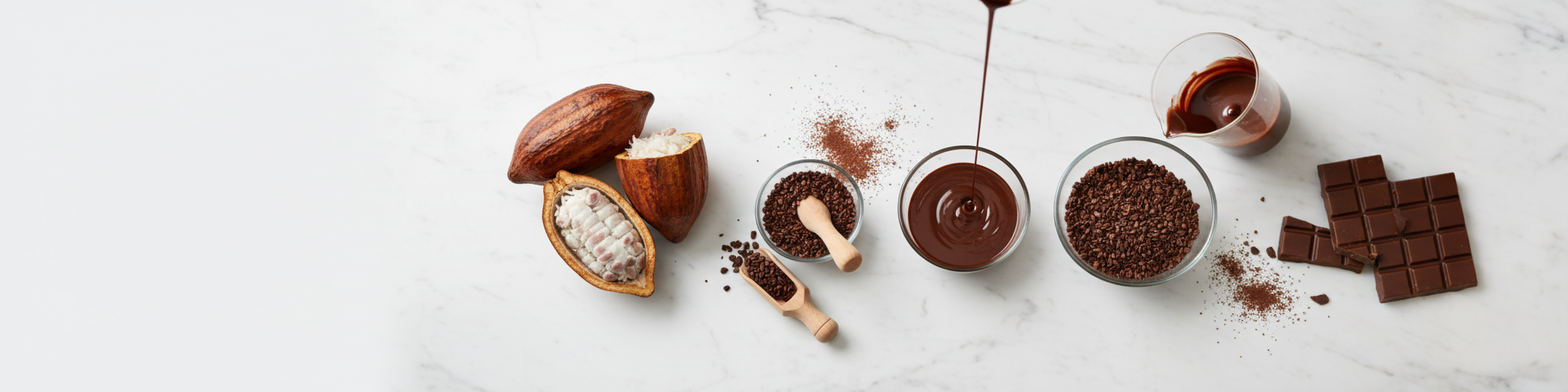
From Cacao Bean to Milk Chocolate: The Complete Journey
Harvesting, Fermentation, and Flavor Development
Chocolate's journey begins in tropical rainforests within 20 degrees of the equator, where cacao trees produce football‑shaped pods that grow directly from their trunks and branches [1]. Farmers harvest these pods using knives or machetes when ripe, then crack them open to reveal 30‑45 oval beans covered in white pulp [2]. This fresh harvest marks the first crucial step toward chocolate development.
Fermentation transforms raw beans into the foundation for chocolate's complex flavor. Freshly harvested beans and surrounding pulp are placed together—either in piles covered with banana leaves (common in West Africa) or in wooden boxes holding up to 2,000 kg (typical in the Americas and parts of Asia Pacific) [2]. During the 5‑7 day process, naturally occurring microorganisms work in sequence: first, anaerobic yeasts convert pulp sugars to alcohol in highly acidic conditions; then acetic acid bacteria metabolize this alcohol, generating heat up to 50 °C; finally, lactic acid bacteria consume remaining sugars and organic acids [2]. This microbial activity kills the bean embryo through heat and acidity, creating the essential biochemical environment for flavor precursor development [2].
The fermentation method significantly affects chocolate's final taste profile. Unfermented beans produce bitter chocolate with muted cocoa flavors, while properly fermented beans develop complex flavor compounds that later bloom during roasting [2]. The visual transformation is striking—beans change from purple to increasingly brown as their polyphenolic content undergoes chemical changes [2]. Different fermentation approaches create distinct flavor notes: longer fermentations (6‑8 days) develop deeper, more complex profiles preferred in some European markets, while shorter fermentations (2‑3 days) preserve different characteristics [2]. Small‑scale producers often ferment in leaf‑wrapped piles requiring less labor, while larger operations use box systems with beans moved daily to ensure consistent air exposure [2]. After fermentation completes, beans are sun‑dried, sorted, and prepared for export to chocolate makers [1].
Drying and Precision Roasting Techniques
After fermentation, cocoa beans contain approximately 60 % moisture content that must be reduced to around 7 % to ensure microbiological quality and prevent spoilage [5]. Drying stabilizes the biochemical reactions initiated during fermentation while simultaneously facilitating the evaporation of volatile acids like acetic acid that would otherwise contribute excessive sourness [5]. This critical phase involves complex heat and mass transfer phenomena that significantly impact flavor development.
Solar drying utilizes direct sunlight with natural air circulation, taking anywhere from 3 days during dry seasons to 15 days during rainy periods [5]. The slower pace of solar drying allows for gradual oxidation processes that enhance flavor development, with studies showing that solar‑dried beans often develop more complex aromatic profiles [5]. Alternatively, drying under controlled conditions (DUCC) employs heated air to accelerate moisture removal, though excessively high drying rates can cause “crusting” of the seed coat, trapping acids inside and producing overly acidic beans [5].
Research comparing different drying techniques reveals their substantial influence on chocolate's final flavor profile. A study in Ecuador using HS‑SPME‑GC‑MS analysis identified 64 volatile compounds affected by drying method, demonstrating that fine‑flavor cocoa exhibits significant variations in volatile compounds depending on whether oven drying, sun drying, or modified sun drying techniques were applied [5]. The rate of drying proves crucial—too slow invites mold growth while too rapid causes premature hardening of the seed coat, preventing complete acid diffusion and oxygen penetration [4]. Well‑dried beans exhibit uniform brown coloration, proper moisture levels, and enhanced flavor precursor development—creating the foundation for subsequent roasting [4].
Roasting transforms dried beans through controlled heat application, triggering complex chemical reactions that develop chocolate's characteristic flavor [5]. This process serves multiple critical functions: it eliminates potential microbial hazards, reduces remaining moisture, facilitates husk removal, and most importantly, initiates Maillard reactions between amino acids and reducing sugars that create chocolate's distinctive aroma compounds [5]. Precision roasting requires careful temperature control—typically above 100 °C for at least 15 minutes for safety, with specific profiles tailored to each bean variety [5]. Different beans respond optimally to different roasting intensities; some benefit from light roasting that preserves fruity brightness while others require deeper roasting to develop nutty or earthy richness [4].
Modern roasting equipment ranges from modified conventional ovens to specialized drum roasters that achieve more uniform heat distribution [5]. These rotating drum systems allow beans to move continuously during roasting, ensuring even heat exposure and consistent development of flavor compounds [5]. Critically, the cooling phase after roasting demands equal precision, as chemical reactions continue while beans remain hot [5]. Rapid, uniform cooling through specialized cooling trays or fans helps lock in desired flavor profiles and prevent over‑development [5]. This precision‑controlled approach to both roasting and cooling distinguishes premium chocolate by preserving origin‑specific flavor notes while developing the complex, balanced chocolate flavor that defines exceptional milk chocolate [4].
Cracking, Winnowing, and Cocoa Nib Preparation
After roasting, cocoa beans must be broken into smaller pieces and separated from their husks—a critical two‑step process called cracking and winnowing. This stage directly impacts the chocolate's final flavor, texture, and production efficiency [6]. Properly cracked beans produce uniform nibs that grind more consistently in later stages, while thorough winnowing removes the papery husks that would otherwise introduce bitter, tannic flavors into the chocolate [7].
Before cracking begins, roasted beans must cool completely—at least six hours and preferably a full day—to allow moisture to escape [6]. This patience pays dividends during winnowing, as properly cooled beans separate more cleanly. Several cracking methods exist for small‑scale chocolate makers, with the Champion Juicer (used without its bottom screen) and purpose‑built crackers like the Deluxe Cracker offering the most reliable results [6]. Home methods using food processors or coffee grinders generally produce inconsistent results and aren't recommended [6].
The winnowing process separates the valuable nibs from the lightweight husks using airflow. The simplest approach—the blow dryer method—involves using directed air to blow away husks while keeping the heavier nibs in a bowl [6]. More sophisticated equipment like the Aether, Flux, or Sylph winnowers automate this process with greater efficiency [6]. Regardless of method, expect to lose approximately 25 % of the roasted bean weight as husk [6]. This seemingly high loss is unavoidable and necessary—husk particles left in the chocolate act like rough fiber, making it thicker and harder to refine in subsequent steps [7].
Consistent nib size following cracking is crucial for the next stage of chocolate making. Uniform nibs grind more smoothly in the melanger, resulting in consistent texture without gritty surprises [7]. Inconsistent crushing creates unusable dust and oversized fragments, reducing overall yield and chocolate output [7]. The difference between poorly and properly prepared nibs becomes evident during grinding—clean, uniform nibs allow the melanger to work effectively without interference, producing silky‑smooth chocolate [7]. For craft chocolate makers seeking efficiency, dedicated equipment that achieves reliable separation of nibs and husks in a single pass can significantly improve both quality and profitability [7].
Grinding to Chocolate Liquor and Initial Refinement
Once cocoa nibs are prepared, they enter the crucial grinding stage that transforms them into chocolate liquor—a 100 % cocoa paste that flows like a dark waterfall when properly melted, though still retaining its natural bitterness [8]. This transformation occurs as heavy grinding equipment breaks down the cellular structure of the nibs, releasing their fat content (cocoa butter) which naturally comprises about 50‑55 % of the nib. The released cocoa butter envelops the solid particles, creating a smooth, flowing consistency essential for further processing [9].
Initial refinement begins once the manufacturer introduces additional ingredients to the chocolate liquor—typically sugar, extra cocoa butter, and for milk chocolate, milk powder [10]. The primary goal of refinement is precision particle size reduction, with premium chocolates requiring sugar crystals and cocoa solids to measure less than 30 microns—significantly smaller than what the human tongue can detect as texture [8]. Quality control during this stage employs multiple verification methods: micrometers measure the largest particles, grindometers assess overall particle size distribution, and sensory experts evaluate mouthfeel through taste tests [8]. This particle refinement directly impacts the final chocolate's texture, consistency, and flavor development, laying essential groundwork for the subsequent conching process [9]. Without proper refinement, chocolate would retain a gritty, unpleasant texture regardless of later processing steps, making this mechanical transformation as much an art as a science in creating that characteristic milk chocolate smoothness [9].
Milk Integration: Ingredients and Formulations
Milk Powder versus Fresh Milk: Pros and Cons
The choice between milk powder and fresh milk fundamentally shapes chocolate's flavor profile, production efficiency, and regional character. Milk powder exists in two primary forms: roller‑dried (drum‑dried) and spray‑dried, each with distinct functional properties. Roller‑dried milk powder offers superior functionality with approximately 90 % free fat compared to merely 2‑3 % in spray‑dried variants, significantly reducing the need for additional cocoa butter by 2‑3 % [11]. The flake‑like structure of roller‑dried particles, lacking the air vacuoles present in spherical spray‑dried particles, decreases chocolate viscosity and enables easier processing [11].
Alternatively, fresh milk processed through the “crumb method” involves blending milk with sugar, evaporation to form sweetened condensed milk, cocoa mass integration, and vacuum cooking at 80‑95 °C [13]. This process initiates crucial Maillard reactions, generating complex flavor compounds that create characteristic caramel, cooked, and nutty notes [13]. The resulting sensory profiles differ markedly—crumb‑based chocolate delivers richer, more complex caramelized buttery flavors typical in British, American, and South African chocolates, while milk powder chocolate offers fresher, cleaner, purely milky notes prevalent in Continental European varieties [13]. At andSons Chocolatiers, this European tradition guides our selection of premium dairy ingredients to achieve the distinctive smooth texture that defines our Beverly Hills collection.
Processing advantages extend beyond flavor; crumb's naturally low 1‑3 % moisture content prevents chocolate from “seizing” during manufacturing and significantly extends shelf life through reduced water activity and antioxidant protection from cocoa components [13]. Dairy ingredient selection also affects manufacturing parameters—chocolates using roller‑dried milk powder require less energy during conching as they process “wetter” and need lower tempering temperatures due to higher crystallized lactose content [11]. For formulators seeking economy, buttermilk powder presents a cost‑effective alternative to whole milk powder while still providing dairy flavor and improved viscosity through phospholipid content [12].
Balancing Cocoa Butter, Sugar, and Milk Solids
Creating milk chocolate requires precise balancing of its three main ingredients. Professional chocolate makers typically target ratios around 28.5 % cocoa butter, 21.5 % cocoa solids, 30 % sugar, and 20 % milk powder [14]. These proportions create the characteristic smooth mouthfeel while maintaining sufficient cocoa flavor. The milk powder component critically influences texture—using true milk powder rather than whey powder prevents grittiness that can develop when moisture levels increase during mixing [14].
Each ingredient serves specific functional purposes: cocoa butter provides the smooth melt‑in‑mouth quality, cocoa solids deliver flavor complexity, sugar balances bitterness, and milk solids contribute creaminess and mellowness [15]. European regulations set clear minimum requirements for milk chocolate composition, including cocoa percentage thresholds that manufacturers must meet [15]. Despite containing similar calories (about 500 kcal per 100 g), milk chocolate differs fundamentally from dark chocolate in its fat‑to‑sugar ratio—milk versions contain more sugar while dark varieties have higher fat content from increased cocoa butter [15]. This balance directly affects processing parameters throughout production (detailed in the conching and tempering sections). The delicate equilibrium between these ingredients determines whether the final product achieves the incomparable melting texture that defines quality milk chocolate [15].
Role of Lecithin, Vanilla, and Minor Additives
While the primary ingredients in milk chocolate include cocoa mass, cocoa butter, sugar, and milk powder, several minor additives play crucial roles in achieving the ideal texture and flavor profile. Lecithin serves as an essential emulsifier in chocolate production, helping to reduce viscosity and improve flow properties during manufacturing. This soy or sunflower‑derived phospholipid allows chocolate makers to use less cocoa butter while maintaining proper consistency, significantly reducing production costs [16].
Vanilla, whether natural extract or synthetic vanillin, contributes subtle aromatic notes that enhance chocolate's overall flavor profile, complementing the natural cocoa flavors while masking potential bitterness. In artisanal chocolate making, the quality and origin of vanilla can profoundly influence the final product's character—Madagascar vanilla imparts floral notes while Mexican vanilla offers spicier undertones.
Additional minor additives may include PGPR (polyglycerol polyricinoleate) for further viscosity reduction, salt as a flavor enhancer, and specific milk proteins to improve texture and shelf stability. These ingredients typically comprise less than 1 % of the total formulation but dramatically impact manufacturing efficiency, sensory qualities, and production economics.
Regulatory Standards and Labeling Requirements
Milk chocolate manufacturers must navigate complex regulatory frameworks that vary by region but share common objectives: consumer safety, informed choices, and product integrity. In the United States, FDA regulations (21 CFR 163.130) define milk chocolate as containing not less than 10 % chocolate liquor, 3.39 % milkfat, and 12 % total milk solids [17][19]. This standard ensures consumers receive a consistent product that meets established quality parameters.
Manufacturers must calculate chocolate liquor content by subtracting cacao fat weight from total chocolate liquor weight, multiplying the remainder by 2.2, dividing by finished product weight, and multiplying by 100 [17]. Beyond composition standards, milk chocolate labels must clearly identify all ingredients in descending order by weight, with mandatory allergen disclosures for common triggers like milk, soy, and nuts [18]. When alkali processing occurs, labels must state “Processed with alkali” or specify the particular alkali ingredient used [17]. Optional ingredients like flavorings and spices require statements such as “Spice added” or “Flavored with ______” [17].
International standards add complexity—the EU imposes different requirements for cocoa percentages, mandates minimum 1.2 mm font sizes for readability, and requires the EU Organic Logo for certified products [18]. Canada, meanwhile, requires milk chocolate to contain at least 25 % total cocoa solids, 2.5 % fat‑free cocoa solids, and 12 % milk solids [19]. The Codex Alimentarius provides international guidelines stipulating milk chocolate contain at least 25 % total dry cocoa solids [19]. Non‑compliance with these regulations can trigger severe consequences, including fines, recalls, and brand reputation damage, making rigorous quality control measures and regulatory monitoring essential for chocolate manufacturers [18].
Conching and Refinement: Crafting Smoothness
Purpose and Science of Conching
Conching represents the transformation that separates exceptional chocolate from the ordinary, discovered accidentally in 1879 by Swiss chocolatier Rudolph Lindt when he left a mixer running overnight [20]. This process—named after the conch shell shape of early machines—involves continuous mixing, grinding, and kneading of chocolate mass while applying controlled heat and aeration [21]. At andSons, we honor this heritage through our European‑inspired conching techniques, carefully balancing time and temperature to develop the complex flavors that define our Beverly Hills chocolates.
Chemically, conching serves multiple critical functions: it evaporates unwanted volatile acids (particularly acetic acid from fermentation), reduces moisture content to below 1.5 %, develops desirable flavor compounds through Maillard reactions, and achieves the silky‑smooth texture that defines premium chocolate [20]. Most chocolate scientists recognize conching as a three‑phase process beginning with the dry phase, where flaked chocolate from refining is heated and mixed to remove moisture and volatile compounds [21]. This transitions to the plastic phase—the longest and most crucial stage—where intense mechanical shear forces break down particle aggregates while heat promotes flavor development through Strecker degradation and other chemical reactions [21]. The final liquid phase incorporates additional cocoa butter and emulsifiers to optimize flow properties [20].
Proper conching dramatically transforms chocolate's sensory qualities by reducing bitter and acidic notes while enhancing desirable aromatic compounds—though paradoxically, excessively long conching can diminish certain favorable volatile compounds like tetramethylpyrazine that contribute to chocolate's complex flavor profile [21]. Temperature control requires the precision of a master chocolatier; milk chocolate typically conches at lower temperatures (around 50 °C) to prevent lactose caramelization that would cause grittiness, while dark chocolate can withstand temperatures up to 90 °C to eliminate stronger fermentation by‑products [20]. Beyond flavor, conching profoundly affects rheological properties by ensuring each solid particle becomes fully coated with fat, creating the characteristic melt‑in‑mouth texture while optimizing flow behavior for subsequent manufacturing steps [22].
Modern Conche Technologies and Energy Efficiency
Modern conche technology has evolved significantly to balance traditional quality with operational efficiency. Two primary conche configurations dominate the market: horizontal and vertical systems, each offering distinct advantages depending on chocolate type, production volume, and energy considerations [20]. Recent innovations include fluid conching systems that dramatically reduce processing time through specialized design features.
The CV SERIES quick conches employ a machine body with a single shaft and specially designed reels for intensive mixing, coupled with a cooling tower that efficiently removes volatile substances through a recirculation system where chocolate descends in thin layers while ascending air currents facilitate evaporation [23]. This combination allows manufacturers to operate on liquid mass without excessive motor power, resulting in radical reductions in both processing time and energy consumption [23].
Similarly revolutionary, NETZSCH's enclosed production line incorporates an exclusive dry conching step that employs very low fat content initially, achieving complete flavor and rheological development in significantly shorter timeframes [24]. This system's thoroughly volumetric aeration of dry chocolate mass under slow mixing efficiently volatilizes fermentation acids like acetic acid while maintaining precise temperature control through an intelligent combination of temperature, time, and process sequencing—eliminating the need for complex machinery adjustments or high‑energy mixers [24].
These technological advances enable manufacturers to reduce conching times from the traditional 12‑78 hours to as little as 2‑7 hours for fine flavor cocoa, representing substantial energy savings while maintaining superior sensory profiles [20].
Optimizing Temperature, Time, and Shear
Precise control of temperature, time, and shear force represents the critical triangle of parameters during conching that determines milk chocolate's final texture, flavor, and flow properties. Research comparing conching at 50 °C, 55 °C, and 60 °C shows that lower temperatures preserve more bioactive compounds, with catechin content increasing by 7.3 % during 3‑hour conching at 50 °C while decreasing at higher temperatures [25]. Milk chocolate typically requires lower conching temperatures (below 50 °C) than dark chocolate to prevent lactose caramelization that would cause grittiness [25].
The conching duration affects both chemical composition and rheological properties, with studies showing viscosity decreasing by approximately 15 % after 3 hours at 50 °C but only 5 % at 60 °C [26]. This temperature‑time relationship creates distinct textural profiles—longer conching at lower temperatures (50 °C) significantly reduces yield stress by nearly 30 %, producing a more fluid chocolate that's easier to mold [26].
The mechanical shear force applied during conching progressively coats solid particles with released fat, transforming the chocolate mass's microstructure from a powder‑like substance to a homogeneous fluid [27]. This structural evolution can be monitored through real‑time measurements of the “Conching Degree” (CD), allowing manufacturers to make adjustments without time‑consuming laboratory analysis [27]. Modern production facilities employ sensors that measure torque, power consumption, and particle size distribution to precisely determine when the optimal fat coating has been achieved, allowing precise standardization of milk chocolate's final rheological properties [27].
Flavor Development and Texture Enhancement
Conching transforms chocolate's flavor and texture through three interlinked mechanisms. First, it redistributes flavor compounds throughout the chocolate matrix—from primarily existing in cocoa solids and fat when entering the conche, to reaching equilibrium with about a third of flavor chemicals attached to each component (cocoa, fat, sugar) by completion [20]. This redistribution fundamentally changes how flavors are perceived when the chocolate melts in the mouth.
Second, the temperature‑controlled mechanical action removes unwanted volatile acids like acetic acid while simultaneously promoting Maillard reactions and Strecker degradation that develop desirable flavor compounds [20]. This balance requires precision—milk chocolate typically conches at lower temperatures (around 50 °C) to prevent lactose caramelization that would cause grittiness while preserving delicate dairy notes [20].
Finally, conching transforms texture by ensuring every solid particle becomes fully coated with cocoa butter, creating the characteristic smooth mouthfeel [28]. The transformation is dramatic—from a dry, powdery mass to a homogeneous fluid where particles slide past each other effortlessly, achieving the silky smoothness that melts perfectly on the tongue [29]. For artisanal chocolate makers, the true craft lies in finding the optimal conching duration—long enough to eliminate unwanted volatiles but short enough to preserve the delicate aromatic compounds that make each origin unique. Fine flavor cocoas typically require just 2‑7 hours of careful attention, while bulk beans may need 12‑78 hours for complete development [20].
Tempering and Molding: Achieving the Perfect Snap
Molding Processes, Bar Shapes, and Surface Finish
Once chocolate reaches its optimal tempered state, artisan chocolatiers and manufacturers pour it into precisely designed molds to create the final product shape. The most common commercial molding systems include fully automatic molding lines, semi‑automatic chocolate depositors, and mini one‑shot chocolate depositors [31]. After filling, molds travel along vibrating tables to eliminate trapped air bubbles that would otherwise create surface imperfections and compromise structural integrity [30]. This attention to detail during molding ensures each piece emerges with the flawless finish that distinguishes premium chocolate.
Modern production facilities use specialized cooling tunnels where temperature gradients are carefully controlled to solidify chocolate while preserving the stable Beta V crystal structure [30]. The cooling process requires patience and precision—rushing this stage would sacrifice the perfect snap and glossy sheen that define exceptional milk chocolate. Bar shapes range from traditional rectangles to complex geometric patterns, with embossed logos or textured surfaces that enhance visual appeal and brand recognition.
Sustainability and Innovation in Milk Chocolate Production
Traceability and Ethical Sourcing of Cocoa Beans
Ethical sourcing programs are transforming cocoa supply chains through traceability systems that monitor beans from farm to chocolate factory. Major certification frameworks include Rainforest Alliance, Fairtrade International, and various organic certifications, each providing different approaches to sustainability verification [33]. Beyond third‑party certifications, industry‑led initiatives like Cocoa Horizons target specific outcomes: lifting farmers from poverty, eliminating child labor, and creating deforestation‑free supply chains with transparent reporting on fund allocation and impact measurement [33]. Progressive chocolate makers demonstrate these principles through verified deforestation‑free supply chains and Living Income Reference Price payments for beans, addressing one of the fundamental causes of exploitation—inadequate farmer compensation.
Low‑Carbon Roasting and Energy‑Saving Practices
Chocolate manufacturers are implementing innovative roasting techniques to reduce carbon emissions while preserving flavor quality. New patented methods utilize the entire cocoa fruit—including previously discarded pulp, placenta, and pod husk—increasing yield by up to 30 % while minimizing waste. This process collects all fruit components as wet mass for natural fermentation before grinding, roasting, and drying into chocolate flakes [36]. This approach directly addresses climate change impacts on cocoa yields while maximizing harvest potential for farmers.
Artisanal producers increasingly employ slow, low‑temperature roasting that preserves complex flavor profiles while reducing energy consumption compared to conventional high‑heat methods. Research into fluidized‑bed roasting shows this technology speeds up processing while favoring the formation of desirable flavor compounds called pyrazines [37]. Beyond roasting innovations, manufacturers are implementing comprehensive sustainability measures throughout production, including optimized cooling systems, energy‑efficient conching equipment, and streamlined transportation logistics that collectively reduce the carbon footprint of chocolate manufacturing [38].
Alternative Milk Proteins and Plant‑Based Options
The chocolate industry is experiencing unprecedented growth in plant‑based alternatives, driven by consumers seeking ethical, sustainable, and health‑conscious options. Millennials and Gen Z are leading this shift, motivated by concerns for health, sustainability, animal welfare, and rising prevalence of dairy allergies and lactose intolerance [39]. Manufacturers are replacing traditional dairy with innovative plant‑based ingredients including oat milk, almond milk, coconut milk, and cashew butter—each contributing distinct flavor profiles and functional properties to the final product [39].
Research shows vegan milk chocolate formulated with oat milk and soy protein isolate can achieve comparable sensory properties to conventional milk chocolate, though challenges remain in replicating dairy's creamy mouthfeel [40]. Manufacturers are enhancing plant‑based formulations by incorporating functional ingredients like encapsulated fruit extracts, which not only improve flavor but also increase antioxidant content and health benefits [40]. These innovations address technical hurdles in plant‑based chocolate production including texture development, melting behavior, and sensory acceptance [40].
The premiumization of plant‑based offerings has manufacturers emphasizing quality ingredients, innovative flavors, and artisanal craftsmanship, moving beyond simple vegan claims to focus on transparency, health benefits, and flavor innovation [39]. As 42 % of global consumers associate plant‑based products with health benefits, manufacturers are incorporating functional ingredients including seeds, superfoods, and reduced sugar formulations to enhance nutritional profiles while maintaining indulgence [39].
Digital Automation and Real‑Time Process Monitoring
Chocolate manufacturers are revolutionizing production through digital systems that monitor every aspect of bean‑to‑bar transformation. Leading industrial producers have implemented next‑generation Manufacturing Execution Systems (MES) that integrate existing plant data into connected, real‑time digital backbones available to teams throughout their organizations [41]. This single source of truth on industrial data platforms has reduced variability and uncovered hidden capacity, improving overall productivity by more than 10 %—equivalent to adding an entire production line without physical expansion [41].
Real‑time monitoring addresses inherent challenges in chocolate production, such as milk powder consistency variations that require constant machine recalibration [41]. Beyond production floors, AI technologies extend to quality control with advanced imaging systems detecting minute defects while simultaneously optimizing flavor profiles through data analytics of consumer preferences [42]. These systems analyze market trends, allowing manufacturers to adjust procurement strategies and predict potential disruptions [42].
The integration continues upstream with cocoa farms implementing precision agriculture tools, where GIS mapping monitors soil quality and crop health while AI models trained on thousands of cocoa pod images predict survival rates with remarkable accuracy [43]. By 2025, industry leaders aim to operate autonomous production lines consistently producing fully automated batches with zero quality defects at maximum capacity, effectively future‑proofing the taste consistency of chocolate products worldwide [41].
Tasting, Storage, and Consumer Trends
Sensory Evaluation: Aroma, Flavor, and Mouthfeel
The art of evaluating milk chocolate transcends simple tasting—it's an immersive sensory journey that master chocolatiers cultivate through years of experience. Since approximately 80 % of flavor perception derives from aroma, skilled chocolate evaluation begins before the first taste, with careful attention to the chocolate's bouquet [46]. Premium milk chocolate demands roughly eight distinct descriptors to capture its complete sensory narrative, encompassing the interplay of mouthfeel, taste, and aromatic complexities [45].
Expert evaluation examines the chocolate's behavior at three critical moments: the initial bite's resistance, the transformation as it melts on the palate, and the lingering finish—distinguishing between coarse and velvety textures during the melt [45]. At andSons Chocolatiers, our trained artisans employ this meticulous approach, detecting subtle variations that ensure each bonbon meets our exacting Beverly Hills standards [44]. The chocolate's unique property of melting just below body temperature creates a cascading release of flavors and aromas, a phenomenon we carefully orchestrate in our creations [46]. The auditory dimension proves equally vital—properly tempered chocolate announces itself with a crisp, satisfying snap that confirms optimal crystallization [46].
Shelf Life, Storage Conditions, and Packaging
Milk chocolate's shelf life reaches approximately one year when properly stored, significantly longer than white chocolate (6 months) but shorter than dark varieties (2 years). This difference stems from milk fat's tendency to oxidize faster than cocoa butter, creating rancid flavors [47]. While chocolate's low water activity (0.3‑0.4) prevents microbial growth, quality deteriorates through oxidation and crystallization changes [49].
Optimal storage requires temperatures between 54‑68 °F (12‑20 °C), with 65‑68 °F being ideal for most applications [48]. Relative humidity should remain below 50 % to prevent sugar bloom—that dusty white appearance when moisture dissolves sugar, which later recrystallizes on the surface [48]. Fat bloom, appearing as grayish streaks, occurs when chocolate experiences temperature fluctuations causing cocoa butter to separate and migrate to the surface [49]. While bloom affects appearance, it doesn't impact safety or fundamental taste—bloomed chocolate remains perfectly usable for baking or can be melted to restore appearance [49].
Effective packaging plays a crucial role in preservation, with manufacturers using opaque materials like aluminum foil and dark‑colored wrappers to block light exposure [48]. Multi‑layered packaging with an inner layer contacting the chocolate and an outer light barrier provides optimal protection [48]. For long‑term storage, avoid placing chocolate near products with strong odors, as it readily absorbs environmental aromas [48]. When freezing becomes necessary, prevent temperature shock by first refrigerating unwrapped chocolate for 24 hours, then wrapping generously before freezing, and reversing this process when thawing [49].
Current Consumer Preferences for Milk Chocolate
The global milk chocolate market's remarkable trajectory—from $65.02 billion in 2024 to a projected $85.89 billion by 2033—reflects profound shifts in how discerning consumers approach chocolate [52]. Today's chocolate connoisseurs, with 64 % actively pursuing premium experiences, seek more than mere indulgence—they desire artisanal craftsmanship that tells a story through exceptional ingredients and distinctive flavor profiles [50].
Health‑conscious indulgence has emerged as a defining trend, with 66 % of consumers seeking chocolates that eliminate unnecessary additives while preserving pleasure [50]. Forward‑thinking chocolatiers now craft reduced‑sugar masterpieces, incorporate organic ingredients, and explore functional enhancements like probiotics—proving that wellness and indulgence need not be mutually exclusive [51]. Ethical consciousness shapes 68 % of purchasing decisions, as consumers increasingly support brands demonstrating genuine commitment to both people and planet [50]. This values‑driven approach demands transparency throughout the supply chain, from bean sourcing to sustainable farming practices [51].
Modern lifestyles have also influenced format preferences, with sophisticated single‑serve options and elegant portable packaging meeting the needs of cosmopolitan consumers [51]. Digital commerce's explosive growth—reaching $21.1 trillion globally in 2023—has revolutionized how premium chocolates reach enthusiasts worldwide [52]. The emotional dimension remains paramount: 85 % of individuals turn to chocolate for comfort, while 67 % consider it the perfect gift, with millennials particularly embracing chocolate's role in meaningful moments [52]. Plant‑based innovation has captured significant attention, with 53 % of global consumers expecting luxury chocolatiers to offer exquisite vegan alternatives that sacrifice nothing in terms of quality or experience [50].
Pairing Suggestions and Serving Ideas
Milk chocolate's creamy profile and balanced sweetness create versatile pairing opportunities that enhance both the chocolate and its companion. The proper tasting approach reveals these nuances—examine appearance for a smooth sheen, listen for a clean snap when broken, note the aroma's milky and vanilla notes, and assess mouthfeel for a quick, smooth melt [53].
Classic pairings include crystallized orange with dark chocolate, though milk chocolate specifically complements pears, bananas, and coconut due to its vanilla undertones [54]. For beverage pairings, milk chocolate with Piedmont hazelnuts beautifully accompanies mature cheeses, while the cappuccino‑flavored varieties naturally complement coffee [54]. Spirit pairings offer particular excitement—vodka works well with fruit‑infused milk chocolate as it brightens vodka's neutral profile, while tequila pairs surprisingly well with creamy milk chocolate, especially varieties containing mint or cinnamon that complement tequila's grassy agave notes [55]. Rum creates exceptional combinations with milk chocolate containing caramel elements, as the spirit's molasses undertones naturally harmonize with caramelized notes in the chocolate [55].
For the ultimate tasting experience, present milk chocolate at room temperature (65‑68 °F) to ensure optimal melting and complete flavor expression, arranging selections from delicate to robust profiles to preserve palate sensitivity [53]. When curating chocolate tastings, offer pristine water or neutral crackers as palate refreshers between samples, guiding guests to discover the geography of taste—sweetness greeting the tongue's tip, acidity dancing along the front edges, salt awakening the back sides, and subtle bitterness anchoring the finish [53].
References
- Cacao tress grow in tropical rain forests within 20 degress of the equator. The fruit of the tree is harvested. Then transported to the processing center. Cacao fruit is fermented over days in wood boxes to create cocoa beans. - https://www.tejaschocolate.com/how-chocolate-is-made
- These pods are cut or cracked open using knives or clubs, revealing 30–45 oval beans (the seed of the plant) covered in a white pulp. During fermentation, the beanembryois killed by heat and acidity generated by microbes, providing for an environment whereflavor precursorscan develop. When beans are removed from their pods, they are naturally exposed to these microbes from the environment, most importantlyanaerobicyeasts,lactic acid bacteria, andacetic acid bacteria. As yeasts break down more of the pulp, the beans are increasingly exposed to air, allowing acetic acid bacteria to become more active. This bacteria consume alcohol the yeasts have produced, producing acetic acid and increasing the temperature, in some reactions to over 50 °C (122 °F). - https://en.wikipedia.org/wiki/Cocoa_bean_fermentation
- Drying is a step that is considered to greatly influence and contribute to cocoa flavor quality. In cocoa drying, mass and heat transfer phenomena take place simultaneously (especially heat transfer mechanisms by convection, radiation, conduction, and mass transfer mechanisms by diffusion and evaporation), as well as chemical phenomena (non‑enzymatic and enzymatic mediated reactions). The drying operation reduces the moisture content of the cocoa seed from 60% to 7% (wb) or less in order to guarantee the microbiological quality and the elimination of volatile acids stored in the seed at the fermentation stage. - https://pmc.ncbi.nlm.nih.gov/articles/PMC11898522/
- After fermentation, the beans need to dry slowly and evenly. Proper drying locks in the flavor, reduces moisture to prevent spoilage, and prepares the beans for transport. Beans are often spread out under the sun on raised beds or patios and stirred regularly to ensure consistency. Rushed or improper drying can lead to mold or off‑flavors, compromising the entire batch. - https://amanochocolate.com/from-bean-to-bar-the-journey-of-crafting-artisan-chocolate/
- Roasting is one of the most important yet misunderstood aspects of chocolate making. Some makers go to extreme lengths to produce accurate‑to‑the‑second roasting profiles, while others describe their unroasted products as 'raw' chocolate... Ensuring the safety of your final product is by far the most important responsibility of any chocolate maker, whether you're making a commercial product or just experimenting at home. It's also something that can easily be overlooked when starting out. - https://xtcchocolate.com/resources/introduction-to-cocoa-roasting/
- To make chocolate, the husk must be removed from the cocoa bean. The goal here is to crack the cocoa beans into pieces and then separate (winnow) the husk from the nib. [...] It is very important to cool roasted beans least 6 hours and preferable a day so excess moisture can escape from the beans. [...] I can recommend the Champion Juicer for cracking both raw and roasted cocoa beans. [...] you should expect to recover about 75‑80% of nibs by weight. - https://chocolatealchemy.com/how-to-make-chocolate-the-complete-text-guide
- A good crusher breaks beans into evenly sized nibs — not a random mix of fine dust and big chunks. [...] Even grinding: Uniform nibs grind more smoothly in the melanger, resulting in a consistent texture with no gritty surprises. [...] Husk carries bitter, tannic flavors you don't want in your final product. It also acts like rough fiber, making your chocolate thicker and harder to refine. - https://kadzama.com/blog/bean-to-bar/crushing-it-why-a-cocoa-bean-crusher-is-key-between-roasting-and-grinding/
- After removing the outer shells of our roasted cocoa beans, we are able to refine our cocoa nibs into a smooth chocolate. If you've tasted cocoa nibs before, you are familiar with their bitter taste and crunchy texture. In chocolate making, we have to refine the nibs down into a cocoa paste, also known as cocoa liquor. Cocoa liquor is made of 100% ground cocoa nibs and when it's melted to a certain temperature, it flows like a beautiful dark chocolate waterfall. However, the cocoa liquor can still be bitter - after all, it is 100% cocoa. During our refining step at Parré, we add sugar and cocoa butter with the cocoa liquor to blend the ingredients together. The goal of this step is to reduce the particle size of the sugar crystals and cocoa nibs to under 30 microns for that smooth texture we love. We use several methods to test and evaluate our refining to ensure a smooth chocolate texture: (1) a micronmeter to measure the largest particle size of a sample, (2) a grindometer to measure the distribution of particle sizes within a sample, and (3) our tongues which will tell us the chocolate's overall texture and mouthfeel. - https://parrechocolat.com/blogs/journal/the-making-of-chocolate-part-3-of-5
- Chocolate refining is a crucial process in the production of chocolate. After the cacao beans have been harvested, fermented, dried, and roasted, they are then ground to produce a thick paste known as chocolate liquor. This paste contains both cocoa solids and cocoa butter. Perhaps the most noticeable impact of refining is on the chocolate's texture. By grinding down the particle size of the cocoa and other ingredients to minuscule levels - often smaller than a human hair - refining ensures that the chocolate has that silky, smooth texture which melts luxuriously in your mouth. Without refining, chocolate would have a gritty and unpalatable texture. - https://www.whitakerschocolates.com/blogs/blog/what-is-the-chocolate-refining-process?srsltid=AfmBOorZPgcZnXgIGHf-nMyMr30Cqt2jYQJGo5snzY6EVAP4BZVpLh5j
- The roasted beans are cracked open to remove the shells, leaving behind cacao nibs. These nibs are ground into a paste called chocolate liquor, which forms the base of all chocolate products. Advanced chocolate making machines refine chocolate liquor to achieve the velvety texture that defines high‑quality confections. - https://ashers.com/an-inside-look-exploring-modern-chocolate-making-techniques/?srsltid=AfmBOopaoz63Mvhj5B8WrfAUjze2fUuqeeNgSszx7Sdjl3X-rNU-rQIN
- Roller dried whole milk powder is more functional in chocolate than spray dried milk powder because approximately 90% of the milk fat is free as compared to 2‑3% for spray dried. The net result of this difference is that milk chocolate made from spray dried milk powder requires the use of 2‑3% more, expensive cocoa butter to maintain the handling properties during manufacturing and the mouth feel of the finished product... Roller‑dried particles, on the other hand, are flakes without vacuoles... the energy consumption is reduced in the conch when using roller because it runs wetter than with recipes using spray milk powder. The tempering temperature is lower when using roller because of the higher amount of crystallized lactose in roller milk. - https://www.verndaleproducts.com/functionality.htm
- Buttermilk powder is used in chocolate confectionery as an economical substitute for milk powder. It gives a dairy flavor and reduces viscosity during conching due to the presence of phospholipids. - https://www.lactalisingredients.com/news/blog/dairy-ingredients-in-chocolate-confectionery/
- The "crumb process" represents a specialized manufacturing technique that imparts a unique character to certain milk chocolates... This method traces its origins to Daniel Peter's innovations in the 1870s, leveraging Henri Nestlé's condensed milk to overcome the challenge of incorporating liquid milk into chocolate... The meticulous steps involved in the crumb manufacturing process are as follows: Initial Mixture Preparation... Evaporation to Sweetened Condensed Milk... Cocoa Mass Integration... Vacuum Cooking and Maillard Initiation... The combined mixture is then subjected to vacuum cooking. This stage typically occurs under controlled temperatures, usually between 80°C and 95°C... Crumb‑based Chocolate: This type of chocolate is frequently described as possessing a richer, more complex flavor profile, characterized by cooked, caramelised, and sometimes caramel‑like notes... The inherent low water content of the crumb is paramount for its stability, significantly extending its shelf life compared to raw milk... prevents the "seizing" phenomenon—a rapid thickening or clumping—that occurs when water‑rich ingredients, such as fresh milk, are directly mixed with chocolate mass. - https://www.tigerandbean.com/blogs/news/flavour-development-at-the-heart-of-the-crumb-process?srsltid=AfmBOoqAYnor7Yqw5U1oBwaU7CSq-q4A-59YCrVi2Z2gIJbQEfC9Su9f
- With that out of the way, if I were to create a ratio by making modifications based on your ratio it would be: 30% sugar, 28.5% cacao butter, 21.5% cacao solids, 20%milkpowder. Again, make sure you are using actual milk powder, not whey powder. - https://cooking.stackexchange.com/questions/103916/ingredient-ratios-for-homemade-milk-chocolate
- Valrhona milk chocolate contains the following ingredients: Cocoa, Sugar, Milk... You might not know that milk and dark chocolate provide roughly the same amount of energy (about 500 kcal per 100g). Milk chocolate is more sugary, but dark chocolate's fat content is higher (because it is richer in beans and cocoa butter). So the higher a chocolate's cocoa percentage, the more calorific it is. Milk chocolate is often lower in calories than dark chocolate because it is lower in fat. - https://www.valrhona.com/en/l-ecole-valrhona/discover-l-ecole-valrhona/chocolate-terminology/milk-chocolate
- Why is Lecithin used in Chocolate? - https://hameschocolates.co.uk/Resources/knowledgebank/why-is-lecithin-used-in-chocolate
- Milk chocolate is the solid or semiplastic food prepared by intimately mixing and grinding chocolate liquor with one or more of the optional dairy ingredients and one or more optional nutritive carbohydrate sweeteners, and may contain one or more of the other optional ingredients specified in paragraph (b) of this section. Milk chocolate contains not less than 10 percent by weight of chocolate liquor complying with the requirements of § 163.111 as calculated by subtracting from the weight of the chocolate liquor used the weight of cacao fat therein and the weights of alkali, neutralizing and seasoning ingredients, multiplying the remainder by 2.2, dividing the result by the weight of the finished milk chocolate, and multiplying the quotient by 100. The finished milk chocolate contains not less than 3.39 percent by weight of milkfat and not less than 12 percent by weight of total milk solids based on those dairy ingredients specified in paragraph (b)(4) of this section. - https://www.ecfr.gov/current/title-21/chapter-I/subchapter-B/part-163/subpart-B/section-163.130
- The EU requires that all text on chocolate labels be easily readable and in a font size of at least 1.2mm. Manufacturers are required to list all ingredients used in chocolate products in descending order of predominance. The FDA mandates that allergen declarations must be clearly stated to alert individuals with sensitivities or allergies to specific ingredients like peanuts, milk, soy, or gluten. Non‑compliance with chocolate labeling regulations can result in severe penalties, fines, product recalls, and damage to brand reputation for manufacturers who fail to meet the required standards. - https://cocoanusa.com/articles/chocolate-labeling-requirements/
- In the United States, the definition of chocolate is regulated by the Food and Drug Administration (FDA). According to the FDA, chocolate must contain specific minimum percentages of cocoa solids and cocoa butter. Must contain at least 10% chocolate liquor, 3.39% milkfat, and 12% milk solids. In Canada, the legal definition of chocolate is governed by the Canadian Food Inspection Agency (CFIA) and the Food Drugs Act. Must contain at least 25% total cocoa solids, including a minimum of 2.5% fat‑free cocoa solids and 12% milk solids. The Codex Alimentarius provides international standards for chocolate that many countries adopt or use as guidelines. According to the Codex, chocolate must contain: At Least 25% total dry cocoa solids. - https://cocoasupply.com/blog/what-is-the-legal-definition-of-chocolate-/
- Rudolph Lindt, a Swiss chocolate maker, discovered the conching process in 1879. Having accidentally left a mixer containing chocolate running overnight, he woke up to realise that this had changed the chocolate's flavour and texture. The name of the equipment, the conche, is derived from the Latin word 'shell', asthe traditional conche used in chocolate manufacturingresembled a conch shell. - https://lukerchocolate.com/en/knowledge-base/conching-chocolate
- The three phases here are termed dry‑phase, paste‑phase, and fluid‑phase. Ground up nibs from the refiner, usually in what is called the "flake" form is put into the conche where it is heated, mixed, and aerated. The main purpose of this phase is to allow evaporation of some volatile acids and water from the cocoa liquor. After this dry‑phase the acetic acid levels remain relatively constant, since there is no more free water to act as a vapor carrier to remove it (Dimick & Hoskin, 1981). This mass then enters into the paste‑phase. After that, it enters the fluid‑phase where the addition of cocoa butter and emulsifiers such as lecithin or polyglycerol polyricinoleate (PGPR) are added. - https://scienceofchocolate.com/bean-to-bar-blog/chocolate-quality-and-conching?srsltid=AfmBOop8mr2kOxq7bWSEojVJUcb7-gmntJapjQMTPB985_xFg37XdWRO
- During conching, the chocolate is ground and mixed, often for several hours at high temperatures. This process helps to evaporate any remaining moisture and acidity from the chocolate, and to smooth out any remaining gritty particles from the sugar or cacao solids. This helps to achieve the velvety smooth texture we associate with high‑quality chocolate. - https://www.whitakerschocolates.com/blogs/blog/what-is-chocolate-conching?srsltid=AfmBOopMiK57k1sHdvqw1HKanpPUGpbMjscpOjkh3HZmQ0VS-vMIH6f1
- The salient features are represented by the machine body, in which rotates a single shaft with specially designed reels to ensure an intensive mixing, and by the cooling tower that allows the quick removal of unwanted volatile substances thanks to the recirculation system in the tower, where the chocolate is distributed over the surface and descends in a thin layer, while an ascending air current facilitates evaporation. - https://tecno-3.com/en/product-details/cv-fast-conching-for-chocolate/
- Due the revolutionary concept, which employs very low fat content during the exclusive dry conching step, it is possible to achieve the whole flavor and rheological development in much shorter time and saving energy. The acids from cocoa fermentation, like acetic acid, are volatilized in very efficient way on this step giving the mild flavor desired for chocolate mass. This is obtained through the exclusive thoroughly volumetric aeration of the dry chocolate mass under slow mixing. - https://grinding.netzsch.com/en/food-pharma/chocolate
- Different chocolate types require different conching parameters... In milk chocolate, conching temperatures below 50°C are preferred to avoid the formation of Maillard compounds - https://www.sciencedirect.com/science/article/abs/pii/S092422441930305X
- In our study, the viscosity of CMM was ranged between 1.85–2.8 Pa·s. During conching at 50°C for 3 h, this value decreased by more than 15% (to 2.21 Pa·s), which was similar as what happened after the process at 55°C (2.42 Pa·s). In contrast, the masses conched at 60°C for 1 h were characterized by viscosity of 1.94 Pa·s, which decreased after 3 h by about 5% (1.85 Pa·s)... At the conching temperature of 50°C, yield stress decreased by almost 30% (3.75 Pa), whereas at 55°C it decreased by more than 15% (3.93 Pa). Further, at 60°C, the yield stress decreased by less than 9% (3.54 Pa). - https://pmc.ncbi.nlm.nih.gov/articles/PMC8123309/
- In the conching modeling study of Gonzalez et al. (2021), microstructural analyzes were carried out to monitor structural changes. In the study, it was determined that solid particles were covered with fat released as a result of mechanical effects and that there were strong relationships between rheological parameters and structural change due to the fat released... estimating the CD and the chocolate viscosity will allow constant process monitoring and real‑time decision‑making, guaranteeing the chocolate's optimal development through the conching process. - https://www.sciencedirect.com/science/article/abs/pii/S0260877420302806
- Prolonged mixing also helps ensure that all of the tiny solid particles are evenly dispersed in and coated by the cocoa butter, which improves mouthfeel and workability. - https://www.ice.edu/blog/refining-and-conching-unlock-beans-potential
- Because the threshold of perception of a particle on our palate is in the neighborhood of about 35µm, a smooth, creamy mouthfeel depends upon breaking down the solids below that mark... Physically the dry, crumbled mass is converted into a flowable liquid suspension. The sharp edges of the sugar particles are rounded off, which will give the chocolate a smooth feeling in the mouth. - https://www.sciencedirect.com/topics/food-science/conching
- The final step is to give the chocolate its shape. The perfectly tempered liquid chocolate is poured into molds of various shapes—bars, chips, bonbons, or other figures. The molds are then passed along a vibrating table to remove any trapped air bubbles, ensuring a smooth, uniform surface. Finally, the molds travel through a long cooling tunnel where the temperature is carefully controlled to let the chocolate solidify completely. This locks the stable Beta V crystal structure in place, preserving the temper and ensuring a long shelf life. - https://www.jymachinetech.com/chocolate-manufacturing-from-bean-to-bar/
- While most of these machines are similar, they tend to exhibit different features due to the type of machine. For chocolate‑making machines, the different types include a fully automatic molding line, semi‑automatic chocolate depositor, and mini one‑shot chocolate depositor. - https://www.saintyco.com/chocolate-manufacturing-machine/
- Chocolate Molds: These are molds made from food‑grade materials such as silicone or polycarbonate, featuring various shapes and designs. They are used to create chocolates with specific patterns or forms. [...] ShengHui offers a diverse range of chocolate molds, including polycarbonate and silicone molds in various shapes and designs. Their molds are known for their durability, precise detailing, and ease of use. ShengHui also offers customizable mold design services, allowing chocolatiers to create unique molds tailored to their specific requirements. - https://www.gdchocotech.com/about-chocolate-molding-equipment/
- There are a number of different cocoa programs and labels available, including Rainforest Alliance (now merged with UTZ), Fairtrade International, organic certifications and other local certifications... Cocoa Horizons is another option available to Barry Callebaut customers worldwide. It is an independent Foundation focusing on creating impact with farmers, their communities, and the environment. The funds are targeted towards activities aiming to lift farmers out of poverty, eradicate child labor and achieve a deforestation free supply‑chain. - https://www.barry-callebaut.com/en-US/manufacturers/cocoa-sustainability-guide-choosing-program
- Nestlé has developed a new patented technique aimed at revolutionising cocoa production, potentially increasing cocoa fruit yield by up to 30 %. This innovation not only addresses sustainability concerns within the cocoa supply chain but also promises to enhance the economic viability for cocoa farmers by maximising the value derived from their harvests. Traditionally, chocolate production relies solely on cocoa beans extracted from the pods, leaving a substantial amount of the cocoa fruit – including pulp, placenta and pod husk – largely unused. Nestlé's new method seeks to leverage these underutilised components, and in doing so, minimise waste and improve the overall efficiency of cocoa extraction. The process involves collecting all parts of the cocoa fruit as a wet mass, which then undergoes natural fermentation. This method unlocks essential chocolate flavours without compromising taste. The resulting mass is subsequently ground, roasted and then dried into chocolate flakes, ready for use in chocolate production. - https://www.foodbev.com/news/nestl%C3%A9-unveils-new-technique-to-enhance-cocoa-yield-and-sustainability
- Fluidized bed roasting of cocoa nibs speeds up processing and favors the formation of pyrazines - https://www.sciencedirect.com/science/article/abs/pii/S0924224425001724
- Roasting (Slow and Low): The beans are gently roasted at low temperatures and for an extended time. This slow roasting process brings out the complex flavours of the cacao without overcooking it. - https://www.fodabox.com/blogs/news/cacao-sustainability-the-journey-of-sustainable-chocolate-production?srsltid=AfmBOopfptFZucWUo_0jcpKm_dIsfmjbo1efI69_4XI1Uy43zbF93Ndc
- The plant‑based movement is no longer a niche—it's a fundamental shift in how consumers approach food. As the demand for ethical, sustainable, and health‑conscious options continues to grow, the chocolate industry is embracing plant‑based innovation at an unprecedented pace... Consumer interest in plant‑based alternatives has skyrocketed over the past few years. According to industry insights, younger generations, particularly Millennials and Gen Z, drive this shift. They seek products that align with their health, sustainability, and animal welfare values. The rising prevalence of dairy allergies and lactose intolerance has fueled the demand for plant‑based chocolate options. - https://lukerchocolate.com/en/knowledge-base/the-future-of-plant-based-chocolate-trends-shaping-the-industry
- Improving the properties and sensory acceptability of vegan chocolate formulated with oat milk and soy protein isolate by incorporating encapsulated strawberry extract - https://www.sciencedirect.com/science/article/pii/S2772502224002841
- The Swiss‑Belgian company manufactures more than 2.2 million tons of confectionery every year in their 64 factories, making it the world's leading manufacturer of high‑quality chocolate and cocoa with approximately 25 % of the world's chocolate production... The company uses a next‑generation Manufacturing Execution System (MES) to pull together existing HMI/SCADA plant data into a connected, real‑time standardised digital backbone that is available to the appropriate teams across the organisation... With these new insights, Barry Callebaut has been able to reduce variability and uncover hidden capacity, improving overall productivity by more than 10 % – equal to a whole new production line... By 2025, the company hopes that autonomous production lines will be able to consistently produce fully automated batches with zero quality defects at maximum capacity. - https://techinformed.com/smart-manufacturing-why-digital-transformation-is-the-golden-ticket-to-better-chocolate/
- On the production line, AI plays a pivotal role in quality control by utilizing advanced imaging systems and data analytics... Lines of data collected from various stages of the supply chain enable chocolate producers to make informed decisions. AI algorithms analyze market trends and consumer preferences, allowing manufacturers to adjust procurement strategies accordingly. - https://cocoanusa.com/articles/the-role-of-ai-in-chocolate-production/
- Fellow WCF organisations, including the International Cocoa Initiative, have been using Geographic Information Systems (GIS) to support their operations for some time. GIS Mapping helps monitor soil quality, farm boundaries, and crop health... We trained an AI model with thousands of cocoa pod images. Now, we can predict survival rates with remarkable accuracy, allowing farmers to act before losses occur. - https://worldcocoafoundation.org/news-and-resources/article/rise-of-the-cacaobots-how-ai-is-transforming-cocoa-farming
- Sensory evaluation helps manufacturers maintain consistency and high‑quality standards. Chocolate production involves various stages, from sourcing cocoa beans to the tempering process. Each stage impacts the final product. By evaluating factors like texture, snap, and aroma, producers can ensure their chocolate meets expectations. - https://www.flavoractiv.com/enhancing-chocolate-quality-the-importance-of-sensory-evaluation/
- For milk chocolates - 8 descriptors: The mouthfeel, texture and trigeminal descriptors capture the sensations we experience while tasting chocolate. It covers the attributes perceived with the first bite, during the tasting, when the chocolate is melting in your mouth, and after swallowing the chocolate. - https://www.barry-callebaut.com/en-US/trends-insights/lets-talk-taste
- For example, researchers have found that about 80 % of what we identify as flavor actually comes from smell. The unique melting point of chocolate is lower than body temperature, which means that it begins to melt almost instantly in your mouth. This melting releases flavors and aromas, creating a dynamic sensory experience. For example, a well‑tempered chocolate bar produces a delightful snap when broken or bitten. - https://shekoh.com/blogs/news/the-intricate-symphony-of-senses-unlocking-the-science-behind-chocolate-tasting
- Real milk chocolate, which also contains milk solids and milk fat, will not last as long as real dark chocolate. However, it still has a long shelf life when stored under proper (cool, dry) conditions. The main reason milk chocolate has a shorter shelf life is because milk fat oxidizes and goes rancid faster than cocoa butter. Shelf life is 1 year in this case. - https://www.puratos.us/en/knowledge-base/what-is-the-shelf-life-of-chocolate-products
- Chocolate warehouse temperatures should be between 54‑68 °F (12‑20 °C), most optimally in the range of 65°F‑68°F. In addition, relative humidity should be kept below 50 % to prevent issues like sugar bloom (when chocolate takes on a white, dusty texture). - https://www.sensitech.com/en/blog/blog-articles/blog-transporting-warehousing-chocolates.html
- Chocolate bloom describes chocolate that appears dusted or streaked with grey on the surface. Bloom does not affect either the taste or shelf life of chocolate nor does it render chocolate unsafe. Bloom only affects the aesthetic appeal of chocolate. Two types of bloom occur in chocolate: fat bloom or sugar bloom. - https://blogs.extension.iastate.edu/answerline/2023/11/07/chocolate-shelf-life-storage-and-bloom/comment-page-1/
- Plant‑Based: The surge in the popularity of plant‑based chocolate is significantly driving the chocolate industry, spurred by evolving consumer preferences and ethical considerations. Recent data reveals that 53 % of global consumers believe that every chocolate confectionery brand should offer a plant‑based, vegan, or dairy‑free option, reflecting a growing demand for diversity and sustainability. - https://www.tridge.com/stories/trends-and-consumer-preferences-driving-growth-in-the-global-chocolate-industry
- The global milk chocolate market, valued at $19,370 million in 2025, is projected to experience robust growth, driven by several key factors. The consistent demand for convenient and indulgent treats fuels the market's expansion, particularly among younger demographics. Rising disposable incomes in emerging economies are increasing purchasing power, allowing consumers greater access to premium milk chocolate products. - https://www.marketreportanalytics.com/reports/milk-chocolate-241878
- The global milk chocolate market size was valued at USD 65.02 Billion in 2024. Looking forward, IMARC Group estimates the market to reach USD 85.89 Billion by 2033, exhibiting a CAGR of 2.99 % from 2025‑2033. - https://www.imarcgroup.com/milk-chocolate-market
- There are four basic tastes (some say five, including “Umami” — but this does not apply to chocolate): Sweet: at the tip of your tongue, Sour: along the front sides of your tongue, Salt: along the back sides of your tongue, Bitter: at the back of your tongue - https://www.lakechamplainchocolates.com/pairing-and-tasting-guide/
- Chocolate and pear: perfect for experimenting with cakes and tarts. Chocolate and banana: also try the Banana Split ice cream in our 'Chocogelaterias' Chocolate and coconut: the perfect combination of the sweetness and tropical taste of coconut and the intensity of dark chocolate, which you can discover in our Coconut bar. - https://eu.venchi.com/blog/pairings-with-chocolate-which-are-the-best
- Lake Champlain Chocolates® 57% Dark Chocolate Bar with Salted Caramel Filling. Uncover a hidden treasure of golden caramel tucked inside rich dark chocolate—an alluring blend of salty and sweet in every bite. Peel away the paper and foil, breathe in the fresh chocolate aroma, then snap off a square and discover a delicious new adventure for the senses that pairs absolutely perfectly with Rum. - https://worldwidechocolate.com/blog/the-science-of-chocolate-pairings/?srsltid=AfmBOorhuIr9FyT1jFsGJvrMLveVNAqjDqZzfQ1KP1F2PlrQZjqZoJi-