


Wine and Chocolate Truffle Pairing
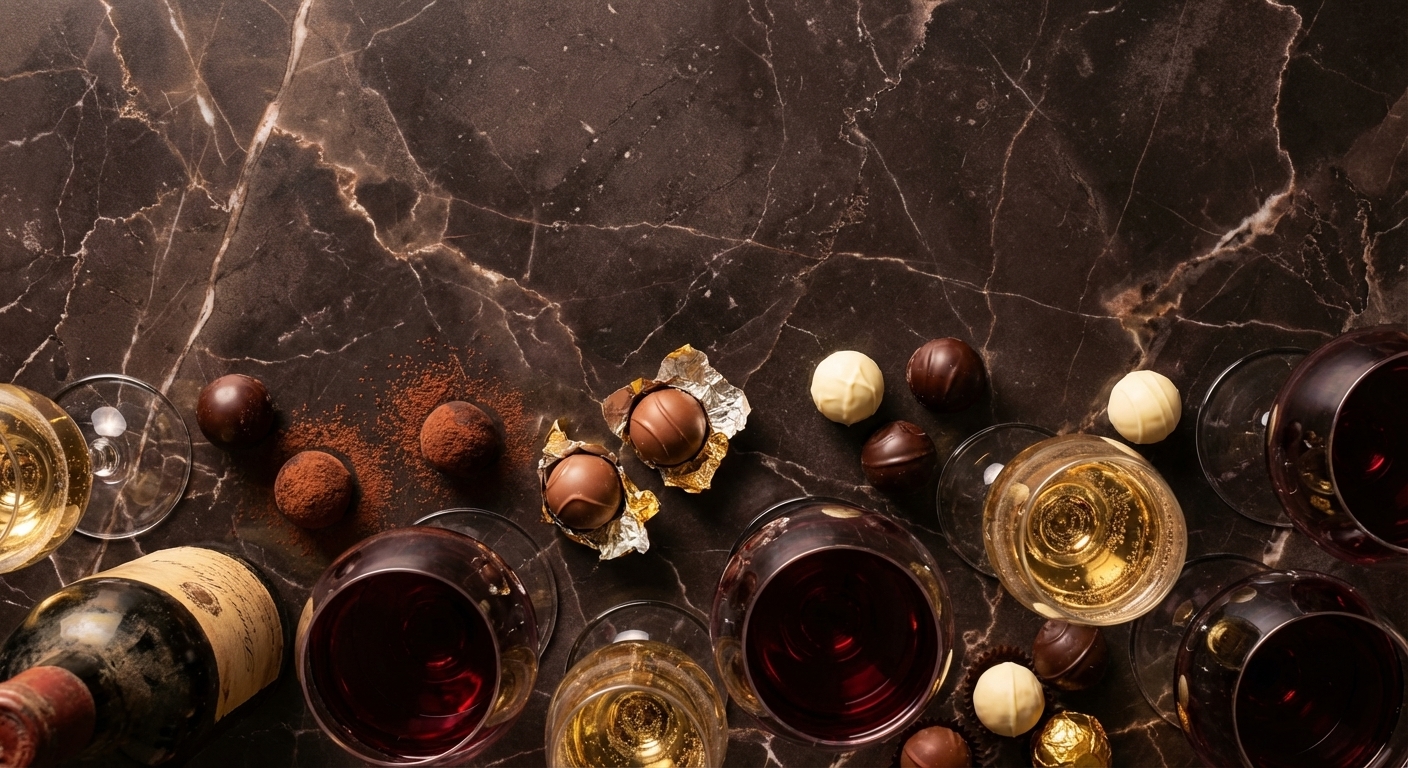
Mastering the art of wine and chocolate truffle pairing unlocks a world of sensory harmony where shared polyphenols, tannins, and flavor compounds create extraordinary taste experiences that transcend simple indulgence. This comprehensive guide reveals the fascinating science behind why certain wines elevate chocolate truffles—from understanding how acetaldehyde and dimethyl sulfide create natural flavor bridges between wine and chocolate, to discovering why white chocolate truffles pair beautifully with Cabernet Sauvignon while dark chocolate demands sweeter fortified wines like Port or Banyuls. Readers will learn practical techniques for selecting ideal wine styles based on cocoa percentages, from Ruby Port's perfect balance with bitter dark chocolate to Gewürztraminer's enchanting complement to white chocolate's vanilla notes, while exploring exceptional regional pairings from Italy's Vin Santo to Australia's rich "stickies." The article provides essential temperature control strategies—serving truffles at 65-68°F and reds slightly chilled at 60-65°F—along with professional tasting sequencing, proper glassware selection, and palate-cleansing techniques that transform amateur tastings into sophisticated sensory journeys. Whether you're hosting an intimate gathering or simply seeking to elevate your personal enjoyment, these evidence-based insights into the molecular interactions between wine tannins and chocolate's fatty acids will help you create perfectly balanced pairings where each element enhances rather than overwhelms the other, turning every bite and sip into a moment of pure gastronomic harmony.
The Science of Wine and Chocolate Truffle Pairing
Shared polyphenols, acetaldehyde, and oak-borne vanillin let wine and chocolate truffles finish each other’s sentences, turning tannic grip into silky harmony as fat meets astringency and red-fruit esters echo from glass to truffle.
Flavor compounds that connect wine and truffles
Wine and chocolate truffles share several key flavor compounds that create natural pairing affinities. Both contain polyphenols that significantly influence their taste profiles, with tannins playing an especially important role. In artisanal chocolate making, these compounds contribute to bitterness and astringency, while in wine they provide structure and mouthfeel [3]. The phenolic compounds in both interact on the palate in complementary ways - wine tannins bind with salivary proteins causing astringency that's balanced by chocolate's fat content [3].
Acetaldehyde, abundant in both wine and chocolate, serves as a crucial flavor bridge. In wine, this compound exhibits notes ranging from fresh fruit at low concentrations to nutty, cocoa, and ripe fruit aromas at higher levels [1]. Similarly, dimethyl sulfide enhances fruity flavors in both wine and chocolate, particularly red fruit notes that create harmonious flavor connections [1]. Research indicates that propylene glycol diacetate serves as a marker for red fruit aromas in chocolate [1], while similar fruit-ester compounds in wine create complementary profiles.
Anthocyanins in red wine create another significant connection point with chocolate. As wine ages, these compounds bind with tannins to form polymeric pigments that develop brick-red colors and softer mouthfeel characteristics [2], complementing chocolate's rich texture. The tannin chain length affects how these compounds interact - shorter chains present as more bitter, while longer ones create more astringency [3]. This variation explains why different chocolate formulations pair differently with wines of varying tannin profiles.
How texture influences the pairing experience
Texture creates a multisensory dimension in wine and chocolate pairings that extends beyond flavor alone. The smooth, melt-in-your-mouth quality of chocolate requires wines with complementary body weight to achieve balance [4]. Temperature plays a crucial role in this textural interaction—chocolate melts near body temperature, gradually releasing flavors, while wine creates contrasting mouthfeel that highlights different sensory dimensions. (For optimal serving temperatures, see "Mastering Wine and Chocolate Truffle Pairing" below.
)The fat content in chocolate truffles fundamentally changes how wine is perceived on the palate. In properly crafted truffles, the cocoa butter and cream create a luxurious canvas that transforms wine's characteristics. Wines with higher acidity or alcohol content cut through chocolate's richness, cleansing the palate between bites [4]. This explains why creamy truffles pair successfully with structured wines that prevent the combination from feeling too heavy.
Tannins in both wine and chocolate create astringency by binding with proteins in saliva, altering the physical sensation in the mouth [5]. This interaction manifests as dryness or roughness that varies in intensity. When properly balanced, the tannins in high-quality dark chocolate truffles complement similarly tannic wines like Cabernet Sauvignon rather than clash with them [5]. Tannins' strong affinity for lipids explains why high-tannin wines successfully pair with chocolate's fatty elements, transforming what might be excessive astringency into textural harmony [5].
Selecting the Ideal Wine for Your Chocolate Truffles
Match your truffle's cocoa intensity to the wine's sweetness—Ruby Port for dark chocolate's bitterness, Riesling for milk chocolate's creaminess, and Sauternes for white chocolate's richness—to create pairings where each element elevates the other.
Red, white, and sparkling options for dark, milk, and white truffles
The art of pairing wine with artisanal chocolate truffles requires understanding how different cocoa percentages and filling compositions interact with various wine styles. As second-generation chocolatiers, we've discovered that matching intensity levels between truffle and wine creates harmonious experiences where each element enhances rather than overwhelms the other. Dark chocolate truffles, with their sophisticated polyphenol profiles, present unique pairing challenges—their inherent bitterness can clash with many dry red wines [6]. Yet when thoughtfully matched, certain wine styles elevate these intense confections to extraordinary heights. Port, particularly Ruby Port, provides the ideal sweetness to balance dark chocolate's complexity while contributing layers of complementary fruit notes [7]. Zinfandel brings subtle cinnamon and spice nuances that enhance rather than compete with premium dark chocolate [7].
For the adventurous palate, consider Banyuls, Pedro Ximénez Sherry, or Vin Santo—each offering distinctive sweetness profiles that transform dark chocolate's natural bitterness into a luxurious experience [7]. Milk chocolate truffles, with their creamy texture and milder cocoa intensity, pair wonderfully with a broader range of wines. Sweet Riesling brings out milk chocolate's creaminess while its acidity cuts through the sweetness for a balanced experience [6]. Moscato d'Asti's light effervescence and honeyed notes complement milk chocolate's smooth texture [7]. For red options, Pinot Noir offers sufficient fruitiness without overpowering the delicate truffle flavors [7]. The key principle with milk chocolate: match its moderate sweetness with wines that offer similar or slightly higher sweetness levels [7].
White chocolate truffles, though lacking cacao solids, showcase the mastery of temperature and texture that defines exceptional chocolate-making. These ivory confections offer surprising pairing versatility—unlike dark chocolate, they harmonize beautifully with dry red wines like Cabernet Sauvignon, as the absence of competing polyphenols eliminates potential bitterness conflicts [7]. For white wine enthusiasts, Gewürztraminer's exotic lychee and rose petal notes create an enchanting dialogue with white chocolate's vanilla-forward profile [7]. Our modern white chocolate bonbons particularly shine when paired with sparkling wines—Champagne or Prosecco provide effervescent contrast to the truffle's creamy richness [6]. The natural acidity in these sparkling selections refreshes the palate between bites, transforming each taste into a renewed discovery [6].
Regional selections and vintage considerations
Specific wine regions produce distinctive styles that create exceptional chocolate truffle pairings. From southern Europe, Banyuls from France's Roussillon region delivers velvety textures with cooked dark fruit and chocolate notes that mirror truffle richness [8]. The wine's earthy and baking spice characteristics complement cocoa intensity for a seamless flavor experience [9]. Portugal's Douro Valley contributes Port wines, particularly Ruby Port, whose deep fruit and spice notes provide vibrant contrast to chocolate's density [9]. Tawny Ports, which mature in barrels for 10-40 years, develop nut, coffee, orange and honey flavors that pair beautifully with nutty chocolate fillings [8]. Italy's diverse wine regions offer chocolate-friendly treasures worth exploring.
Piedmont's Brachetto d'Acqui, a delicate sparkling rosé, brings refreshing red fruit and floral notes that provide elegant counterpoint to chocolate's richness [9]. Its subtle effervescence and creamy texture create playful contrast with dense, ganache-filled truffles [9]. Tuscany's Vin Santo, crafted from Trebbiano and Malvasia grapes dried for months on traditional cane mats, develops extraordinary complexity—orange zest, brown sugar, honey, and caramel notes that complement sophisticated chocolate creations while standing up to challenging flavor additions like coconut or tropical fruits [8]. From the prestigious Veneto region, Amarone's concentrated cherry essence and inherent dark chocolate undertones create seamless harmony with intensely flavored truffles [9]. Aging significantly impacts chocolate-wine affinity. Oxidative aging in Spain's Sherry production creates distinctive pairing opportunities, especially with Oloroso varieties.
These wines develop raisin and caramelized sugar notes through oxygen exposure, making them ideal partners for high-quality dark chocolates [8]. The richest style, Pedro Ximénez (PX), offers sumptuous dried fruit, caramel, coffee and Christmas pudding characteristics that echo chocolate's complexity [8]. Australia contributes unique "stickies" (Liqueur Muscat and Muscadelle) that incorporate three key techniques: partially dehydrated grapes, fortification during fermentation, and solera-system aging that blends multiple vintages [8]. This creates butterscotch, dried fruit, jam, hazelnut and spice flavors particularly suited to nutty chocolate fillings like gianduja [8].
Mastering Wine and Chocolate Truffle Pairing: Practical Techniques and Serving Tips
Serve your dark chocolate truffles at 65-68°F and your red wine at a quick-chilled 60-65°F so their tannins meld seamlessly, while giving whites and bubblies an ice-bath dip and letting truffles rest 10–15 minutes to unlock the perfect pairing.
Temperature, glassware, and pacing for optimal balance
Temperature control represents one of the most critical yet overlooked aspects of successful wine and truffle pairing. Professional chocolatiers understand that chocolate truffles should be served at 65-68°F to achieve optimal flavor release, while wines require their own specific temperatures to complement rather than clash. Red wines paired with dark chocolate truffles perform best at 60-65°F, cooler than typical room temperature, which prevents alcohol from overwhelming the delicate cocoa notes [10]. This temperature range allows tannins in both wine and chocolate to integrate harmoniously. A simple 5-minute chill brings reds to this ideal serving temperature [11]. For milk and white chocolate truffles paired with sparkling wines, serve at 41-45°F to preserve effervescence while providing refreshing contrast to the truffle's creamy richness. Vintage Champagnes warrant slightly warmer service at 45-50°F to showcase their complex brioche and toasted notes against white chocolate's vanilla profile [10].
White wines accompanying lighter truffles should range from 45-55°F based on body weight—crisp wines like Riesling at the cooler end, fuller-bodied Gewürztraminer slightly warmer [10]. The most efficient temperature control method remains the classic ice bath—equal parts ice and water—which chills wines more evenly than refrigeration [11]. For optimal results, place whites in the ice bath 15-20 minutes before serving and reds for just 5 minutes [11]. Allow chocolate truffles to rest at room temperature for 10-15 minutes before serving to ensure proper texture and flavor development. Glassware selection transforms a simple tasting into a sophisticated sensory journey. When pairing wines with handcrafted chocolate truffles, the glass shape directly impacts how aromas from both elements combine. Traditional flutes trap sparkling wine aromas, but wider white wine glasses create space for chocolate and wine aromatics to mingle, enhancing the pairing experience [10].
For Orchestrating multiple pairings requires careful sequencing to preserve palate sensitivity. Professional chocolatiers recommend organizing tastings from lightest to most intense—beginning with sparkling wines paired with delicate white chocolate truffles, progressing through milk chocolate with medium-bodied wines, and culminating in bold reds with high-percentage dark chocolate. This progression respects the palate's natural adaptation to increasing intensity. When hosting extended tastings, start wines at the cooler end of their ideal temperature range, accounting for gradual warming throughout the session [10]. Between pairings, provide room-temperature water and neutral crackers to cleanse the palate. Some chocolatiers suggest a small spoonful of sorbet between significantly different flavor profiles, though purists prefer simple water to avoid introducing competing flavors. Allow 3-5 minutes between pairings for guests to fully experience each combination and reset their palates before the next flight.
Creating a memorable tasting menu with wine and chocolate truffle pairing
A well-crafted tasting menu showcases the art of pairing through thoughtful progression and presentation. Begin with a welcome pairing that sets expectations—perhaps a delicate champagne truffle with Champagne to awaken the palate. Structure the menu to alternate between familiar combinations and unexpected discoveries, allowing guests to appreciate both classic pairings and innovative matches.
Consider theming your menu around a journey—geographical (Old World to New World wines), seasonal (spring florals to autumn spices), or intensity-based (delicate to bold). Present each course with brief tasting notes explaining why specific wines complement particular truffle flavors, educating while entertaining. For intimate gatherings, provide tasting cards where guests can record their impressions, creating an interactive experience that extends beyond the evening.
Professional presentation elevates the experience: serve truffles on neutral white plates that don't compete visually, use proper lighting to showcase the chocolate's sheen and the wine's color, and time each course to allow full appreciation without rushing. Most importantly, limit the menu to 5-7 pairings to prevent palate fatigue while providing sufficient variety for a memorable journey through the world of wine and chocolate harmony.
- Tannins in wine and chocolate bind with saliva proteins, creating balanced astringency when fat content is present.
- Serve dark chocolate truffles with Ruby Port or Banyuls to offset bitterness with complementary sweetness.
- White chocolate truffles pair well with dry reds like Cabernet Sauvignon due to absence of competing polyphenols.
- Optimal serving temperature is 65–68°F for truffles and 60–65°F for red wines to integrate tannins harmoniously.
- Progress tastings from light to intense—sparkling with white chocolate, then milk, finishing with bold reds and dark chocolate.
- Oak-derived vanillin in aged wines mirrors compounds in premium chocolate, creating natural flavor bridges.
- High-tannin wines transform potential astringency into textural harmony when paired with fatty chocolate elements.
- https://pmc.ncbi.nlm.nih.gov/articles/PMC10180179/
- https://www.guildsomm.com/public_content/features/articles/b/jennifer-angelosante/posts/phenolics
- https://www.wineanorak.com/polyphenols_in_wine.htm
- https://lakechelanwinevalley.com/the-science-of-wine-chocolate/
- https://www.halfbatchbaking.com/science/science-behind-baking-with-wine-and-chocolate-pairing
- https://67wine.com/blogs/news/a-sweet-trio-wine-champagne-and-chocolate-pairings
- https://winefolly.com/wine-pairing/what-wines-to-pair-with-chocolate/
- https://www.winespectator.com/articles/abcs-of-pairing-wine-and-chocolate
- https://www.try.vi/wine-pairing/chocolate-truffles
- https://shop.sgproof.com/articles/wine-articles/from-temperatures-to-glassware-heres-a-cheat-sheet-to-serving-wine
- https://wineiq.org/serving-wine-temperature-aeration-and-wine-glass-selection/