


What Makes Artisanal Fancy Chocolate So Special?
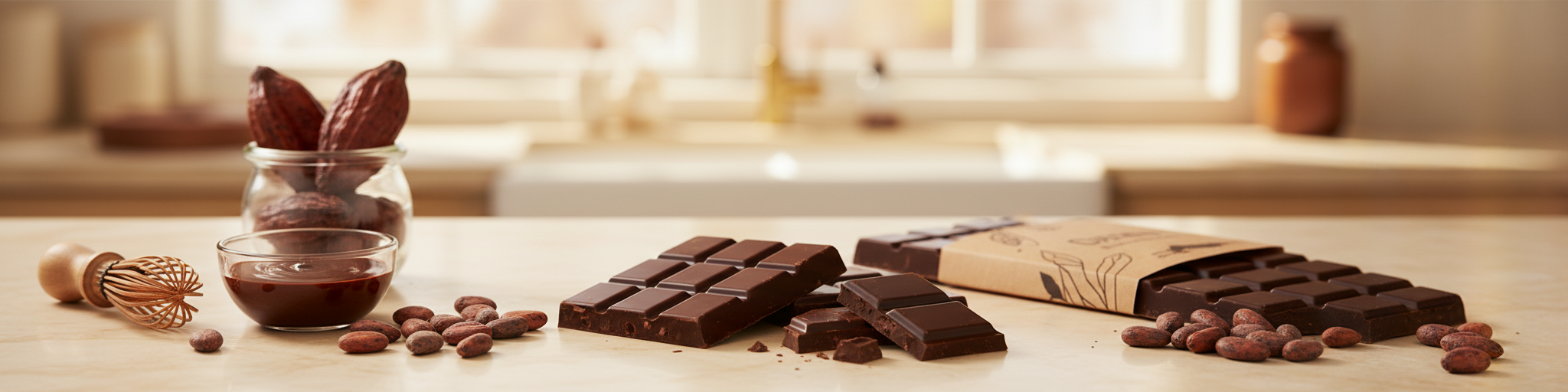
Artisanal fancy chocolate elevates cacao from commodity to craft by tracing every step from single-farm terroir to the final glossy snap, teaching readers how origin, ethical direct-trade pricing, and low-temperature roasting preserve each harvest’s citrus, nut or floral signatures while transparent bean-to-bar production, precise tempering and 15-micron grinding create the silky mouthfeel, audible snap and gradual flavor release that justify luxury positioning. The article decodes labels, cocoa-percentage logic and sensory tasting rituals, then explores sugar-reduced, carbon-neutral innovations, mood-boosting flavanols and thoughtful pairings with fortified wines or peated whisky so consumers can confidently choose, store and serve chocolate that rewards farmers, the planet and their own palates.
What Defines Artisanal Fancy Chocolate?
Single-origin beans—Madagascar’s citrus-raspberry spark, Venezuela’s nutty wine-like depth, Peru’s floral earth—hand-sorted and roasted to let terroir speak, define artisanal chocolate against mass-market blends.
Distinctive Bean Origins and Single‑Origin Sourcing
Artisanal chocolate distinguishes itself through the concept of terroir—where beans from specific regions carry unique flavor signatures shaped by soil, climate, and local farming practices. As a second-generation Beverly Hills chocolatier with European roots, we understand how profoundly origin influences flavor development. Single-origin chocolate uses beans from one specific location (country, region, or farm) rather than blending beans from multiple sources [1].
This approach preserves and highlights distinct flavor characteristics: Madagascar beans often deliver bright citrus and raspberry notes, Venezuelan cacao reveals nutty profiles with wine-like depth, and Peruvian beans typically express floral and earthy tones [1][2]. Many makers further narrow their focus to single-estate chocolate, using beans from just one farm to maximize control over flavor development and transparency [2]. This origin-focused approach connects directly to historical practices—the Aztecs organized cocoa beans by growing location, and 18th-century Peruvians considered pricing systems based on origin and quality [2].
These sourcing decisions fundamentally shape chocolate's character, allowing makers to showcase the bean's natural complexity rather than pursuing the consistency of commercial blends. (For more on direct trade relationships and ethical sourcing practices, see "From Bean to Bar: A Transparent Production Path.
Craftsmanship Versus Mass Production
The fundamental difference between artisanal and mass-produced chocolate lies in their production philosophy. Artisan makers prioritize bean quality and flavor development, working directly with farmers to source premium cocoa with distinct taste profiles [5]. They employ traditional techniques—hand-sorting, careful roasting, and precise tempering—to preserve each bean's natural complexity [4]. This meticulous process creates chocolate with pronounced texture, superior mouthfeel, and complex flavor notes that reveal themselves gradually [5].
At andSons, this philosophy extends to our modern and classic bonbons, where time-honored European techniques meet Los Angeles creativity. Mass producers, conversely, focus on consistency and cost efficiency, often using chemical alkalization to standardize flavor, adding emulsifiers for uniform texture, and incorporating higher sugar content to mask lower-quality beans [4]. They blend commodity cacao from multiple sources, prioritizing homogeneity over character [4].
While industrial chocolate uses vegetable oils instead of pure cocoa butter and relies on artificial flavors to simulate chocolate taste, artisanal products contain fewer, higher-quality ingredients that let the cocoa's natural properties shine [5]. The artisanal approach prioritizes quality over quantity at every stage, from bean selection to the final confection.
Flavor Complexity and Cocoa Percentage Standards
Cocoa percentage fundamentally shapes chocolate's flavor profile and texture, referring to the total amount of ingredients derived from the cacao bean—both cocoa solids and cocoa butter. This number directly indicates chocolate's intensity and sweetness level, with higher percentages delivering less sugar and more pronounced cacao flavors [6]. In artisanal chocolate, makers carefully calibrate this ratio to showcase specific bean characteristics.
Dark chocolate ranges from 50% to 100% cocoa, creating distinct flavor experiences: 50-60% provides balanced sweetness with gentle cocoa notes; 70-80% reveals robust, complex profiles where fruity, spicy, or earthy notes become discernible; and 85-100% delivers intense, almost savory experiences with minimal sweetness [6]. Percentage also dictates texture—higher cocoa content creates firmer chocolate with pronounced snap, while lower percentages yield softer, creamier mouthfeel [6]. Unlike mass-market products, artisanal makers adjust roast times, temperatures, grind duration, and cocoa percentages to express each bean's terroir optimally [7].
For discerning consumers, percentage serves as a guide to expected flavor intensity, but artisanal chocolate's true value emerges from the maker's skill in highlighting origin-specific flavor notes through precise percentage calibration [8].
Why the Term “fancy” Matters in the Premium Market
The term "fancy" serves as a crucial market differentiator in the premium chocolate industry, signaling to consumers that they're purchasing more than just confectionery. This terminology creates essential positioning that justifies higher price points—with research showing consumers willingly pay 25% more for products they perceive as luxury [9]. Beyond pricing, "fancy" establishes emotional connections through intangible brand associations, reflecting aspirational lifestyles and personal values that resonate with affluent buyers [9].
The language itself becomes part of the sensory experience, priming consumers for a more complex taste encounter and enhancing the perception of flavor profiles. In today's market, premium chocolate positioning increasingly involves "hyper-premiumization" strategies where exceptional craftsmanship, single-origin sourcing, and limited availability reinforce exclusivity [10]. For artisanal makers, these descriptive terms serve as shorthand for entire production philosophies that emphasize transparency, ethical sourcing, and flavor complexity.
The strategic use of premium terminology also supports selective distribution models where chocolate appears only in upscale settings that reinforce its luxury image—creating an environment where consumers approach tasting with heightened expectations [9]. As the confectionery market expands toward a projected value of $619. 25 billion by 2025, makers increasingly distinguish their offerings through language that communicates not just quality but an entire experiential approach to chocolate [10].
From Bean to Bar: A Transparent Production Path
Transparent, relationship-based chocolate production now pays farmers up to four times commodity prices while publishing every margin, letting you trace your bar from a single farm and taste how ethical farming unlocks superior flavor.
Ethical Farming, Direct‑Trade, and Traceability
Ethical farming practices form the foundation of artisanal fancy chocolate production, with makers increasingly moving beyond basic Fair Trade certification toward more impactful direct relationships with growers. While Fair Trade ensures minimum standards and pricing, Direct Trade chocolate makers typically pay farmers two to four times the commodity price, creating economic sustainability at the source [11]. Premium chocolatiers establish price floors higher than Fair Trade minimums, while others pre-pay farmers to solve cash-flow challenges and invest in local infrastructure [11]. This shift reflects growing recognition that how cacao is treated at origin fundamentally impacts chocolate quality—creating mutual incentives for sustainable practices and superior beans [11].
The relationship-based model extends beyond pricing to transparent business practices, with leading makers publishing comprehensive transparency reports that disclose all prices and margins across their value chain [11]. Some chocolatiers provide detailed reports comparing their payments against world market and Fair Trade prices, typically exceeding Fair Trade standards by 25% [11]. This transparency revolution addresses chocolate's historically opaque supply chain, allowing discerning consumers to trace their chocolate from specific farms to finished bars [11]. Bean-to-bar makers further enhance traceability by controlling every production step, from bean selection through roasting, grinding, and tempering—a meticulous process that reveals the unique terroir of each origin [12].
Leading chocolatiers demonstrate this commitment by traveling throughout Latin America, Africa and the Pacific to build direct relationships with farmers, ensuring both ethical sourcing and exceptional flavor profiles [13]. This comprehensive approach to ethics, relationships, and transparency creates a virtuous cycle where better farming practices produce superior beans, commanding higher prices that support sustainable agriculture.
Small‑Batch Roasting That Preserves Terroir
Roasting transforms raw cacao beans into the foundation of chocolate and represents the critical moment where terroir—a bean's distinct origin characteristics—is either preserved or destroyed. Artisan chocolate makers approach roasting as both science and art, working with small batches to maintain precise control over temperature and duration for each specific bean origin [14]. Unlike industrial production, which employs high-temperature, quick roasting that often burns beans and necessitates flavor masking, the bean-to-bar approach emphasizes gentle, slow roasting at lower temperatures that preserves nutrients and natural flavors [15].
This customization creates signature profiles: Madagascar beans might receive lighter roasts to maintain their bright, fruity notes; Venezuelan varieties often benefit from medium profiles that develop their nutty, wine-like depth; while robust Ecuadorian beans might require deeper roasting to balance earthy undertones [14]. The parallel to specialty coffee is direct—each bean's density, moisture content, and origin dictates its optimal roast profile [14]. Many artisanal makers use specialized equipment with perforated plates ensuring even heat distribution without stirring, sometimes repeating tests with various profiles before settling on the approach that best honors each harvest's unique characteristics [15].
This meticulous attention creates chocolate where terroir speaks clearly through flavor, connecting the final bar directly to its agricultural origins [16].
Hand‑Tempering, Molding, and Texture Engineering
The art of hand-tempering transforms chocolate into the glossy, perfectly textured confections that define luxury chocolates. As discussed in the tempering section earlier, this precise temperature control promotes the formation of stable cocoa butter crystals essential for chocolate's signature snap [17]. Master chocolatiers employ time-honored European techniques, carefully monitoring crystallization through traditional methods that connect modern craft to centuries of chocolate-making heritage.
This expertise extends to molding, where polycarbonate forms create the mirror-like finish expected of premium chocolates [19]. Shell thickness becomes an art form—skilled artisans manipulate timing and temperature to create delicate walls that shatter elegantly against rich fillings [19]. At andSons Chocolatiers, this traditional European approach combines with modern Beverly Hills sophistication, where texture engineering achieves particle refinement between 15-25 microns for an incomparably smooth mouthfeel [18]. These manual processes, passed down through generations, produce results that industrial methods cannot replicate despite their reliance on additives [18].
Eco‑Friendly Packaging and Carbon‑Neutral Initiatives
Luxury chocolate makers increasingly recognize their environmental responsibility, implementing innovative packaging and carbon reduction strategies that align with discerning consumers' values. The chocolate industry carries a significant carbon burden—a standard 40-gram chocolate bar generates approximately 200 grams of carbon emissions, with some estimates reaching 47 kg of CO2 equivalent per kilogram of chocolate [20]. Forward-thinking chocolatiers have responded by developing wrappers that eliminate single-use plastic and paper waste.
Innovators like Kocoatrait create packaging from upcycled cotton reclaimed from garment factories combined with cocoa shells (a roasting byproduct), resulting in fully biodegradable, compostable, and recyclable materials [20]. These ecological innovations extend to printing processes, with water-based inks replacing traditional petroleum-based options to ensure complete compostability [20]. Beyond packaging, conscious producers implement comprehensive carbon reduction strategies throughout their supply chains—optimizing shipping distances, using shared transportation, employing energy-efficient roasting equipment, and eliminating fossil fuels from production processes.
Premium chocolatiers take responsibility for their unavoidable emissions through carbon offsetting initiatives, planting trees within their supply chains to balance their carbon footprint [21]. These sustainability efforts reflect the values of luxury consumers who expect environmental stewardship alongside exceptional quality, with many artisanal producers simultaneously addressing multiple UN Sustainable Development Goals through integrated approaches to environmental and social responsibility [20].
Craft Techniques That Elevate Artisanal Fancy Chocolate
Master chocolatiers transform raw chocolate into sensory art by orchestrating a degree-specific three-phase thermal dance—melting dark chocolate to 120-130°F, cooling to 80-82°F, then stabilizing at 88-90°F—to create the coveted snap, sheen, and melt that signals perfectly aligned Type V cocoa butter crystals.
Artisan Tempering Curves and Snap Quality
Tempering represents the scientific heart of artisanal chocolate making, where makers control precise temperature curves to create chocolate's definitive snap and sheen. This technical process organizes cocoa butter crystallization into stable Type V (beta) crystals—the only formation that delivers chocolate's desired sensory qualities [22]. Unlike industrial production that uses additives to compensate for imprecise tempering, artisans execute a three-phase thermal cycle with degree-specific control. Dark chocolate requires melting at 120-130°F (50-55°C), cooling to 80-82°F (27-28°C), then stabilizing at 88-90°F (31-32°C) for working consistency [23].
Milk and white chocolates demand lower temperatures throughout each phase, requiring even greater precision [23]. Master chocolatiers employ different techniques based on batch size and desired outcomes: tablage (spreading chocolate across marble while monitoring crystallization by feel), seeding (introducing already tempered chocolate to initiate proper crystal formation), or controlled temperature baths [23]. The result of proper tempering is immediately apparent in the sensory experience—chocolate breaks with an audible snap rather than crumbling, releases cleanly from molds with a mirror-like surface, and melts at body temperature rather than in hand [23]. This snap quality, prized by connoisseurs, indicates perfectly aligned cocoa butter molecules and optimal mouthfeel development [22].
Some artisans extend crystallization time beyond minimum requirements, allowing up to several hours at the initial temperature to achieve even more refined results [22]. This meticulous approach to molecular organization demonstrates why craft chocolate commands premium pricing—each bar represents precise temperature choreography executed through skilled handwork rather than automated shortcuts.
Infusions, Inclusions, and Flavor Layering
Artisanal chocolate makers employ three distinct flavor enhancement techniques that create memorable tasting experiences. Direct infusion involves steeping herbs, spices, or teas in warm cream or cocoa butter before blending with chocolate, allowing the chocolate to absorb natural oils and aromas without overwhelming the base notes [24]. This method creates subtle flavor transformations—cardamom-infused chocolate doesn't taste explicitly spicy but carries a lingering warmth [25].
Inclusions introduce both flavor and textural complexity through the strategic placement of nuts, fruits, or flower elements throughout the chocolate, turning it into a canvas where each ingredient contributes unique sensory qualities [25]. The most sophisticated approach, layered flavoring, combines complementary elements to build depth and complexity—like pairing nutty pistachio with aromatic saffron or balancing tart raspberry against dark chocolate's bitterness [24]. Master chocolatiers draw from global culinary traditions when creating flavor profiles; Middle Eastern-inspired rose and cardamom combinations evoke cultural heritage, while innovative pairings like sea salt dark chocolate create flavor contrasts that enhance perception by amplifying sweetness through controlled salinity [25].
At andSons Chocolatiers, this precision in flavor integration combines time-honored European techniques with Los Angeles creativity, resulting in modern and classic bonbons where each ingredient harmonizes without dominating, allowing cocoa's inherent qualities to remain central to the experience [25].
Innovative Molds and Experiential Design
Artisanal chocolatiers elevate their creations through mold innovation and design elements that transform chocolate into multisensory art. Molding extends beyond functional necessity, becoming a canvas for storytelling and brand expression. Visual elements like intricate patterns, sculptural reliefs, and custom shapes create the first impression—engaging consumers before tasting begins [26]. Many chocolatiers employ specialized molds that produce distinctive surface textures, geometric forms, or thematic designs reflecting the chocolate's origin or flavor profile.
These creative molds directly influence perception, as chocolate's gloss, symmetry, and detailing signal craftsmanship and quality. The tempering process works in concert with mold design, ensuring chocolate flows properly into intricate cavities while creating the perfect crystalline structure for visual sheen and that satisfying snap when broken [27]. Beyond aesthetics, experiential design extends to multisensory engagement—thoughtful molding creates varied textures that transform how flavors release on the palate, with thin sections melting quickly while thicker portions provide lingering intensity [26]. This textural engineering shapes the tasting journey, controlling how flavor notes emerge and interact.
For bean-to-bar makers, distinctive molds become signature elements, instantly identifying their products while inviting consumers into a more deliberate, mindful tasting experience [27]. The most innovative designs integrate functionality with beauty—creating break patterns that enhance flavor release, surface textures that stimulate palate receptors, and shapes that guide proper tasting progression [28].
Quality Control Checkpoints for Consistency
Artisanal chocolate makers implement systematic quality checkpoints throughout production to ensure exceptional consistency. The process begins with bean assessment, evaluating each batch for size uniformity, fermentation quality, and absence of defects before entering production [14]. During roasting, makers monitor temperature precision within 1-2°C ranges while tracking time exactly, often performing small test batches to calibrate profiles for each bean origin [14].
Grinding and conching stages require particle size verification, typically maintaining chocolate refinement between 15-25 microns—smaller than the human tongue can detect—measured with specialized micrometers [29]. The critical tempering phase demands temperature verification at each stage, with makers testing small samples to confirm proper crystal formation through shine, snap, and contraction from molds [29]. Professional chocolatiers employ visual inspection protocols that evaluate surface gloss, color consistency, and structural uniformity, rejecting products that don't meet established benchmarks [29].
Many artisanal producers incorporate formalized tasting panels where trained evaluators assess aroma, texture, flavor progression, and mouthfeel using standardized scoring systems to detect subtle variations between batches [30]. This meticulous approach requires testing throughout production rather than just final products, enabling real-time adjustments that maintain consistency while honoring each bean's natural characteristics [30].
Sensory Mastery: Tasting, Aroma, and Texture
By slowing down—looking, snapping, inhaling, and letting the chocolate melt on your tongue while breathing through your nose—you unlock waves of flavors that reveal the bean’s origin, craftsmanship, and quality far beyond casual tasting.
Guided Tasting Steps for Artisanal Fancy Chocolate
Proper chocolate tasting transforms a simple pleasure into a revelatory sensory exploration. Begin by creating a neutral environment free from competing smells and distractions [31]. Avoid coffee, gum, or strongly flavored foods at least an hour before tasting, and ensure your nose isn't congested as this dramatically limits flavor perception [31][32]. Assess the chocolate's visual characteristics first—properly tempered artisanal chocolate displays an even, glossy surface without white spots or streaks (signs of bloom) [33]. Break a piece and listen for a sharp, definitive snap that indicates proper crystalline structure [33].
Before tasting, bring the chocolate close to your nose and inhale deeply to register its aromatic profile, which significantly enhances the tasting experience [33]. When tasting, resist the urge to immediately chew—instead, place the piece on your tongue and allow it to melt slowly while breathing smoothly through your nose [31]. The cocoa butter acts as a flavor carrier, releasing compounds as it melts [33]. Pay attention to how flavors develop in waves: initial notes might differ completely from middle and finishing notes [32]. Professional tasters recommend experiencing at least two pieces of the same chocolate, as the first taste often serves as a palate "shock" while subsequent pieces reveal more complex flavor dimensions [32].
Between tastings, cleanse your palate with water or mild crackers [32]. For comparative depth, taste similar-percentage chocolates side by side to better identify the distinctive characteristics of each origin or maker [32]. This methodical approach reveals artisanal chocolate's remarkable complexity—notes ranging from fruity and floral to earthy and nutty—in ways that casual consumption never could.
Aroma Profiling: Fruit, Spice, Floral, and Earthy Notes
Artisanal chocolate's complex aroma profile reveals its origin, quality, and craftsmanship before it even touches your palate. Each region imprints distinctive aromatic signatures: Madagascar cacao delivers bright citrus and tart red berries, Venezuelan beans express deeper plum, raisin, and wine-like richness, while Peruvian origins showcase floral highs alongside gentle earthiness [34]. These aroma profiles emerge directly from terroir—the unique combination of soil, climate, rainfall, altitude, and surrounding vegetation that shapes the beans' development [34].
When tasting premium chocolate, inhale deeply before eating to identify these signature notes, as aroma prepares your taste buds and significantly enhances flavor perception [34]. Professional tasters identify patterns: fruit notes (ranging from citrus brightness to berry tang to deeper stone fruit richness), spice elements (cinnamon, nutmeg, pepper), floral accents (jasmine, rose, orange blossom), and earthy undertones (forest floor, mushroom, leather) [35]. These complex aromatics reflect both the bean's natural character and careful post-harvest processing—proper fermentation develops fruity complexity while appropriate roasting can enhance nutty or caramel notes without introducing burnt qualities [34].
Single-origin bars highlight these aromatic dimensions more clearly than blends, allowing tasters to connect directly with each cacao's unique expression of place [34].
Mouthfeel, Snap, Melt Point, and Texture Nuances
The sensory experience of artisanal fancy chocolate extends far beyond taste, with mouthfeel attributes creating a distinctive multidimensional experience. Professional tasters evaluate mouthfeel along key dimensions: intensity, butteriness, mellowness, and cleanliness, which differ fundamentally from taste, texture, or flavor [36]. This quality emerges from the careful crystallization of cocoa butter during tempering (as detailed in the tempering techniques above), with properly tempered chocolate forming stable Type V crystals that melt precisely at body temperature (34°C) [37]. This exact melt point creates chocolate's signature sensory progression—remaining solid at room temperature but transforming completely in your mouth, releasing flavor compounds in sequence rather than simultaneously.
The characteristic snap of premium chocolate provides immediate feedback about crystalline structure quality [36]. When breaking a piece, a sharp, definitive crack indicates proper tempering and well-aligned cocoa butter molecules [37]. Astringency—often confused with bitterness—creates the pleasant drying or puckering sensation when saliva interacts with polyphenols, activating the trigeminal nerve [36]. Texture represents how smooth or grainy chocolate feels in the mouth, with stone-ground varieties providing distinctly different experiences than conched bars [36].
Particle size significantly impacts mouthfeel; artisanal makers typically maintain particles between 15-25 microns—smaller than the human tongue can detect—creating ultra-smooth texture without grittiness [37]. This refinement is particularly crucial in bonbon creation, where Thickness of the chocolate piece directly affects this progression—thinner pieces melt rapidly before full astringency develops, while appropriately thick pieces allow the complete sensory arc to unfold [36]. Temperature significantly alters textural properties, with warmth increasing stickiness, cohesiveness, and oily mouthcoating while reducing firmness, snap, hardness, and fracturability [38]. This complex interplay of physical properties explains why artisanal chocolate commands premium pricing—each attribute requires meticulous production control unachievable through industrial shortcuts [38].
Professional Pairing Suggestions for Wine, Coffee, and Spirits
Artisanal chocolate's complex flavor profiles demand thoughtful beverage pairings that enhance rather than compete with its nuanced characteristics. Despite popular belief, tannic red wines typically clash with dark chocolate—Cabernet Sauvignon, Merlot, and Zinfandel create unfortunate tannin conflicts [40]. Instead, sweet fortified wines create exceptional pairings: Port, Pedro Ximénez Sherry, and Malmsey Madeira enhance dark chocolate's fruity notes without battling for dominance [40]. Sweet dessert wines like Sauternes and Tokaji Aszú (5-6 Puttonyos) similarly complement chocolate's richness, while specific white wines (Gewürztraminer, sweet Riesling) can work surprisingly well [40]. Origin-specific pairings reveal deeper connections—Madagascar's bright, citrusy chocolate harmonizes with Grenache or Beaujolais; Venezuelan's wine-like depth pairs beautifully with Syrah or Malbec; and Peruvian's floral notes complement Pinot Noir or lightly oaked Chardonnay [39].
Spirits offer exceptional pairing versatility when selected by flavor profile rather than category. Irish whiskeys (Redbreast, Bushmills) consistently complement chocolate regardless of percentage, while sherried Speyside Scotches (Macallan, Aberlour) highlight chocolate's complexity [40]. Peaty Islay whiskies like Laphroaig add fascinating savory dimensions that transform the chocolate experience entirely [40]. Beyond whisky, aged rums with pronounced caramel notes (Ron Zacapa 23), añejo tequilas (Don Julio, Casamigos), and VSOP/XO cognacs create sophisticated pairings that reveal new dimensions in both elements [40]. For optimal results, follow a three-step process: first taste each element separately; then place chocolate in your mouth allowing it to begin melting (about 10 seconds) before taking a small sip of your chosen beverage; finally, swallow the beverage while letting chocolate continue melting on your palate, paying attention to the evolving flavor journey [40].
Temperature significantly impacts pairing success—serve chocolate at room temperature (65-70°F), spirits neat or with minimal water (never ice), and wines at their appropriate serving temperatures [39]. This attention to detail, reminiscent of European chocolate traditions, ensures each element performs optimally. Structure tastings by progressing from lighter to more intense combinations, resetting your palate between pairings with plain water rather than flavored beverages [39]. For cheese pairings, avoid particularly pungent varieties in favor of soft and semi-soft options like Brie, Comté, Gruyère, P'tit Basque, or Gouda, which absorb chocolate's bitterness while highlighting mutual nutty characteristics [40]. The fat content in these cheeses neutralizes bitterness while creating textural harmony that hard cheeses cannot achieve [40].
Health Benefits and Mindful Indulgence
Dark chocolate’s flavanol-packed antioxidants can measurably improve vascular function within hours, but only the least-processed, darkest varieties retain the potency needed for real cardiovascular and metabolic benefits.
Antioxidants, Flavonoids, and Heart‑Healthy Compounds
Dark chocolate contains a remarkable array of bioactive compounds that function as powerful antioxidants. The most significant of these are polyphenols, which comprise approximately 10% of cocoa's dry weight and serve as the primary source of its antioxidant properties [41]. These polyphenols include flavonoids (particularly catechins, epicatechin, and procyanidins), which protect against oxidative stress by neutralizing free radicals, chelating metals that trigger oxidation, and activating antioxidant enzymes in the body [41]. The flavanol content in dark chocolate is notably higher than in many other antioxidant-rich foods, with cocoa containing more flavonoids than apples, onions, and even wine [41].
These compounds directly benefit cardiovascular health by improving endothelial function, enhancing nitric oxide production, reducing blood pressure, and inhibiting platelet aggregation [43]. Research shows that cocoa flavanols specifically improve vascular function by boosting nitric oxide levels and enhancing flow-mediated vasodilation in arteries, resulting in better microcirculation [43]. Clinical studies reveal that consuming flavanol-rich cocoa for just 2-8 hours improves vascular endothelial function, even in smokers [41]. Beyond cardiovascular effects, these compounds show promising benefits for insulin sensitivity and glucose metabolism, with epicatechin stimulating PI3K signaling pathways that influence insulin activation [41].
The processing of chocolate significantly impacts its antioxidant profile—during fermentation, drying, and roasting, polyphenol content can drop dramatically, with approximately 50% of epicatechin lost during drying alone [41]. Darker chocolate preserves more of these beneficial compounds, as milk proteins in lighter varieties can interfere with flavonoid absorption and bioavailability [42]. While chocolate's health potential is promising, researchers caution against viewing it as medicine—the COSMOS study found that consuming an equivalent amount of flavonoids from supplements would require approximately 700 calories of dark chocolate daily [42].
Reduced Sugar, Natural Sweeteners, and Clean Labels
Artisanal chocolate makers are transforming conventional formulations by drastically reducing sugar content while maintaining flavor complexity. Unlike mass-market products containing 40-60% sugar, premium chocolate often reduces sugar by 20-30% without compromising taste [44]. This shift toward cleaner profiles happens through three key approaches. First, makers substitute refined white sugar with natural alternatives like coconut sugar and date syrup, which deliver more complex flavor profiles with lower glycemic impact [44].
Leading artisanal chocolatiers now offer collections featuring coconut sugar exclusively, with some creating 100% cocoa options containing zero added sweeteners [44]. Second, innovative ingredients like chicory root fiber add functional benefits while reducing overall sugar content—certain premium white chocolate formulations achieve 23% less sugar than conventional versions through this approach [44]. Third, artisanal makers embrace radical transparency through clean labels, eliminating emulsifiers, artificial flavorings, and palm oil that dominate commercial formulations [44]. This clean-label movement isn't merely aesthetic—it represents a fundamental shift in consumer expectations, with 75% of global consumers now aware of functional foods and over half actively seeking them out [45].
For discerning chocolate lovers, fewer ingredients typically signals higher quality, with the best artisanal products containing just cocoa mass, cocoa butter, and minimal natural sweetener [44]. This minimalist approach allows the bean's intrinsic flavors to shine while delivering a more nutrient-dense experience. At andSons, this philosophy guides our modern bonbon collection, where European craftsmanship meets Los Angeles innovation to create indulgences that honor both flavor and wellbeing.
Mood‑Boosting Theobromine and Phenylethylamine
Chocolate contains two key compounds that influence brain chemistry and mood: theobromine and phenylethylamine. Theobromine (1. 0-2. 5% of cocoa beans) functions as a mild central nervous system stimulant with less intensity than caffeine [46].
Artisanal dark chocolate delivers substantially more theobromine than commercial varieties—up to 220mg in 50g of dark chocolate compared to just 75mg in milk chocolate [46]. This explains why darker, high-cocoa percentage bars produce more pronounced physiological effects. Phenylethylamine, one of several biogenic amines in cocoa, increases during fermentation and decreases during roasting and alkalization [46]. This compound acts as a neurotransmitter precursor that stimulates endorphin release, creating chocolate's signature mood lift.
Brain imaging studies reveal chocolate consumption affects multiple neural pathways—chocolate cravers show heightened activation in the medial orbitofrontal cortex and ventral striatum when viewing chocolate [46]. The sensory experience triggers dopamine release in reward pathways, though interestingly, chocolate fails to activate the nucleus accumbens shell (the key structure in drug addiction), indicating its mood-boosting effects differ fundamentally from addictive substances [46]. For maximum mood benefits, artisanal producers minimize processing steps that degrade these compounds. Consuming high-percentage artisanal chocolate creates a complex neurological response that combines theobromine's subtle stimulation with phenylethylamine's mood enhancement—explaining why chocolate remains one of the most sought-after comfort foods during emotional stress [46].
Portion Guidance for Balanced Enjoyment
Despite chocolate's health benefits, mindful portion control maximizes benefits while minimizing drawbacks. Research suggests limiting consumption to 1-2 ounces (30-60g) daily—equivalent to three thin squares broken from a typical bar [47][48]. This amount delivers beneficial flavanols without excessive calories or saturated fat.
Dark chocolate contains 150-170 calories per ounce with moderate saturated fat content, meaning even small portions impact daily caloric intake [49]. Choose chocolate with at least 70% cacao solids to increase beneficial compounds while reducing sugar content [47]. Savor each piece slowly rather than consuming quickly—this deliberate eating triggers greater satisfaction signals to your brain, potentially reducing overall consumption [48].
Those with specific health concerns should adjust accordingly; pregnant women and children should consume even smaller amounts and only occasionally due to potential trace heavy metal content [49]. For maximum enjoyment with minimal health impact, integrate chocolate into your diet thoughtfully—perhaps as a daily afternoon ritual or evening treat rather than impulsive consumption.
Choosing and Storing the Perfect Artisanal Fancy Chocolate
Look for the glossy snap, short ingredient list, precise cocoa percentages, and bean-to-bar transparency that separate real artisanal chocolate from marketing hype.
Evaluating Quality Indicators in Boutique and Online Shops
When shopping for artisanal fancy chocolate, distinguishing genuine quality from marketing claims requires recognizing key indicators. As detailed in our tempering discussion, quality artisanal chocolate displays a glossy, even surface with a definitive snap when broken—immediate visual cues of proper crystallization and craftsmanship [50]. Beyond appearance, examine ingredient lists; authentic artisanal products typically contain minimal components, prioritizing high-quality cocoa beans without artificial additives, emulsifiers, or preservatives that dilute flavor complexity [50]. The presence of specific bean origins rather than generic source descriptions signals a maker's commitment to terroir and flavor development [51]. Cocoa percentage serves as another crucial quality marker, as explored in our flavor complexity discussion, with artisanal dark chocolate typically ranging between 70-99% and milk varieties between 35-65% [50]. This higher cocoa content directly contributes to more nuanced flavor profiles and increased health benefits through greater antioxidant concentrations [50].
Production scale indicators matter equally—look for explicit mentions of small-batch production, which typically results in more careful quality control throughout manufacturing [51]. Many boutique shops will display their production methods prominently, sometimes allowing customers to observe the chocolate-making process directly [50]. In Beverly Hills' artisanal chocolate scene, this transparency has become a hallmark of quality establishments where generations of expertise meet modern innovation. Authentic artisanal chocolatiers distinguish themselves through transparent sourcing practices. The most dedicated makers either follow bean-to-bar methodology (controlling production from raw bean processing) or carefully select premium couverture from renowned chocolate-producing regions like Belgium, France, and Switzerland [51]. When evaluating online shops, prioritize businesses that provide detailed information about their cocoa sourcing relationships, particularly those demonstrating direct trade practices that ensure fair compensation to farmers—sometimes 7-8 times higher than commodity pricing [50].
Customer education represents another quality signal; shops that offer detailed tasting notes, origin stories, and flavor expectations typically invest more in their product quality [50]. Packaging offers additional quality cues through both aesthetic and informational elements. Premium artisanal chocolate typically features elegant, distinctive packaging that communicates craftsmanship through detailed origin labeling, processing notes, and tasting suggestions [50]. While mass-market chocolates emphasize standardization, artisanal products celebrate variability between batches as evidence of authentic craftsmanship and seasonal cocoa characteristics [51]. When evaluating products online, shops that prominently feature the chocolatier's background, production philosophy, and specific manufacturing techniques generally signal higher quality standards [51]. The most reliable boutiques emphasize chocolate as an experience rather than merely a confection, providing guidance on proper storage, tasting methods, and flavor appreciation [50].
Reading Origin Labels, Cocoa Percentages, and Certifications
Reading a chocolate label requires understanding both what's stated and what's omitted, building on the bean-origin concepts discussed earlier. Quality artisanal chocolate lists minimal ingredients—typically just cocoa beans, sugar, and sometimes cocoa butter [52]. The first listed ingredient should be cocoa beans (or sometimes listed as cacao, cocoa mass, or chocolate liquor), indicating the chocolate was refined from whole beans rather than reconstituted from cocoa powder [8]. Beware of additives like vegetable fats, artificial flavors, emulsifiers, and vanillin, which typically signal mass-produced chocolate trying to mask inferior beans [52].
When examining origin information, look beyond simple country designations to specific estates, farms, or cooperatives—this transparency indicates traceable sourcing and higher quality [52]. True craft chocolate proudly identifies precise growing regions, sometimes down to the village level, similar to wine terroir descriptions [52]. The percentage on labels represents the total amount derived from the cocoa bean (both cocoa solids and cocoa butter), not quality—it simply indicates intensity and sweetness levels [8]. A 75% chocolate contains 25% non-cocoa ingredients, typically sugar, while dark milk chocolates combine higher cocoa content with milk powder [8].
Some craft makers add minimal cocoa butter beyond what naturally occurs in beans to improve texture or enhance certain origin characteristics [8]. When evaluating certifications, recognize that "Fair Trade" ensures minimum standards, but direct trade relationships (where makers pay farmers significantly more) often deliver greater benefits to producers [52]. Some makers use terms like "fairly traded" to indicate ethical sourcing without formal certification costs. Price serves as a final quality indicator—craft chocolate typically costs more than mass-produced bars because makers pay farmers fairly, use superior beans, and employ time-intensive production methods [52].
Optimal Storage Temperature, Humidity, and Light Protection
Artisanal chocolate requires specific storage conditions to maintain its complex flavor profiles and texture. Store chocolate between 15-21°C (60-70°F), as this temperature range preserves quality while preventing cocoa butter crystallization that causes bloom—the white film that forms on chocolate's surface [53][54]. Avoid refrigeration unless extreme heat leaves no alternative; cold temperatures combined with humidity alter chocolate's molecular structure, diminishing aroma and flavor [53].
If refrigeration becomes necessary, seal chocolate in an airtight container and allow it to gradually return to room temperature before opening to prevent condensation [54]. Maintain 50-55% humidity, using silica gel packs in storage containers to absorb excess moisture if needed [54]. Dark chocolate naturally lasts longer than milk or white varieties due to higher cocoa content, while filled chocolates containing perishable ingredients like cream should be consumed within fifteen days [53].
Light degrades chocolate's delicate oils and fades flavor, so store in dark locations using proper wrapping—aluminum foil, airtight containers, or vacuum-sealed bags—to shield from both light and surrounding odors [53][54]. For those fortunate enough to have one, a wine cellar provides ideal conditions for long-term chocolate storage, offering the perfect balance of temperature, humidity, and darkness [53].
Creative Serving Ideas and Elegant Presentation Tips
Elevate artisanal chocolate from mere confection to sensory experience through thoughtful presentation. Create a dedicated tasting space free from competing aromas where chocolate becomes the focal point. Serve chocolate at room temperature (60-70°F) on neutral-colored plates or boards that highlight the chocolate's color and sheen [55]. For formal tastings, pair chocolate with simple palette cleansers—water at room temperature and plain baguette slices effectively reset taste buds between different varieties [55].
When presenting multiple chocolates, arrange pieces from lightest to darkest or lowest to highest percentage to prevent flavor fatigue, allowing subtle notes in lighter chocolates to remain detectable [55]. For educational presentations, include small cards identifying each chocolate's origin, percentage, and expected flavor notes to guide tasting and encourage discussion [55]. Transform chocolate presentation into an interactive experience by inviting guests to break pieces themselves, listening for the distinctive snap of properly tempered artisanal chocolate [55]. For maximum flavor development, provide small tasting portions rather than full-sized pieces, allowing chocolate to melt slowly in the mouth rather than being chewed [55].
When serving filled or flavored chocolates, arrange complementary varieties together to create thematic taste journeys—perhaps grouping all spice-infused pieces or arranging by geographic origin [55]. For dramatic presentation at dinner parties, create a dedicated chocolate board with varied textures and flavor profiles, accompanied by complementary elements like dried fruits, nuts, or edible flowers that echo notes present in the chocolate itself. Consider featuring both modern and classic bonbons alongside bars to showcase the full spectrum of artisanal chocolate craftsmanship—from single-origin bars to intricately designed filled chocolates that represent generations of chocolatier expertise.
Future Trends, Gifting, and Culinary Applications
Cutting-edge tech—AI-guided conching, blockchain traceability and satellite yield tracking—is turning tomorrow’s $3.4 billion bean-to-bar market into hyper-transparent, waste-cutting chocolate that lets gifters hand over a verifiable farm-to-box story as luxurious as the bite itself.
Emerging Bean‑To‑Bar Innovations and AI‑Driven Traceability
As discussed in the bean-to-bar production methods earlier, artisanal chocolate making continues evolving through technological innovation. Smart conching and precision fermentation control now enable makers to achieve unprecedented consistency while preserving each origin's distinctive character [56]. These breakthroughs have fueled dramatic market expansion, with projections reaching $3. 4 billion by 2033 at an 8.
5% CAGR [56]. The transparency revolution extends beyond traditional methods—blockchain technology has achieved 37% adoption among major processors, allowing consumers to verify a chocolate's complete journey from farm to finished bar [57]. This digital traceability addresses growing consumer demand, with 42% of processors now integrating blockchain or QR-code systems that reveal precise sourcing details [57]. Artificial intelligence applications optimize every stage, from agricultural monitoring that reduces post-harvest losses by 14% to quality grading systems that enhance bean selection precision [57].
Satellite monitoring combined with machine learning helps predict yields and track environmental impact, with 22% of premium processors adopting these technologies by 2024 [57]. For established artisanal chocolatiers who have built their reputation on traditional craftsmanship, these innovations offer opportunities to enhance rather than replace time-honored techniques—combining heritage knowledge with modern transparency to create extraordinary chocolate experiences [58].
Luxury Gifting Concepts and Curated Chocolate Sets
In luxury markets like Beverly Hills, artisanal chocolate has evolved beyond confection into sophisticated gift experiences that reflect both giver and recipient's discerning taste. Premium chocolate collections now showcase the chocolatier's complete artistry through thoughtfully curated assortments—modern interpretations alongside classic techniques—presented in tiered arrangements that create immediate visual impact [59]. These carefully composed gift boxes guide recipients through flavor journeys, from delicate fruit-forward bonbons to intense single-origin bars, each piece revealing the maker's expertise and heritage.
The psychological impact of luxury chocolate gifts extends beyond mere indulgence, with research showing they enhance both personal and professional relationships through elevated perceived value [60]. This strategic gifting approach works particularly well because it triggers multiple sensory experiences, enhances perceived social status for both giver and recipient, and creates lasting positive memories associated with the occasion [60]. Exclusivity further increases perceived value, as limited-edition collections and single-origin assortments leverage the psychological scarcity principle—products perceived as rare become inherently more desirable [60]. Sophisticated packaging plays a crucial role, with custom-designed boxes serving as the critical first impression that sets expectations before tasting begins [60].
Personalization has become increasingly significant in luxury chocolate gifting, with options for custom messages and individualized assortments that address specific preferences [61]. Many premium chocolatiers now offer dietary-specific luxury collections, including vegan and kosher options that maintain exceptional quality while accommodating specific needs [61]. The handcrafted nature of these gifts further distinguishes them from mass-market options, with artisans highlighting their meticulous creation process as part of the luxury narrative [61].
Incorporating Artisanal Fancy Chocolate into Desserts and Savory Dishes
Artisanal chocolate transforms both desserts and savory dishes by adding depth and complexity rather than mere sweetness. In savory applications, cocoa's natural bitterness and complexity enhance umami, balance spice, and deepen sauces without making dishes taste like dessert [62]. Red meats like venison and beef cheeks respond particularly well to cocoa treatments—try rubbing venison with a smoky cocoa and espresso blend or slow-braising beef cheeks in stout with 72% chocolate for richness [62]. Seafood benefits from chocolate's unexpected versatility through techniques like white chocolate folded into crab risotto for silkiness or cocoa-crusted cod with bright beetroot slaw for contrast [62].
For vegetable-forward dishes, cocoa butter elevates roasted cauliflower while cocoa powder adds earthy depth to mushroom preparations, particularly when using meaty varieties like oyster mushrooms [62] [63]. When working with chocolate in savory contexts, follow the fundamental rule of balance—dark chocolate pairs exceptionally with red meat and dark fruits, while high-cocoa-butter white chocolate complements spicy or creamy foods [63]. For desserts, artisanal chocolate elevates classics through quality and technique. When baking, use overripe bananas in chocolate chip banana bread for more intense flavor and incorporate high-quality butter in scones for superior texture [64].
Temperature control proves critical across applications—tempering chocolate precisely before adding to preparations ensures proper texture and mouthfeel development [63]. For professional-level incorporation, adjust chocolate percentages based on application: higher percentages (70-85%) for meat dishes where bitterness balances richness, mid-range (60-70%) for vegetable preparations, and carefully selected percentages for desserts based on desired sweetness level [63].
Hosting Tasting Events and Interactive Workshops
Transform chocolate appreciation into memorable experiences by creating refined tasting environments free from distractions, using room temperature sparkling water as the ideal palate cleanser [65]. Guide participants through the complete sensory journey: examining chocolate's visual perfection, listening for that distinctive artisanal snap, inhaling deeply to capture aromatic complexity (80% of flavor perception comes through scent), then allowing each piece to melt slowly on the tongue [65].
Premium chocolate reveals its character in waves—initial notes evolving through middle flavors to lingering finishes that distinguish true craftsmanship from industrial production [65]. Professional tasting tools like flavor wheels and origin maps help guests articulate sophisticated notes ranging from bright citrus to deep earth tones [65].
For interactive workshops, demonstrations of traditional European techniques alongside modern innovations connect participants to both chocolate's heritage and contemporary artistry [28]. The most successful events elevate chocolate to its rightful place alongside fine wine—approaching each piece as an artisanal creation that embodies generations of expertise and deserves focused, reverent attention [65].
- Single-origin beans preserve terroir flavors; Madagascar citrus, Venezuelan nut-wine, Peruvian floral-earth.
- Artisanal makers pay farmers 2-4× commodity price via Direct Trade, exceeding Fair Trade by ~25%.
- 70-85% cocoa bars reveal fruity/spicy notes; higher cocoa firms texture, lower yields creamier mouthfeel.
- Proper tempering forms Type V crystals: melt 120-130°F, cool 80-82°F, work 88-90°F for snap.
- Store 60-70°F, 50-55% humidity, darkness; avoid fridge unless heat forces airtight thaw to stop bloom.
- Limit to 1-2 oz 70%+ daily for antioxidants; slow melt on tongue enhances mood-lift compounds.
- Taste neutral room, snap piece, inhale aroma, let melt 10s; note evolving waves of origin flavors.
- https://amanochocolate.com/single-origin-vs-blended-understanding-the-distinction-in-chocolate-crafting/
- https://www.hachettebookgroup.com/storey/what-is-single-origin-chocolate/
- https://shelachocodiary.com/craft-vs-mass-produced-chocolate-whats-the-difference/
- https://mahoganychocolate.com/craft-chocolate-vs-commercial-chocolate/
- https://clovechocolate.com/why-artisan-chocolate-is-better-than-mass-produced-chocolate/
- https://www.wisemanhousechocolates.com/blog/how-does-cocoa-percentage-affect-the-flavor-of-chocolate
- https://wildwestchocolate.com/blogs/news/50-75-80-what-does-cocoa-percentage-mean
- https://www.thechocolateprofessor.com/blog/how-to-choose-a-chocolate-bar
- https://www.hillcountrychocolate.com/blogs/news/chocolate-in-luxury-markets?srsltid=AfmBOorqxpcsc3_7L-f4DKUNxNAEBQUBd4z0QxfvAPcXBD0YPqHHuDVE
- https://www.confectionerynews.com/Article/2025/03/13/how-hyper-premiumisation-and-personalisation-are-reshaping-the-chocolate-market/
- https://www.thechocolateprofessor.com/blog/how-to-better-understand-fair-trade-direct-trade-amp-transparent-trade
- https://kekao.co/blogs/chocolate-purveyors/the-rise-of-bean-to-bar-chocolate
- https://farmflavor.com/lifestyle/food-for-thought/american-chocolate-farms-and-makers-craft-high-quality-products-from-bean-to-bar/
- https://amanochocolate.com/from-bean-to-bar-the-journey-of-crafting-artisan-chocolate/
- https://cacaoinsights.com/cacao/bean-to-bar-making-process/
- https://orfeve.com/en/chocolate-making/
- https://chocolatealchemy.com/tempering-deconstruction-and-reconstruction-illustrated-tempering
- https://www.jymachinetech.com/chocolate-manufacturing-from-bean-to-bar/
- https://www.instructables.com/How-to-Temper-Chocolate-and-Make-Filled-Chocolates/
- https://www.thegoodtrade.com/features/fair-trade-chocolate/
- https://www.valrhona.com/en/l-ecole-valrhona/discover-l-ecole-valrhona/chocolate-terminology/tempering-chocolate
- https://mae-innovation.com/en/tempering-chocolate-a-complete-guide-to-mastering-it-like-a-pro/
- https://mmm-glug.co.uk/the-art-of-handcrafted-chocolate-techniques-and-flavor-combinations/
- https://vocal.media/feast/infused-to-perfection-the-art-of-blending-flavors-into-chocolate
- https://amanochocolate.com/beyond-milk-and-dark-exploring-the-range-of-artisanal-chocolate-flavors/
- https://candiesandsweets.com/artisanal-chocolate-transforms-bean-to-bar-into-art/
- https://www.ice.edu/campuses/newyork/facilities-technology/chocolate-lab
- https://thesweettooth.com/blogs/news/what-factors-determine-the-quality-of-a-handcrafted-chocolate-truffle?srsltid=AfmBOopdbdWSaj9-XMI1eJZB0w1veUpmiQqgk4WJCMd6YRKyv19sHeWc
- https://candiesandsweets.com/understanding-bean-to-bar-chocolate-production-methods/
- https://www.puratos.us/en/blog/how-to-describe-chocolate-like-a-professional
- https://kekao.co/blogs/chocolate-purveyors/how-to-taste-chocolate
- https://littlebeetle.co.uk/2018/11/chocolate-tasting-guide-part1/
- https://amanochocolate.com/the-ultimate-guide-to-tasting-single-origin-chocolate-like-a-pro/
- https://anarchychocolate.com/secret-language-of-craft-chocolate/
- https://perfectdailygrind.com/2019/07/understanding-chocolate-flavour-texture-astringency/
- https://cocoanusa.com/articles/chocolate-flavour-profile/
- https://pmc.ncbi.nlm.nih.gov/articles/PMC6766554/
- https://amanochocolate.com/the-art-of-pairing-artisan-chocolate-and-fine-wine/
- https://toakchocolate.com/blogs/news/chocolate-pairing-recommendations
- https://pmc.ncbi.nlm.nih.gov/articles/PMC9589144/
- https://hsph.harvard.edu/news/dark-chocolate-health-flavonoids/
- https://www.foodandnutritionjournal.org/volume12number3/exploring-the-potential-advantages-of-chocolate-and-cocoa-for-cardio-and-cerebrovascular-health/
- https://hipandhealthy.com/8-nutritionist-approved-healthy-chocolate-bars/
- https://www.gourmetpro.co/blog/top-global-chocolate-trends
- https://pmc.ncbi.nlm.nih.gov/articles/PMC3575938/
- https://www.medicalnewstoday.com/articles/dark-chocolate
- https://health.clevelandclinic.org/dark-chocolate-health-benefits
- https://nutritionsource.hsph.harvard.edu/food-features/dark-chocolate/
- https://jpatricechocolatestudio.com/blogs/news/artisan-chocolates-their-production-qualities-types-more?srsltid=AfmBOophmYk9t1flocteUs8C3Xx8phdFx4asWjuYtpz-D0Ys_rYETR7E
- https://intellectdiscover.com/content/journals/10.1386/ijfd_00064_1?crawler=true
- https://cocoarunners.com/chocopedia/how-to-read-a-chocolate-bar-label/
- https://www.fauchon.com/en/blogs/news/how-to-preserve-chocolate
- https://www.wisemanhousechocolates.com/blog/mastering-the-art-of-chocolate-storage-tips-to-preserve-freshness-and-flavor
- https://www.thebucketlistchronicles.com/2022/02/how-to-host-chocolate-tasting-party.html
- https://www.linkedin.com/pulse/united-states-bean-to-bar-chocolate-market-insights-7gezf/
- https://www.marketgrowthreports.com/market-reports/cocoa-chocolate-market-110525
- https://www.sciencedirect.com/science/article/pii/S2666154323002466
- https://www.cacaoandcardamom.com/collections/premium-chocolate-gifts?srsltid=AfmBOoqzqFkz3vHXlCzN6lhGJn1n9l-JzQO-j8TguvavATFjU6UIZ5ss
- https://thesweettooth.com/blogs/news/the-art-of-luxury-crafting-unforgettable-premium-chocolate-gifts-part-4?srsltid=AfmBOopBwdEjoNCaQXgAaBDoy3M5eqQsZ6Y8HJIslNNeeSoMLj4OxtR2
- https://jpatricechocolatestudio.com/collections/chocolatiers-choice-boxes?srsltid=AfmBOoo0IfKZpPgEuMFQO3JYm9dhO-v6bVaPoMOxrJuuZQa1_vTs-Y4O
- https://www.coeurdexocolat.com/beyond-the-sweet-tooth-10-gourmet-savoury-dishes-using-chocolate--cocoa--why-cocoa-deserves-a-seat-at-the-dinner-table
- https://www.hotelchocolat.com/uk/blog/food%2Bdrink/a-guide-to-chocolate-themed-gourmet-meals.html?srsltid=AfmBOoo58pNghBA_5-p-Al5_FIQo-FELXihCs16Hhfzc194UKuZr5adj
- https://www.cadburydessertscorner.com/articles/artisanal-delights-5-gourmet-chocolate-chip-creations-for-food-enthusiasts
- https://www.thechocolateprofessor.com/blog/experts-6-tips-for-tasting-craft-chocolate