


Ultimate Guide to Fancy Chocolate: Types, Trends, and Tasting Tips
- Summary
-
Defining Fancy Chocolate: Quality, Craftsmanship, and Heritage
- Core Attributes That Set Fancy Chocolate Apart
- Historical Milestones in Premium Chocolate Making
- Artisan Ingredients and Sustainable Sourcing
- Artisan ingredients and sustainable sourcing
- How to Differentiate Authentic Fancy Chocolate from Mass‑Market Products
- How to differentiate authentic fancy chocolate from mass‑market products
- Key Takeaways
- References
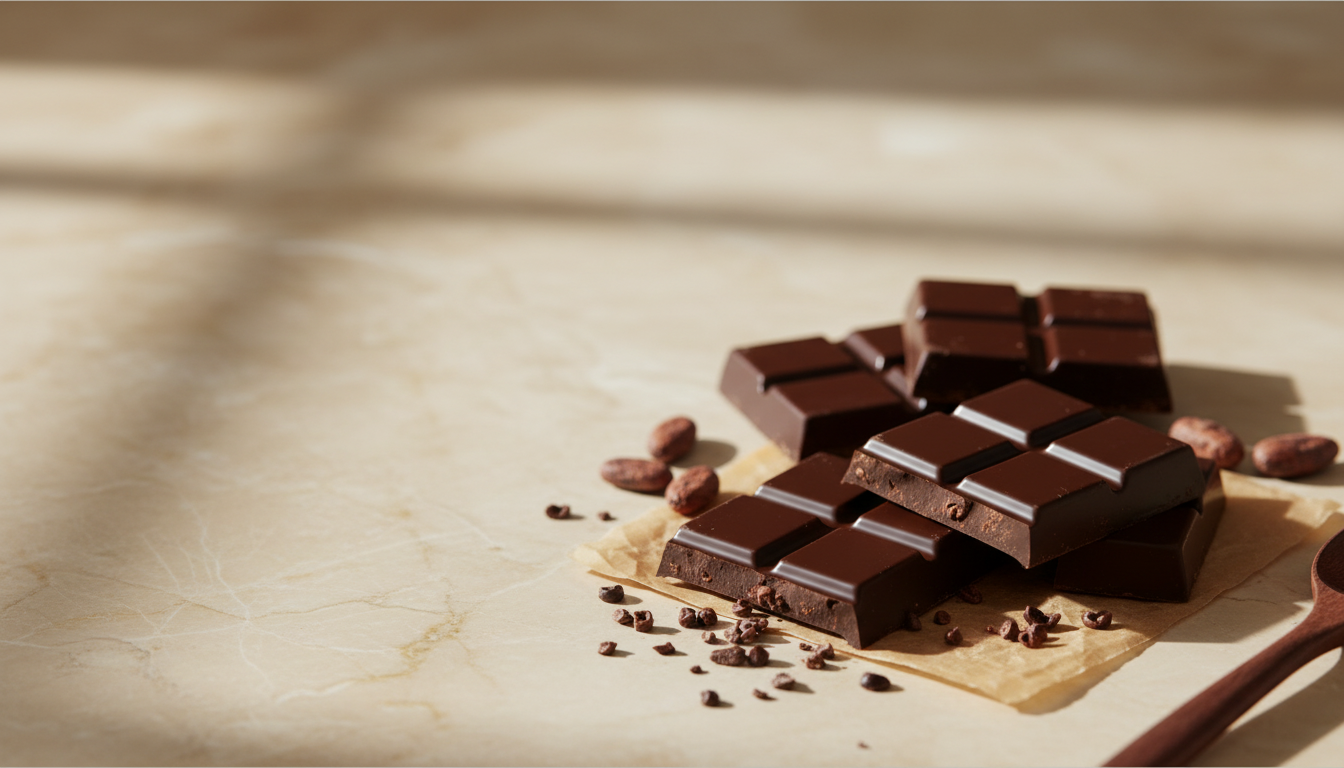
From bean-to-bar ethics to blockchain traceability, this ultimate guide demystifies fancy chocolate by revealing how meticulous sourcing, small-batch craftsmanship, and terroir-driven flavors create a multisensory experience far beyond mass-market bars. Readers will learn to identify quality through short ingredient lists, decode certifications that truly protect farmers, and master professional tasting techniques—timing, temperature, and palate-cleansing rituals—that unlock evolving notes of berries, tobacco, or lavender naturally embedded in single-origin cacao. The article explores 2025’s leading trends: health-conscious low-sugar formulations, immersive multisensory events, digital storytelling via QR and AR packaging, and limited seasonal collections that turn chocolate into collectible art. Practical advice covers optimal storage at 60–68 °F, responsible online purchasing strategies, and elegant plating and pairing rules—whether marrying dark chocolate with Parmigiano or bourbon—so enthusiasts can serve, gift, and savor premium chocolate with confidence and conscience.
Defining Fancy Chocolate: Quality, Craftsmanship, and Heritage
Fancy chocolate is the slow-food revolution in cocoa: heirloom beans, transparent trade, and time-honored, small-batch craftsmanship that lets terroir-driven flavors—berry, citrus, tobacco, floral—unfold like a vintage wine in your mouth.
Core Attributes That Set Fancy Chocolate Apart
Fancy chocolate distinguishes itself through meticulous bean selection, with artisans sourcing premium cacao from specific growing regions rather than using commodity beans [1]. Unlike mass-produced chocolate with artificial additives, quality artisan chocolate contains natural, organic ingredients that deliver richer flavor profiles [1]. Production involves small-batch, handcrafted methods where artisans control every step from roasting to tempering, contrasting sharply with automated commercial processes [1] [3].
This hands-on approach creates distinctive textures and complex flavor notes ranging from bright berries and citrus to earthy tobacco or floral undertones—all naturally occurring from the bean itself, not artificial flavorings [2]. The concept of terroir—how soil composition, rainfall, altitude, and surrounding vegetation influence flavor—plays a crucial role, similar to wine or coffee [2]. Ethical sourcing practices and direct relationships with farmers further define fancy chocolate, ensuring fair compensation while supporting sustainable farming communities [3].
The resulting product offers a sensory experience that rewards slow, intentional tasting, revealing layers of flavor that evolve as the chocolate melts [2].
Historical Milestones in Premium Chocolate Making
The journey of premium chocolate spans over five millennia, beginning when the cacao tree was domesticated in present-day Mexico around 5,000 years ago. Initially revered by Mayans and Aztecs as a sacred drink for elites and ceremonies, chocolate remained exclusively a beverage until the 19th century [4]. The Spanish introduced cacao to Europe after encountering it in 1519, where it gradually transformed from medicine to luxury drink among aristocracy [4]. The 1800s marked chocolate's industrial revolution—in 1828, Coenraad van Houten created the Dutch cocoa process that separated cocoa butter from chocolate liquor, enabling mass production [4]. J.
S. Fry & Sons produced the first chocolate bar in 1847, fundamentally changing consumption patterns [4]. Swiss innovation followed with Daniel Peter inventing milk chocolate in 1875 by combining powdered milk with chocolate [4]. Perhaps the most critical quality advancement came in 1879 when Rodolphe Lindt invented conching—heating and agitating liquid chocolate for days—transforming gritty chocolate into the smooth, refined texture now associated with premium products [4]. The early 20th century introduced several refinements: couverture chocolate in 1925 by Belgian Octaaf Callebaut, formal tempering processes by 1931, and white chocolate from Nestlé in 1936 [4].
The modern craft chocolate movement began in 1984 with single-origin chocolates, emphasizing bean provenance rather than blends [4]. This trend advanced further when Valrhona introduced vintage-dated chocolate from a Trinidadian plantation in 1998, applying wine concepts to chocolate production [4]. These innovations collectively elevated chocolate from commodity to connoisseur product, establishing the foundation for today's premium chocolate market [4].
Artisan Ingredients and Sustainable Sourcing
Artisan ingredients and sustainable sourcing
The foundation of fancy chocolate begins with carefully selected ingredients that reflect both quality and ethical considerations. Artisan chocolatiers prioritize premium cocoa beans from specific regions along the "Cocoa Belt" that spans 20 degrees north and south of the equator, with each area producing distinctive flavor profiles [5]. Unlike mass-production methods, fancy chocolate makers establish direct relationships with farmers, eliminating exploitative middlemen while ensuring fair compensation and sustainable agricultural practices [5].
This direct-trade model creates traceability while supporting farming communities through fair wages, improved working conditions, and environmental conservation efforts [6]. The terroir—how soil composition, elevation, rainfall patterns, and temperature shape flavor—becomes a defining feature of fancy chocolate, with beans from Ecuador typically delivering fruity and floral notes while Ghanaian beans offer bold, earthy tones [5]. Beyond cocoa, artisan makers use minimal additional ingredients, typically just cane sugar and occasionally cocoa butter or milk, avoiding artificial additives, preservatives, and unnecessary fillers that mask the beans' natural character [6].
Research shows craft chocolate producers across Europe, North America, and Australia/New Zealand diversify their sourcing strategies more than their counterparts in other regions, with many prioritizing quality assessment over price when selecting beans [7]. This commitment to ethical sourcing extends to environmental practices, with many producers selecting farms that maintain biodiversity, protect soil health, and employ organic cultivation methods that contribute to the chocolate's complexity and integrity [5].
How to Differentiate Authentic Fancy Chocolate from Mass‑Market Products
How to differentiate authentic fancy chocolate from mass‑market products
Authentic fancy chocolate reveals itself through the ingredient list—look for short, transparent labels with only cacao beans, sugar, and perhaps cocoa butter, avoiding products with vegetable oils, artificial flavors, and excess emulsifiers [8]. Examine the packaging for specific bean origin information, tasting notes, and ethical sourcing details rather than flashy branding without substance [9]. Flavor provides the clearest distinction: mass-market chocolate prioritizes sweet uniformity while fancy chocolate showcases complex, evolving flavor notes specific to the bean's origin—fruity, floral, nutty, or earthy characteristics that reflect terroir [9].
The texture should deliver a slow, deliberate melt that releases layered flavors rather than the quick, slick mouthfeel common in commercial bars with added lecithin [9]. Transparency marks premium products, with makers often detailing their bean-to-bar process, farmer relationships, and production techniques on packaging or websites [9]. Commercial brands typically lead ingredients with sugar rather than cacao, indicating you're buying "sugar flavored with cacao, not cacao enhanced with sugar" [8].
Premium chocolate typically costs significantly more because makers pay farmers up to eight times commodity rates while investing in small-batch processing that preserves bean character rather than homogenizing flavor through industrial methods [8]. Finally, quality chocolate should satisfy with a small amount—the complex flavors encourage mindful tasting rather than the addictive sugar rush that drives consumption of mass-produced bars [8].
The Diverse Spectrum of Fancy Chocolate Varieties
Single-origin chocolate turns every bar into a passport—one bite of Madagascar’s citrus-berry burst or Venezuela’s wine-spice depth instantly transports you to that farm, that soil, that season, while direct-trade sourcing puts more money in the grower’s pocket and lets you taste the landscape’s true fingerprint.
Single‑Origin Bean‑To‑Bar Expressions
Single-origin bean-to-bar chocolate uses cacao beans exclusively from one specific geographic location—a country, region, or even a single farm—preserving the unique character of each source [10]. This approach differs fundamentally from blended chocolates, which combine beans from various regions to create uniform profiles and consistency [11]. The flavor of single-origin chocolate reflects its terroir—the environmental factors like soil composition, climate, and altitude that shape the beans' natural characteristics [10].
These regional signatures create distinctive taste experiences: Madagascar cacao often delivers bright citrus and berry notes, Venezuelan beans reveal wine-like depth with hints of spice, while Peruvian beans typically express floral and nutty tones [10]. Master chocolate makers adjust their techniques to highlight each origin's inherent qualities, carefully roasting, grinding, and conching the beans to extract their nuanced flavors [10]. This attention to provenance creates a multisensory experience where flavors unfold progressively—starting with dominant initial notes, developing into more complex middle tones, and concluding with a distinctive finish that lingers [12].
Award-winning single-origin bars showcase this diversity of expression, with Norwegian maker Vigdis Rosenkilde's Kiteni 70% earning recognition as 2023's Best Dark Chocolate and German producer Meybol Cacao garnering multiple awards for their Peruvian bean expressions [10]. While blended chocolate aims for balanced, familiar profiles, single-origin bars invite deeper exploration—connecting tasters directly to specific growing regions through flavor, creating an experience that feels more transparent and personal [11]. This clarity of origin reveals the hands of both farmer and chocolate maker, often reflecting direct trade relationships that encourage fair pricing and environmental stewardship [11].
Botanical, Spice, and Exotic Flavor Infusions
Artisan chocolatiers elevate fancy chocolate through creative botanical, spice, and exotic infusions that transform traditional bars into sensory adventures. Latin American makers incorporate regional heritage with chili peppers, cinnamon, and nutmeg, creating bars that deliver both warmth and complexity [13]. European craftspeople integrate lavender from France, Spanish saffron, and Italian balsamic vinegar to develop sophisticated flavor profiles that complement rather than mask the chocolate's inherent qualities [13]. Asian influences bring floral cherry blossom, zesty lemongrass, and vibrant matcha to chocolate, introducing aromatic dimensions that challenge conventional expectations [13].
African-inspired creations feature indigenous ingredients like baobab fruit and hibiscus, connecting consumers directly with regional terroir while supporting local agricultural traditions [13]. The most successful infusions don't overpower the chocolate's natural characteristics—they enhance and amplify them, drawing out subtle notes that might otherwise remain undetected [2]. Sea salt sharpens cacao's natural bitterness while intensifying sweetness; chili introduces lingering warmth that unfolds gradually; and herbs like lavender or rosemary add aromatic complexity that transforms each bite [2]. Experimental makers push boundaries further with unconventional pairings like blue cheese, fermented fruits, or pink peppercorns that create surprising flavor contrasts within the chocolate [2].
These inclusions require precise balancing—makers must adjust roasting profiles, sugar content, and conching time to ensure both chocolate and infusions achieve harmony without compromising the integrity of either component [2]. The resulting bars don't merely follow trends; they represent chocolate as an evolving culinary medium capable of expressing both cultural heritage and forward-thinking innovation.
Limited‑Edition Seasonal Collections
Limited-edition seasonal collections transform chocolate into collectible, time-sensitive experiences that capture distinct moments throughout the year. Premium makers like Hotel Chocolat develop flavor profiles that align with seasonal ingredients—combining pumpkin and warming spices for fall, citrus with caramel for winter, or matcha for spring releases [14]. These collections serve as flavor archives documenting annual transitions while creating anticipation through their temporary availability.
Award-winning chocolatiers at Rococo change their lineup quarterly, with each release handcrafted in small batches by dedicated artisans whose work has earned recognition from the Academy of Chocolate and International Chocolate Awards [16]. These collections often showcase innovative packaging alongside exceptional ingredients—like Spring & Mulberry's annual artist-collaboration gift sets featuring watercolor plaid boxes designed by Brooklyn illustrator Phthalo Ruth that house date-sweetened, direct-trade, single-origin chocolate [15]. Brands frequently incorporate cultural traditions into their seasonal offerings, with Valerie Confections creating Chanukah assortments featuring menorah truffles and champagne-infused specialties, while Compartes produces holiday-themed collections for Christmas celebrations [15].
These limited releases often function as laboratories for innovation, allowing chocolatiers to experiment with unconventional flavor combinations before potentially adding successful varieties to permanent collections. The ephemeral nature of these products creates urgency among chocolate enthusiasts who recognize that missing a seasonal release means waiting until next year—if the specific collection returns at all.
Vegan and Plant‑Based Luxury Chocolate Options
The vegan chocolate market has transformed from niche to mainstream, growing from $681 million in 2018 to $1. 2 billion today, with projections reaching $3. 8 billion by 2033—a 12% annual growth rate [18]. This expansion reflects both ethical concerns and changing taste preferences as manufacturers solve the fundamental challenge of creating plant-based chocolate with the luxurious mouthfeel consumers expect.
Premium vegan chocolate makers focus on ingredient quality rather than merely substituting dairy, using carefully selected plant-based alternatives like oat milk, almond milk, and coconut oil to achieve the rich creaminess traditionally delivered by milk fat [18]. Technical innovation has yielded significant breakthroughs in texture, with cocoa butter, shea butter, and plant-based lecithins enhancing smoothness while proper particle size refinement eliminates the graininess that plagued early vegan offerings [18]. Major luxury brands including Lindt and Nestlé have entered this market with high-end plant-based alternatives, recognizing that the appeal extends beyond strict vegans to include flexitarians and health-conscious consumers seeking ethical indulgence [19]. The most successful products offer something beyond mere substitution—artisanal makers emphasize handcrafted, small-batch production using ethically sourced cacao, creating chocolate that stands on its own merits rather than as an imitation [18].
Beyond simple bars, the luxury vegan chocolate segment now spans premium bakery applications, ganache fillings, decorative elements, and chocolate-coated specialty items that rival their conventional counterparts in both appearance and taste [18]. This growth reflects broader societal shifts toward sustainable consumption, with ethically sourced ingredients and eco-friendly packaging becoming key purchase drivers for environmentally conscious consumers, particularly among millennials and Gen Z [17].
2025 Innovations and Trends Shaping Fancy Chocolate
Blockchain and satellite tracking now let you scan a chocolate bar to verify it’s deforestation-free, ethically sourced, and aligned with your health and sustainability values.
Transparent Traceability and Blockchain Provenance
Blockchain technology is revolutionizing fancy chocolate by creating unbroken digital records of each bean's journey from farm to bar. This immutable, decentralized ledger system allows consumers to verify exactly where their chocolate originated, how farmers were compensated, and whether production met ethical standards [20]. With 78% of consumers now seeking indulgence with natural ingredients and one-third willing to pay more for sustainably sourced products, brands are investing in digital traceability tools that prove—rather than merely claim—ethical sourcing [20].
The EU Deforestation Regulation has accelerated this shift by requiring chocolate makers to demonstrate their cocoa is deforestation-free, transforming transparency from competitive advantage to legal necessity [21]. Companies now employ sophisticated systems combining satellite imagery, GPS mapping, and QR codes that consumers can scan to instantly access a chocolate bar's complete history and sustainability credentials [21]. This technology addresses longstanding industry challenges including child labor, environmental damage, and farmer exploitation by making it impossible to hide unethical practices within complex supply chains [22].
Forward-thinking chocolate makers are integrating blockchain with IoT sensors and AI-powered satellite monitoring to create comprehensive traceability ecosystems that detect problems before they escalate [21].
Low‑Sugar Formulations and Alternative Sweeteners
Health-conscious chocolate consumption is driving significant innovation in sugar reduction, with 78% of North American consumers seeking chocolate that delivers beyond taste to align with health goals [23]. The resulting market transformation positions low-sugar formulations as a core component of the "healthy indulgence" trend rather than a niche offering [17]. Leading chocolatiers are developing sophisticated alternatives to refined sugar that maintain premium taste experiences—employing fruit-derived sweeteners, monk fruit extract, stevia, and even upcycled cocoa fruit pulp as natural substitutes [17].
These innovations address consumer demand without compromising the sensory pleasure central to chocolate's appeal. Beyond simple sugar reduction, brands are implementing functional ingredients that contribute positive health attributes while balancing sweetness profiles [17]. The technical challenge lies in maintaining chocolate's characteristic mouthfeel and melting properties when altering traditional sugar ratios—a hurdle premium makers overcome through advanced conching techniques and particle size engineering [24].
This evolution reflects broader market patterns where health-forward chocolate is expanding beyond specialty shops into mainstream premium segments, with expectations that the health-conscious chocolate category will continue significant growth through 2025 and beyond [24].
Immersive Sensory Experiences and Pop‑Up Tastings
Chocolate is transforming from mere confection to immersive experience, with consumers increasingly seeking multi-sensory encounters that engage all senses. According to industry forecasts, emotionally engaging chocolate experiences that combine nostalgia, novelty, and interactivity represent a major growth area, with searches for "unique dessert shop near me" jumping 100% in 2025 [25]. Successful chocolate experiences now incorporate textural contrasts—from smooth ganaches paired with crisp wafer layers to bars studded with caramelized nuts—creating sensory journeys that make products memorable beyond taste alone [26].
Pop-up tastings have emerged as a powerful marketing tool, with luxury chocolatiers creating limited-time sensory installations where visitors can engage with chocolate through sight, sound, touch, and smell before tasting. Forward-thinking brands use controlled lighting, curated music, and even interactive digital elements to heighten perception of flavor notes, with research showing these environmental factors significantly influence taste perception [25]. Storytelling has become essential to these experiences, with makers sharing bean origin stories, sustainable farming practices, and traditional production methods to create emotional connections between consumers and products [25].
The rise of textural innovation reflects this trend, with 71% of global consumers reporting they enjoy foods with interesting mouthfeel or sensory appeal, driving creative combinations like chocolate shells revealing creamy, crispy, or gooey textures that create social media-worthy moments [26]. This shift from passive consumption to active participation has generated demand for chocolate experiences that leave lasting impressions—transforming what was once a simple indulgence into a memorable event worth seeking out and sharing [25].
Digital Storytelling: QR Codes, AR, and NFT Packaging
Digital storytelling technologies are revolutionizing how premium chocolate brands engage consumers beyond the physical product. QR codes embedded in packaging now create seamless connections to origin stories, with consumers scanning to witness cacao's journey from specific farms to finished bars [27]. These digital gateways transform simple packaging into interactive storytelling platforms that verify ethical sourcing claims—particularly important as 33% of consumers will pay more for sustainably packaged chocolate [27].
Augmented reality experiences take engagement further by overlaying visual content when packaging is viewed through smartphone cameras, with some brands offering virtual orchard tours that transport consumers to origin locations without leaving home [27]. Forward-thinking chocolate makers combine these technologies with blockchain verification systems, ensuring transparency in an industry where consumers increasingly demand accountability [20]. The most innovative brands are leveraging NFT (non-fungible token) packaging concepts, offering limited-edition digital collectibles that accompany physical chocolate purchases, creating new avenues for brand loyalty while transforming packaging into both physical and digital artifacts [17].
These technologies aren't merely decorative additions—they represent strategic tools for demonstrating authentic commitment to sustainability while creating multidimensional brand experiences that justify premium pricing [17].
The Art and Science of Tasting Fancy Chocolate
Set yourself up for chocolate-tasting success by timing it mid-morning in a quiet, unscented room, letting samples come to room temperature, lining them up from light to dark, and cleansing your palate with sparkling water between bites so you can catch every fleeting fruit or earthy note.
Preparing the Palate and Optimal Serving Conditions
Creating optimal tasting conditions begins with timing and environment. Schedule your tasting for mid-morning when sensory perception peaks, in a quiet space free from competing aromas and distractions [30]. Prepare your palate by avoiding food, coffee, and flavored beverages for at least one hour before tasting, and skip scented products like perfume, lotion or strongly scented soaps that can interfere with chocolate's delicate aromas [28].
For serving, ensure all chocolate samples have reached room temperature—never chilled—which allows full flavor development and proper mouthfeel evaluation [28]. Arrange samples from lightest to darkest percentage, moving from milk to progressively darker varieties to prevent stronger chocolates from overwhelming subtler flavors [29]. Have appropriate palate cleansers ready: room temperature sparkling water works best according to experts, though plain crackers or bread slices are also effective [28].
Use the same cleanser consistently between samples to avoid introducing new flavors [29]. The physical setup matters too—provide good lighting to observe chocolate's shine and color, use neutral-colored plates or surfaces that won't influence visual perception, and ensure samples are broken rather than cut, as breaking releases aromatic compounds that enhance the tasting experience [28]. These seemingly minor preparations dramatically impact your ability to detect the full spectrum of flavors in fine chocolate, from bright fruit notes to complex earthy undertones [30].
Step‑By‑Step Sensory Evaluation Framework
Professional sensory evaluation of fancy chocolate follows a systematic approach that engages all five senses. Begin with visual assessment, examining the chocolate's color—ranging from golden brown to deep black—which indicates cacao percentage, origin, and roasting levels [31]. Observe surface texture; quality chocolate should appear smooth and glossy, revealing proper tempering [33]. Next, evaluate the snap—break the chocolate and listen for a clean, crisp sound that confirms structural integrity and proper crystallization [31].
When tasting, place a piece on your tongue and let it melt without chewing to identify flavor profiles and texture [31]. As it melts, assess primary taste sensations (sweet, bitter, salty, sour, umami) while noting the chocolate's mouthfeel—smooth or grainy, quick-melting or lingering [33]. For the most critical step, engage your olfactory sense through retro-olfaction by exhaling through your nose while the chocolate melts, which releases over 500 potential aromatic compounds [31]. To sharpen perception, practice sensory deprivation techniques: close your eyes to eliminate visual bias or temporarily block your nose to distinguish between taste and aroma [32].
For optimal evaluation, maintain a neutral environment free of competing smells, avoid consuming strong flavors (coffee, cigarettes, spicy foods) at least one hour before tasting, and conduct blind tastings by coding samples to prevent packaging or brand influence [33]. When evaluating multiple samples, begin with lighter, less intense chocolates before progressing to darker varieties to prevent palate fatigue [31].
Recording Notes and Building a Tasting Journal
Documenting your chocolate tasting experiences transforms casual enjoyment into deeper appreciation while building a personal flavor archive. Tracking your impressions helps identify preferences and develops your palate, as chocolate educator Estelle Tracy discovered when limiting herself to focused, four-minute tastings: "by letting a chocolate square melt slowly and paying attention, I was able to distinguish the nuances of a bar. More importantly, when I took my time to try to identify flavors, I remembered it better" [34]. Start with a simple template capturing basic information: chocolate maker, cacao percentage, origin, and tasting date.
As your experience grows, add details about aroma, texture, flavor progression, and finish. Several specialized tools can enhance your documentation process—Eagranie Yuh's Chocolate Tasting Kit includes 100 tasting sheets and flashcards to build vocabulary beyond "yummy" and "delicious" to more precise descriptors [34]. For visual thinkers, Hazel Lee's Taste with Colour map provides a color-coded system associating flavors with specific hues, offering an intuitive alternative to traditional note-taking [34]. The International Institute of Chocolate & Cacao Tasting offers a scientifically-developed Flavor Profile Map based on neural network models of how the brain processes chocolate flavors—the result of over ten years of research and thousands of evaluations [36].
Free downloadable worksheets from Science of Chocolate can be paired with flavor wheels to structure tastings with friends and family [35]. Whether digital or physical, your journal becomes more valuable over time, revealing how your preferences evolve while creating a searchable library of experiences to guide future purchases and pairings.
Tools, Apps, and Professional Resources for Connoisseurs
Technology and specialized tools can transform casual chocolate enjoyment into connoisseur-level appreciation. Digital flavor wheels help identify subtle taste notes—download free options from Bean to Bar World or explore science-backed resources like the International Institute of Chocolate & Cacao Tasting's Flavor Profile Map, developed over ten years using neural network models of how the brain processes chocolate flavors [37]. Unlike arbitrary flavor wheels, this map organizes flavors based on statistical analysis of thousands of evaluations, creating a logical, intuitive system now used for judging at the International Chocolate Awards [36].
For structured learning experiences, premium chocolatiers often develop comprehensive tasting kits featuring single-origin selections and expert guidance. Drawing from generations of chocolate-making expertise, andSons Chocolatiers brings Beverly Hills sophistication to the tasting experience, combining time-honored European techniques with modern California creativity.
Professional certification programs provide deeper knowledge—the International Institute offers multi-level courses culminating in certification, while many established chocolatiers publish educational resources covering proper tasting techniques [38]. For home practice, downloadable worksheets from Science of Chocolate help structure personal tastings and track flavor development over time [37].
Pairing and Presentation Mastery for Fancy Chocolate
Master chocolate pairing by balancing complementary or contrasting flavors—let dark chocolate melt on your tongue before sipping fruity red wine, pair robust espresso with milk chocolate for sweet-bitter harmony, and match bourbon's caramel notes with creamy varieties while considering origin characteristics from South American berry notes to earthy African beans.
Wine, Spirit, and Coffee Pairing Guidelines
The key to successful beverage pairings lies in balancing complementary or contrasting flavor profiles with chocolate's complex notes. For wine, match intensity levels—fruity red wines enhance dark chocolate's character while sweet wines like Pedro Ximénez complement milk chocolate and caramel notes [39]. When serving, let the chocolate melt on your tongue before sipping wine to allow flavors to mingle harmoniously [40]. Coffee pairings create intensity through strategic contrast: robust espressos highlight milk chocolate's sweetness while aromatic coffee varieties complement dark chocolate's complexity [39].
The interplay between coffee's bitterness and chocolate's creaminess achieves perfect balance with each alternating taste [39]. Spirits offer unique pairing opportunities—bourbon's caramel notes enhance milk chocolate while aged rum's complexity complements single-origin dark varieties with fruity undertones. For all pairings, consider the chocolate's origin characteristics: South American beans with bright berry notes pair differently than earthy African varieties. Drawing from generations of European chocolate-making tradition combined with contemporary Los Angeles creativity, andSons' collection of modern and classic bonbons demonstrates how traditional pairing principles evolve through innovation. The most effective approach combines thoughtful matching with personal experimentation, as individual preferences ultimately determine the most satisfying combinations [39].
Cheese, Fruit, and Nut Complementary Matches
Pairing chocolate with complementary foods follows the "like with like" rule—match items with similar strength and flavor profiles. Parmigiano Reggiano's robust nuttiness pairs perfectly with dark chocolate containing almonds, while the creaminess of Brie softens dark chocolate's bitterness, especially when enhanced with sea salt [41] [43]. Blue cheese's pungent saltiness finds harmony with caramel milk chocolate or fig-infused dark varieties, creating balanced contrast between sharp and sweet elements [42] [43]. For lighter options, tangy goat cheese complements the soft sweetness of white chocolate, particularly when brightened with citrus notes like lemon zest [42] [43].
Aged cheeses develop crystalline texture and complex flavors—nutty Gouda enhances hazelnut-infused chocolate by amplifying shared flavor compounds [42] [43]. The earthiness of Manchego balances perfectly with chili-infused dark chocolate, creating warmth that enhances the cheese's grassy notes [43]. For fruits, figs provide earthy sweetness that tames blue cheese's boldness while berries brighten dark chocolate's intensity [42]. Tart fruits like apples create refreshing contrast against buttery white chocolate, while stone fruits complement milk chocolate varieties [42].
Among nuts, almonds enhance dark chocolate's complexity and emphasize nutty notes in aged cheeses, while walnuts provide bitter complexity that balances sweeter milk chocolate pairings [42]. When building pairings, serve everything at room temperature to unlock full flavor potential and provide neutral palate cleansers between tastings to preserve each combination's distinct character [43].
Elegant Plating, Garnishes, and Serviceware
Elevating chocolate presentation transforms a simple tasting into a multisensory experience through thoughtful plating. Professional chocolate presentations rely on the psychology of color—pairing dark chocolate with vibrant berries or edible flowers creates visual contrast that enhances perceived flavor intensity [44]. The principle of negative space proves essential; overcrowding plates diminishes impact, while strategic placement with sufficient empty space draws attention to chocolate's glossy finish and intricate details [45]. When working with multiple elements, position the main chocolate component slightly off-center on the lower half of the plate—this golden rule creates natural visual flow while providing space for complementary garnishes [45].
Height variation adds dimension through chocolate shards placed vertically, tempered decorations, or stacked components that transform flat presentations into architectural compositions [45]. For garnishing, select elements that enhance rather than compete with chocolate flavors—mint leaves complement dark chocolate's bitterness, gold leaf adds luxury without affecting taste, and carefully selected edible flowers introduce aromatic qualities that heighten the tasting experience [44]. Apply sauces with precision using squeeze bottles to create deliberate patterns—dots, streaks or brushstrokes that frame the chocolate rather than overwhelming it [44]. The choice of serviceware significantly impacts presentation success—white or neutral plates provide ideal contrast against chocolate's rich colors, while plate shape influences perception: round plates convey comfort, rectangular plates suggest modern sophistication [45].
The material matters too; porcelain's smooth surface highlights chocolate's textures differently than rustic stoneware, which adds warmth to the presentation [45]. For formal tastings, maintain consistency in serviceware to focus attention on the chocolate's qualities rather than plate variation [46].
Designing a Sophisticated Fancy Chocolate Tasting Event
Creating an unforgettable chocolate tasting event requires orchestrating every detail to enhance your guests' sensory journey. As discussed in "The Art and Science of Tasting Fancy Chocolate," proper environmental conditions and systematic evaluation techniques form the foundation—here we focus on elevating these principles into a curated social experience. Begin by establishing an elegant atmosphere with thoughtful lighting that showcases chocolate's lustrous finish while neutral-colored surfaces prevent visual interference [47].
Transform the progression into a narrative journey, introducing each chocolate with its origin story and maker's philosophy, building anticipation as guests move from delicate milk chocolates to intense single-origin dark varieties [47]. Enhance the experience with custom tasting cards that guide discovery while leaving space for personal impressions—consider including flavor wheels or visual cues that make evaluation accessible yet sophisticated [47]. Between samples, offer carefully selected accompaniments that complement rather than compete: sparkling water remains ideal, though plain crackers or bread provide textural variety [47].
The art lies in pacing—allow sufficient time between tastings for discussion and reflection, creating moments where guests can share discoveries and build collective appreciation [47]. Consider featuring artisanal bonbons alongside traditional bars to showcase chocolate's versatility through different textures and flavor combinations, demonstrating the craft's full artistic range. Most importantly, limit selections to 5-7 exceptional pieces that tell a cohesive story, whether exploring regional variations, processing techniques, or innovative flavor pairings—quality and curation always surpass quantity in creating memorable experiences [47].
Buying, Storing, and Sustaining Fancy Chocolate Responsibly
Transform your chocolate habit into ethical impact by choosing bars that layer certifications like Fairtrade's $240-300/tonne organic premiums with direct-trade relationships from makers who manufacture in cocoa-growing countries and specify exact farm origins on their packaging.
Identifying Certified Fancy Chocolate Brands
The landscape of chocolate certifications can overwhelm even seasoned connoisseurs, yet understanding these markers transforms you from casual buyer to conscious collector. As explored in our section on sustainable sourcing, the most meaningful certifications go beyond mere labels—they represent verifiable commitments to farmer welfare and environmental stewardship. EU Organic certification demands 95% organic content, while USDA Organic enjoys recognition among 80% of U. S. households, both guaranteeing chocolate crafted without synthetic pesticides or GMOs [48]. Among ethical certifications, Fairtrade International distinguishes itself through concrete financial protections: guaranteed minimum prices ranging from $2.
68-3. 50 per kilogram depending on region, plus premiums of $240-300 per tonne for organic cocoa that shield farmers from market volatility [50]. In contrast, Rainforest Alliance certification—despite appearing on 51% of global cocoa—provides only a $70/tonne 'Sustainability Differential' without price guarantees, explaining its popularity among profit-focused mass producers [50]. For those seeking the highest ethical standards, advocacy groups like Slave Free Chocolate curate lists of over 90 brands demonstrating verified commitments to eliminating child labor, including notable craft makers like Divine and Pacari [49]. The most progressive chocolate makers layer multiple certifications with direct trading relationships—companies such as '57 Chocolate, Fairafric, MonChoco, and Chocolat Madagascar manufacture chocolate within cocoa-growing countries themselves, ensuring profits remain where beans originate [50]. Beyond formal certifications, scrutinize packaging details and company transparency.
Premium makers specify not just country but precise farm origins, processing methods, and harvest dates [50]. When evaluating options, seek products featuring cocoa as the primary ingredient rather than sugar, and investigate makers' websites for detailed farmer relationships and environmental initiatives that transcend marketing rhetoric [50]. At andSons Chocolatiers, our European heritage and Beverly Hills craftsmanship guide us in sourcing from producers who share our commitment to exceptional quality and ethical practices—values reflected in every handcrafted bonbon we create.
Online Versus Boutique Purchasing Strategies
Digital commerce has fundamentally altered how discerning chocolate lovers discover and acquire premium confections. The traditional "grab-and-go" culture of impulse purchases near checkout counters gives way online to deliberate, research-driven selections—transforming chocolate buying from spontaneous indulgence to curated experience [51]. This shift reveals stark contrasts between mass-market and specialty retail environments, each employing distinct strategies to influence consumer choices. Mass-market online retailers predominantly showcase products from the "Big Five" chocolate conglomerates (Mars, Hershey's, Nestlé, Ferrero, Cadbury), strategically deploying "Best Seller" badges that create self-reinforcing purchase patterns [51]. Premium craft brands, when offered, often appear only in bulk configurations at inflated prices, subtly steering shoppers toward mainstream options [51].
Conversely, specialty retailers like Whole Foods curate collections focused exclusively on ethically sourced, fair trade chocolates—their curation itself becomes a quality filter, eliminating mass-market options entirely [51]. Exclusivity serves as a powerful quality signal in the premium chocolate realm. Products readily available everywhere suggest commodity status, while those found only through specialty boutiques or directly from makers convey artisanal authenticity [52]. This perception fundamentally shapes purchasing patterns: nearly half of mainstream chocolate consumers rely on grocery stores, while only a quarter of premium chocolate enthusiasts do so, preferring instead the discovery process of specialty shops [52]. Without the tactile experience of boutique shopping, online chocolate connoisseurs develop sophisticated visual assessment skills.
They decode packaging elements—origin specificity, cocoa percentages, certification badges, metallic accents, and paper quality—as proxies for the sensory evaluation they cannot perform digitally [52]. These visual cues become especially critical when selecting gifts, where premium chocolate buyers consistently choose more exclusive, higher-quality options than for personal consumption [52]. The digital environment compensates for absent sensory experiences by offering unprecedented transparency into maker stories, bean sourcing journeys, and ethical commitments—narratives that resonate deeply with conscious consumers [52]. Whether shopping online or visiting boutiques, the key lies in understanding how each environment shapes your choices, allowing you to navigate both with equal sophistication in pursuit of exceptional chocolate experiences.
Optimal Storage Temperature, Humidity, and Shelf Life
Premium chocolate demands the same careful stewardship as fine wine—improper storage transforms silky textures into chalky disappointments and complex flavor profiles into stale memories. The ideal sanctuary maintains 60-68°F (with 65-68°F optimal) in a consistent environment, such as a cool pantry positioned away from heat sources and temperature fluctuations [53]. Humidity control proves equally critical: maintain levels below 50-55% to prevent sugar bloom, that telltale white powdery veil that emerges when chocolate absorbs ambient moisture [53][55]. Each chocolate variety possesses its own temperament and lifespan.
Dark chocolate, with its robust cocoa content, remains stable for up to two years when properly stored. Milk chocolate's dairy components reduce longevity to approximately one year, while white chocolate—composed primarily of delicate cocoa butter—should be savored within six months [53]. Filled chocolates and bonbons demand even more immediate attention, their fresh ingredients limiting enjoyment to mere weeks or months depending on their centers [53]. Resist refrigeration's siren call unless absolutely necessary—chocolate's porous nature readily absorbs neighboring aromas while condensation triggers devastating bloom [54].
Should temperatures exceed 70°F, create protective barriers by wrapping chocolate tightly before refrigerating, then exercise patience by allowing it to reach room temperature while still wrapped upon removal [54]. For extended preservation spanning 6-12 months, freezing becomes viable but demands careful choreography: transition through the refrigerator for 24 hours both when freezing and thawing to prevent temperature shock [54]. Remain vigilant for deterioration's warning signs: stale odors replacing chocolate's natural fragrance, grayish discoloration distinct from harmless bloom, gritty textures where smoothness once reigned, or off-flavors signaling oxidation's advance [53]. When stored with proper reverence—shielded from sunlight, strong scents, and temperature swings—premium chocolate maintains peak quality for over a year without refrigeration, rewarding patient collectors with perfectly preserved indulgence [55].
Eco‑Friendly Packaging, Recycling, and Upcycling Ideas
The evolution from conventional packaging to sustainable solutions represents chocolate's broader transformation toward conscious luxury. Traditional PET films and aluminum foils yield to innovative paper-based materials featuring metallized finishes—delivering both recyclability and the lustrous presentation premium chocolate deserves [57]. Forward-thinking brands embrace recyclable monofilms crafted from single materials like polypropylene, simplifying recycling while advanced sealing technologies preserve freshness without compromise [56]. Cardboard emerges as sustainability's versatile champion, boasting high recycling rates while serving dual purposes: protective cocoon for precious chocolates and elegant display medium through rigid board trays, shelf-ready configurations, and bespoke inserts [56].
Innovation extends beyond materials to process optimization—reducing material thickness, maximizing packing density, and creating economical die-cut patterns that extract maximum utility from every sheet [56]. Manufacturing integration revolutionizes efficiency by consolidating multiple packaging phases into fluid production lines. Pioneers like Hosta demonstrate how combining picking, flow-wrapping, and case packing within unified automated systems dramatically reduces plastic consumption while enhancing operational elegance [56]. For the environmentally conscious chocolate lover, packaging's lifecycle extends far beyond its initial purpose.
Transform elegant boxes into seedling nurseries with compostable inserts, repurpose decorative tins as repositories for homemade confections or aromatic spices—each reuse honoring both craftsmanship and conservation [58]. As discussed in our exploration of transparency trends, this holistic approach encompasses the entire chocolate journey, from ethical bean sourcing through mindful packaging design, with leading manufacturers employing machine learning to optimize material utilization at every stage [56]. The future of fancy chocolate packaging balances aesthetic excellence with environmental responsibility—proving that true luxury lies not in excess, but in thoughtful design that honors both the artisan's craft and our planet's resources.
- Single-origin bars showcase terroir-specific flavors like Madagascar's citrus or Venezuela's wine-like depth.
- Blockchain and QR codes now verify ethical sourcing from farm to bar, proving deforestation-free claims.
- Store dark chocolate at 60–68°F, <55% humidity to keep flavor up to 2 years without bloom.
- Short ingredient lists (cacao, sugar, cocoa butter) signal quality; avoid oils and artificial flavors.
- Mid-morning tastings in neutral settings maximize sensory perception of evolving flavor layers.
- Vegan chocolate market is projected to hit $3.8B by 2033, driven by oat and coconut milk bases.
- Fairtrade guarantees farmers $2.68–3.50/kg plus organic premiums, far above Rainforest's $70/tonne.
- https://jpatricechocolatestudio.com/blogs/news/artisan-chocolates-their-production-qualities-types-more?srsltid=AfmBOooasgcuLThBTLXiByFrNyckOoYGAiaZxx14Om0Rj0DzoTwUW-3l
- https://amanochocolate.com/beyond-milk-and-dark-exploring-the-range-of-artisanal-chocolate-flavors/
- https://www.markys.com/blog/from-sacred-cacao-to-artisan-confection-the-luxury-chocolate-journey?srsltid=AfmBOorTDP55OFO4tCzdphR7UfTWepSzpzMlECbG39pWNzDA0tJ5qqrP
- https://en.wikipedia.org/wiki/History_of_chocolate
- https://www.wisemanhousechocolates.com/blog/the-journey-of-artisan-chocolate-from-sustainable-sourcing-to-exquisite-creations
- https://amanochocolate.com/from-bean-to-bar-the-journey-of-crafting-artisan-chocolate/
- https://www.sciencedirect.com/science/article/pii/S2666154321000247
- https://mahoganychocolate.com/craft-chocolate-vs-commercial-chocolate/
- https://chocolateaffairsmagazine.com/artisan-vs-commercial-chocolate/
- https://hellochocolate.com/blogs/journal/single-origin-chocolate-guide?srsltid=AfmBOorUow6S8HFaF5thGfs1_gg3Ao2dJ9mJljFrc8pBYYSx-1fOc8mD
- https://amanochocolate.com/single-origin-vs-blended-understanding-the-distinction-in-chocolate-crafting/
- https://www.zotterusa.com/discover-the-rich-world-of-single-origin-chocolate-online/?srsltid=AfmBOop0rQOEEZyo-0jWl6xZHFmGQgOdS2sNfXXPv4m9WawFTMwQC4pc
- https://www.acacaoaffair.com/blogs/atlanta-chocolatier-blog/1276218-the-most-unique-chocolate-flavors-from-around-the-world
- https://www.gourmetpro.co/blog/top-global-chocolate-trends
- https://ovgrp.com/insights/vegan-chocolate-market
- https://www.confectionerynews.com/Article/2024/05/08/top-11-vegan-chocolate-trends/
- https://lukerchocolate.com/en/knowledge-base/chocolate-confectionery-trends
- https://thetraceabilityhub.com/europe-supply-chains-cocoa-coffee-traceability/
- https://chocolateaffairsmagazine.com/blockchain-technology/
- https://www.barry-callebaut.com/en-US/trends-insights/top-chocolate-trends
- https://www.santabarbarachocolate.com/blog/top-chocolate-trends-2025/?srsltid=AfmBOooUH7_NM_3l3UpCV7KmUdbzV9kvKXy8IjCR-r6s1ZR9HwNnuj2Q
- https://www.tastetomorrow.com/inspiration/hottest-chocolate-trends
- https://www.tastingtable.com/1861955/biggest-chocolate-trends-so-far-2025/
- https://brillpack.com/luxury-chocolate-packaging-design/
- https://www.thechocolateprofessor.com/blog/experts-6-tips-for-tasting-craft-chocolate
- https://cookienameddesire.com/how-to-host-a-chocolate-tasting/
- https://kekao.co/blogs/chocolate-purveyors/how-to-taste-chocolate
- https://valrhona-collection.us/blogs/news/how-to-taste-chocolate-tips-and-tricks?srsltid=AfmBOorwxttKQ-hxmwpkXdHbnKWEL1yww7u7J5NrX-PgAptekD1zwFFj
- https://perfectdailygrind.com/2017/06/evaluate-cacao-chocolate/
- https://www.puratos.us/en/blog/how-to-describe-chocolate-like-a-professional
- https://37chocolates.com/2017/10/04/chocolate-tasting-guides/
- https://scienceofchocolate.com/pdf-downloads/tasting-worksheet?srsltid=AfmBOorFKdn338my3rZ77N5-2PUbVan-9P5AFT83XOVHMnMhzDy0mCUP
- https://www.chocolatetastinginstitute.org/chocolate-and-cacao-flavor-profile-map/
- https://scienceofchocolate.com/tasting-tools?srsltid=AfmBOoqVTZYdljwJX1xrxbN7-CiN5wtampJrIdSEYwsEHmj-NB0gFaB6
- https://www.thechocolateprofessor.com/blog/how-flavor-wheels-tasting-tutorials-amp-tasting-kits-can-help-you-taste-chocolate
- https://abuelailichocolates.com/en/the-art-of-pairing-chocolate-with-coffee-tea-and-wine/
- https://www.zotterusa.com/a-flavor-guide-to-pairing-zotter-chocolates-with-wine-coffee-and-tea/?srsltid=AfmBOoq5ub61Zpq3IG0neiNNz2WU6nRgOkIPcvGv4R0eB-a6XZKZ62Yw
- https://dallmannconfections.com/blogs/chocolate/the-best-cheese-and-chocolate-pairings-you-need-to-try?srsltid=AfmBOooLa62w3oanQUIO4n2VI1es8Vsle_AydGA5LJrYquYrrofq_yGl
- https://www.fabsweetcreations.com/fab-sweet-creations-news/guide-stylish-dessert-plating/
- https://corbyhall.com/the-art-of-plating-creating-visual-masterpieces-in-the-restaurant-industry/
- https://cmjjgourmet.com/blog/5-fresh-ideas-for-creative-dessert-plating/?srsltid=AfmBOopnxoBPLeAE5OjnZ82M-xD0nRoqDza5QRdUTmPHQ4TbkYIUgo5t
- https://www.chocofest.ca/the-ultimate-guide-to-chocolate-tastings-how-to-taste-like-a-pro/
- https://chocolateclass.wordpress.com/2017/05/05/online-shopping-and-its-impact-on-the-chocolate-industry/
- https://pmc.ncbi.nlm.nih.gov/articles/PMC7641343/
- https://www.wisemanhousechocolates.com/blog/how-should-gourmet-chocolate-be-stored
- https://www.lakechamplainchocolates.com/how-to-store-chocolate/
- https://totallychocolate.com/blog/how-to-store-chocolate-properly-and-extend-its-shelf-life/?srsltid=AfmBOooLJuD6CUCBJHqQCxbh3If1LkaqvBrnk1seih4Il5EB12mH_xvS
- https://www.schubert.group/en/sustainability/industries-sustainable-chocolate-packaging/
- https://www.packle.io/sustainable-chocolate-packaging
- https://www.zdpackagingbox.com/top-100-sustainable-chocolate-packaging-ideas-for-2025/