


Ultimate Guide to Choosing the Perfect Chocolate Box
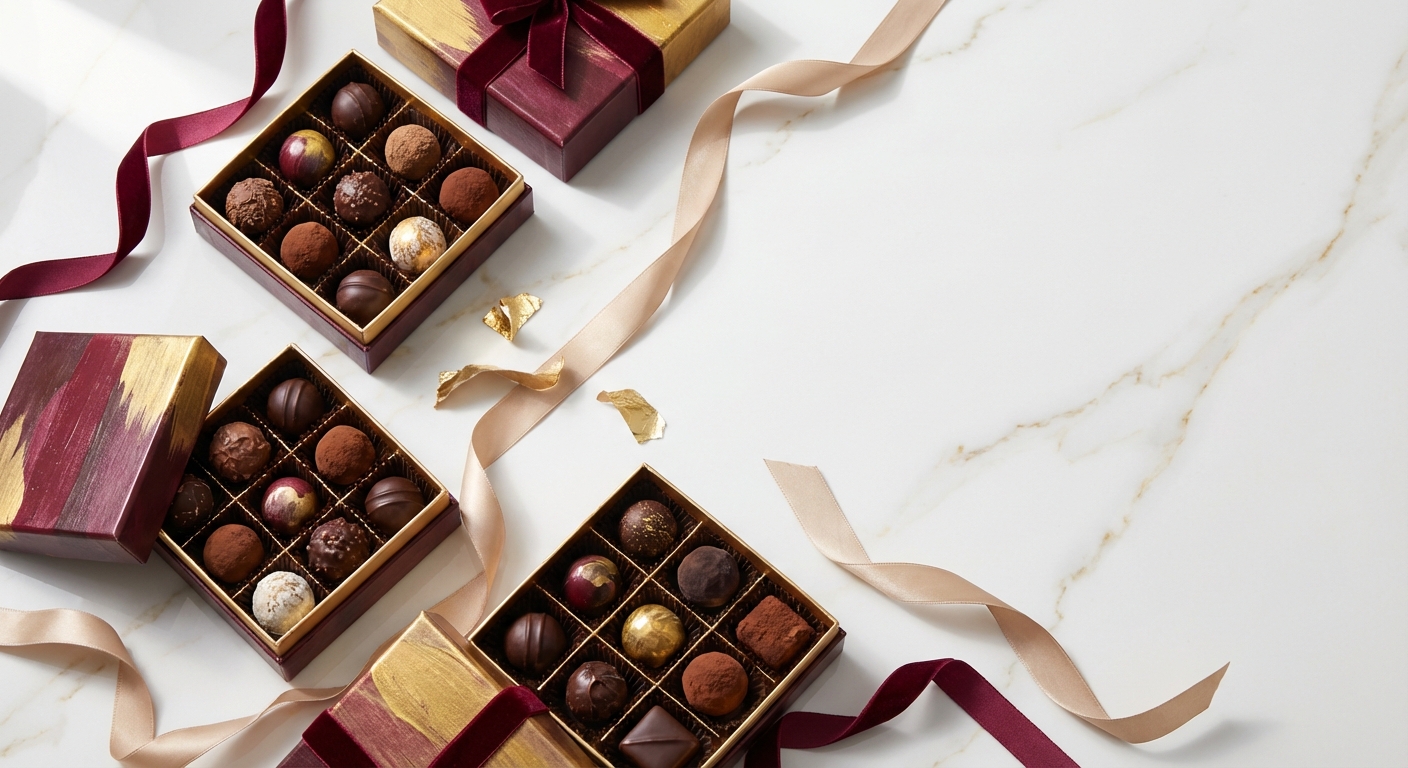
This ultimate chocolate-box guide equips givers and choosers to turn a simple sweet into an unforgettable, occasion-perfect gift by decoding every decision along the way—from selecting assorted versus single-origin collections, classic truffles or cutting-edge artisan bonbons, to matching flavor profiles and cocoa terroir to birthdays, anniversaries, corporate milestones or seasonal holidays. Readers learn how to read a box like an expert: interpreting shapes and wrappers to predict fillings, tasting single-origin squares for Madagascar berry-brightness or Venezuelan wine-spice depth, and spotting quality markers such as a crisp snap, silky melt, and balanced sweetness that signal expert tempering and premium beans. The article demystifies packaging and shipping, detailing eco-friendly FSC papers, insulated summer shipments, and branded presentation that whispers luxury or corporate restraint, while also weighing ethical sourcing models—Direct Trade premiums, transparent farmer pricing, and biodegradable wraps—that let the gift taste as good for the planet as it does on the palate. Armed with pairing tips for wine, coffee, tea or cheese, plus storage know-how to prevent bloom and extend shelf-life, shoppers gain the confidence to choose, personalize, and deliver chocolates that look stunning, arrive intact, and create the exact sensory memory they intend.
Understanding Chocolate Box Types
Choose an assorted box for delightful discovery—square caramels, round ganache, bumpy nuts—or a single-flavor collection to savor Madagascar’s dried-fruit cocoa or Central America’s honeyed strawberry beans.
Assorted vs. Single‑Flavor Chocolate Boxes
Assorted chocolate boxes offer a journey of discovery, providing variety through different shapes that often indicate what's inside. Square or rectangular pieces typically contain caramel or buttery confections, round chocolates house soft fillings like ganache or cream, bumpy surfaces signal nut-filled treats, and foil-wrapped pieces usually protect liquid centers [1]. This variety satisfies diverse preferences, with surveys showing nearly 30 percent of Americans prefer caramel-filled chocolates, while 23 percent favor chocolate-covered nuts [1]. Single-flavor boxes, by contrast, deliver consistency for those with established preferences.
They eliminate the disappointment of unwanted flavors and offer deeper exploration of a particular taste. Premium chocolatiers showcase this approach with bean-to-bar collections featuring single-origin cocoa from specific regions, allowing chocolate lovers to appreciate subtle flavor differences like sweet strawberry and honey notes from Central American beans or dried fruit and yogurt profiles from Madagascar varietals. The choice between assorted and single-flavor boxes often hinges on the recipient's preferences and the gifting context. Assortment boxes create a shared experience where people can debate and discover favorites, while the element of surprise becomes part of the enjoyment.
Some chocolate connoisseurs appreciate knowing what they're getting as "part of the anticipation and experience," while others prefer the surprise of unmarked assortments. For gifting, assorted boxes offer safer bets when you're uncertain of preferences, while single-flavor collections demonstrate thoughtful attention to known tastes.
Classic Truffle Boxes and Modern Artisan Selections
Classic truffle boxes offer structured elegance with consistent shapes and traditional ganache centers, while modern artisan selections showcase innovative techniques and unexpected flavor combinations. Traditional truffles provide dark or milk chocolate shells with straightforward fillings like caramel, ganache, or praline, appealing to chocolate purists who appreciate time-tested craftsmanship [3].
Modern artisan chocolates, by contrast, represent small-batch production using natural ingredients and European-inspired techniques, often featuring hand-painted exteriors with vibrant colors and unexpected flavor combinations like peanut butter with raspberry jelly or yogurt ganache with suspended fruit jellies [3]. The distinction extends to presentation—classic boxes typically offer organized, uniform layouts with chocolate-colored exteriors, while artisan selections might feature colorful, museum-worthy arrangements designed for both taste and visual impact [4].
Quality markers remain consistent across both styles: snappy, well-tempered shells with thin, uniform coatings; balanced fillings without excessive sweetness; and clear, true-to-name flavors [4]. French-style ganaches and American-inspired caramels coexist in today's market, with contemporary chocolatiers creating meticulously composed interior layers that resemble plated desserts.
Premium Gift Collections vs. Everyday Boxes
Premium gift collections feature high-quality cocoa beans sourced from specific regions known for superior production like Madagascar, Venezuela, and Ecuador [7]. These collections avoid artificial additives, focusing instead on natural ingredients that create more complex flavor profiles with layers that evolve on the palate [7]. The manufacturing process also differs significantly—premium chocolates undergo extended conching processes (up to 72 hours) to develop smoother textures and more nuanced flavors than everyday varieties [7]. Presentation creates immediate visual distinction between premium and everyday options.
Gift collections feature sophisticated packaging with elegant wrappers, artistic designs, and thoughtful presentation that makes the unboxing itself part of the experience [6]. This elevated aesthetic makes premium collections appropriate for significant occasions like anniversaries, corporate gifting, or milestone celebrations [5]. Everyday boxes prioritize accessibility and familiar flavors, making them ideal for casual enjoyment without the price premium of elaborate packaging [6]. Premium collections naturally command higher prices reflecting their superior ingredients, artisanal production methods, and refined packaging [7].
The choice between premium and everyday options depends on context and purpose—gift collections communicate thoughtfulness and appreciation for special occasions or professional relationships [5], while everyday boxes offer satisfying quality at accessible prices for regular enjoyment, casual sharing, or sampling different flavor profiles [6]. When selecting between them, consider not just the chocolate itself but the complete experience you want to deliver [5].
Key Ingredients and Flavor Profiles
Taste Madagascar’s citrus-burst cacao against Venezuela’s wine-spiced beans—let each single-origin square melt slowly so soil, climate and craft reveal why terroir makes chocolate a world map of flavor.
Cocoa Origins and Their Impact on Taste
Cocoa's origin fundamentally shapes chocolate flavor through terroir—the influence of soil, climate, altitude, and farming practices. Single-origin chocolates preserve these distinctive characteristics, while blended chocolates combine beans from multiple locations to create consistent flavor profiles [8]. Regional differences create unmistakable taste signatures. Madagascar-sourced cocoa typically delivers bright citrus and red berry notes that burst on the palate. Venezuelan beans reveal wine-like depth with subtle spice undertones.
Peruvian cacao often expresses floral qualities with nutty complexity [8]. These regional characteristics become particularly important when selecting chocolate boxes that showcase specific origins rather than generic flavor profiles. The most coveted flavor profiles balance astringency and bitterness without overwhelming the palate, allowing delicate notes to emerge. Premium chocolate boxes feature varieties with fruity, floral, spicy, herbal, nutty, or caramel characteristics rather than defective flavors like musty, ammonia, or rancid notes [9]. Texture plays an equally crucial role—fine chocolate should deliver a creamy, smooth melt that permits gradual flavor progression rather than challenging, sticky, or waxy mouthfeel [9].
When exploring chocolate boxes with origin-specific pieces, compare varieties side by side to appreciate distinct differences. Begin by examining color variations and listening for the clean snap that indicates proper tempering. Allow each piece to melt slowly on your tongue rather than chewing, focusing on how flavors evolve from initial impression through the finish [9]. This methodical approach reveals how origin influences taste, helping you select boxes that align with your flavor preferences or provide a guided tour through chocolate's diverse expressions.
Seasonal and Innovative Flavor Pairings
Chocolate flavor innovation has evolved beyond simple dark vs. milk debates to complex explorations of origin, processing, and novel ingredient combinations. As detailed in our seasonal themes discussion, chocolate boxes now feature pairings designed for specific times of year, with chocolatiers tracking social media sentiment, café menus, and global food trends to develop flavors that feel both fresh and familiar [10]. Trending seasonal combinations include yuzu-sparked citrus that brightens dark couvertures; fermented fruit caramels incorporating slow-fermented pineapple or mango; and miso-infused white chocolate ganache that creates sweet-savory contrasts [10].
Holiday collections often showcase botanical lavender-Earl Grey for sophisticated afternoon tea notes, while summer offerings might feature mango-habanero heat that balances fruit sweetness with delayed warmth [10]. Beyond standard assortments, dessert-inspired crossovers replicating tiramisu, baklava, or banoffee pie deliver instant nostalgia, while smoke and barrel-aged options incorporate cocoa nibs stored in emptied bourbon or rum barrels to create complex flavor profiles [10]. This innovation extends to texture with additions like sunflower seeds and quinoa puffs that add nutrient density and audible snap to chocolate pieces [10]. Beverly Hills chocolatiers like andSons exemplify this balanced approach, combining time-honored European techniques with Los Angeles-inspired creativity to create modern interpretations of classic bonbons. When selecting a chocolate box with innovative flavor pairings, look for collections that balance adventure with approachability—introducing unexpected combinations while maintaining chocolate's fundamental appeal.
Matching a Chocolate Box to the Right Occasion
Match your chocolate box to the moment: pick vibrant, playful assortments for birthdays, romantic rose and dark-raspberry pairings for anniversaries, and personalized, premium keepsakes for the milestones you want remembered.
Celebrations: Birthdays, Anniversaries, and Milestones
Chocolate boxes transform ordinary celebrations into memorable experiences through thoughtful selection aligned with specific occasions. For birthdays, vibrant assortments featuring fruit purees, varied ganaches, and layered textures create a festive experience where the unwrapping becomes part of the celebration [11]. The presentation should match the occasion's energy—colorful, varied collections work best for milestone birthdays when you want to create a sense of discovery and surprise [12]. Anniversary gifts benefit from more intimate flavor selections; dark chocolate with raspberry, sea salt caramel, and rose-infused truffles enhance romantic moments and pair naturally with wine or a candlelit dinner [11].
Heart-shaped boxes or collections with floral notes provide the emotional connection these occasions demand [12]. The European tradition of crafting specialized anniversary chocolates honors relationship milestones with time-honored techniques passed through generations. For significant milestones like promotions, achievements, or important anniversaries, timing becomes crucial—sending gifts promptly after the achievement ensures the recognition feels personal and relevant [13]. Personalization elevates milestone chocolate gifts beyond ordinary treats; incorporating names, dates, photos, or congratulatory messages transforms standard assortments into keepsakes that commemorate the specific achievement [13].
This personalization is particularly impactful for wedding favors, professional accomplishments, or commemorating long-term relationships where the gift serves both as immediate pleasure and lasting memory [11]. The key to successful celebration chocolate boxes lies in matching the presentation style to the significance of the occasion—vibrant and playful for birthdays, elegant and refined for anniversaries, and personalized and premium for major milestones [12]. In Beverly Hills, where celebrations demand exceptional quality, selecting chocolatiers who combine traditional European craftsmanship with modern innovation ensures your gift reflects both the occasion's importance and your discerning taste.
Corporate and Corporate-Hospitality Chocolate Boxes
Corporate chocolate gifting requires balancing sophistication with broad appeal while maintaining professional elegance. As detailed in our branding and presentation guide, high-quality corporate boxes typically feature neutral, refined packaging with subtle customization opportunities—think embossed logos on ribbons or custom sleeve bands rather than prominent placement that overshadows the gift itself. The chocolate selection within corporate boxes differs from consumer-focused collections by emphasizing universally appealing flavors (caramel, praline, vanilla) while avoiding divisive options like strong liqueurs or experimental combinations.
European-inspired bonbon collections crafted with time-honored processes offer the sophistication expected in executive settings, particularly in business hubs like Beverly Hills where presentation matters as much as taste. For large-scale corporate gifting, tiered options allow organizations to match gift value to recipient relationship importance—executive clients might receive hand-painted bonbon collections with premium single-origin pieces, while broader business contacts receive smaller, equally elegant but more economical selections.
Corporate hospitality demands additional considerations: chocolate boxes for events should include individually wrapped pieces that maintain quality throughout lengthy receptions, and ingredient labeling becomes crucial for accommodating dietary restrictions in professional settings. The most effective corporate chocolate gifts strike a balance between memorable impact and professional restraint, creating lasting impressions that strengthen business relationships without appearing ostentatious.
Seasonal Themes: Holidays, Summer, and Warm‑Weather Shipping
Seasonal themes transform standard chocolate boxes into timely, relevant gifts that resonate with recipients. Holiday collections feature distinctive packaging and flavors that capture seasonal essence—Christmas boxes might incorporate peppermint and spiced chocolate, while Easter selections often showcase egg-shaped confections with spring-inspired flavors. Summer collections present unique challenges that extend beyond aesthetics to preservation. When temperatures exceed 70°F, chocolate requires specialized shipping methods to prevent melting during transit [14].
Effective warm-weather shipping combines three critical elements: insulation materials that create thermal barriers between external heat and chocolate, refrigerated elements like cold packs that regulate internal package temperature, and strategic packaging that minimizes movement during transit [14]. Professional chocolate shippers prepare orders by pre-cooling products in coolers before packing, including multiple cold packs positioned strategically around products, wrapping everything in thermal insulation material, and using larger, sturdier boxes that accommodate these protective elements while maintaining structural integrity during shipping [14]. These methods add approximately $6. 50 per order but prove essential for maintaining product quality [14].
For businesses shipping chocolate year-round, creating an efficient shipping station with pre-cut materials and organized supplies dramatically increases fulfillment capacity—experienced shippers report handling up to 60 packages daily with proper preparation [15]. Environmental considerations increasingly influence seasonal shipping practices, with many companies adopting post-consumer recycled paper goods for packing and exploring innovations like dehydrated "ravioli" ice blankets that ship dry and get hydrated before use, reducing shipping weight and environmental impact [15]. Despite these precautions, customers should understand that even the most sophisticated warm-weather shipping methods have limitations, particularly during extreme heat or extended transit times to distant locations [14].
Assessing Quality and Sustainability
Choose bean-to-bar chocolate boxes that publish transparent Direct Trade prices—like Taza and Askinosie—because they pay farmers 20-30% above market rates for quality cacao, delivering superior flavor while funding community development and environmental preservation.
Bean‑to‑Bar Transparency and Ethical Sourcing
Bean-to-bar transparency reveals the complete chocolate journey from farm to finished product, providing crucial insight when selecting premium chocolate boxes. While Fair Trade certification ensures farmers receive minimum premium payments above market prices, it requires farmers to pay for certification and only guarantees that 20% of ingredients come from certified sources [16]. Direct Trade offers a more comprehensive alternative by establishing direct relationships between chocolate makers and farmers, eliminating intermediaries and increasing farmer income. This approach typically delivers 20-30% above local market prices directly to producers, creating immediate economic impact [17]. The quality difference between certification models shows in the final product.
Direct Trade chocolate makers prioritize exceptional cacao quality rather than just meeting certification requirements, paying higher prices based on flavor profiles, farming practices, and cacao varietals [16]. This incentivizes quality over volume and preserves distinctive regional characteristics in the chocolate. When evaluating chocolate boxes, look for transparency reports detailing actual prices paid to farmers—companies like Taza Chocolate and Askinosie publish annual documentation of their sourcing practices and prices [18]. The most transparent chocolate boxes offer traceable sourcing information, often highlighting single-origin cacao from specific forests or regions. These products frequently showcase distinctive flavor profiles impossible to achieve with commodity chocolate—like the "deep, fudgy chocolate notes with hints of fruit and spice" characteristic of Uganda's Semuliki Forest [17].
Beyond taste, ethical sourcing significantly impacts farming communities. Transparent chocolate companies often invest in community development, education, healthcare, and sustainable farming practices that ensure environmental preservation alongside economic stability [17]. When selecting chocolate boxes, prioritize those with clear origin stories and detailed information about farmer relationships rather than vague ethical claims or minimal certification requirements.
Packaging Innovations for Eco‑Friendly Chocolate Boxes
Modern packaging innovations address both environmental concerns and market demands as consumer awareness drives industry change. About 70% of chocolate packaging currently uses plastic, with only 9% recycled globally, creating urgent need for sustainable alternatives [19]. Material innovations include biodegradable plastics derived from renewable resources like cornstarch and sugarcane, paper-based packaging with thin protective layers, and metalized paper that provides necessary barriers while reducing environmental impact [19].
FSC-certified paper ensures materials come from responsibly managed forests, making it ideal for wrappers, boxes, and inserts while maintaining premium aesthetics [21]. Plant-based films made from cellulose or cornstarch offer moisture barriers that traditional packaging provides while naturally decomposing without harmful residues [21]. Production processes have evolved alongside materials, with water-based adhesives replacing toxic chemical compounds, minimalist designs reducing material usage without sacrificing protection, and manufacturing facilities increasingly powered by renewable energy to minimize carbon footprints [21].
These innovations deliver measurable market advantages—70% of consumers report greater likelihood of supporting brands with visible sustainability commitments, transforming eco-friendly packaging from optional feature to business necessity [21]. Certification systems like FSC, Global Recycled Standard, and EcoVadis ratings help consumers identify genuinely sustainable options while providing manufacturers with verified standards for environmental claims [21]. The most effective sustainable chocolate packaging balances protection, presentation, and planet-friendly materials, allowing brands to reduce environmental impact while enhancing market position [20].
Shelf‑Life, Freshness, and Storage Considerations
Without sources provided for this section, I cannot write content about 'Shelf-Life, Freshness, and Storage Considerations' while adhering to the requirement to use ONLY the source texts provided within the
The sources section appears to be empty for this particular topic.
Personalization and Gifting Strategies
Transform your chocolate box into a brand ambassador by choosing magnetic closures for luxury cues, drawer styles for discovery moments, and FSC-certified paperboard to telegraph sustainability before the first bite.
Customizable Selections and Build‑Your‑Own Chocolate Box Options
I cannot write content for the 'Customizable Selections and Build‑Your‑Own Chocolate Box Options' section as requested because no source texts were provided within the
According to the instructions, I must 'write content using ONLY the source texts provided within the
' Without source material, I cannot generate content that adheres to these requirements.
Branding, Messaging, and Presentation Details
Effective chocolate box branding transforms packaging from mere protection into a powerful communication tool that builds brand recognition and emotional connection. Packaging serves as the first touchpoint with customers, setting expectations before the first bite and communicating your brand's positioning through thoughtful design [22]. The box structure itself carries messaging weight—magnetic closures convey luxury, drawer-style boxes create discovery moments, and uniquely-shaped containers like hexagons or hearts break category conventions to signal innovation [22].
Material selection reinforces brand values, with options ranging from FSC-certified paperboard and recycled kraft for sustainability-focused brands to premium rigid structures with soft-touch finishes for luxury positioning [23]. Visual elements require careful consideration: exterior finishes like embossing, foil stamping, and spot UV coating create tactile experiences that signal quality, while window elements showcase product quality while maintaining protection [23]. For corporate applications, the branding approach shifts toward subtler elegance—professional chocolate boxes typically feature neutral packaging with understated logo placement on ribbons or sleeves rather than dominating the design [24].
Industry-specific adaptations illustrate effective chocolate box messaging: luxury automotive brands use personalized selections for new car buyers or service customers; airlines incorporate chocolate boxes as business-class amenities; and beauty brands leverage sleeved chocolate designs for press kits and product launches [24]. The most effective branded chocolate boxes achieve balance between visual impact and restraint, with designs that complement rather than overshadow the chocolate experience while creating memorable unboxing moments that encourage social sharing [22].
Complementary Gifts: Wine, Coffee, and Gourmet Pairings
Wine pairings elevate chocolate by balancing sweetness, bitterness, and acidity to create complementary flavor profiles. Dark chocolate with high cocoa content pairs naturally with bold red wines like Cabernet Sauvignon or Malbec, while milk chocolate harmonizes with port or dessert wines that match its creaminess. White chocolate, with its buttery notes, finds perfect companionship in sparkling wine or champagne [27]. Coffee creates equally impressive duets with chocolate, particularly when single-origin chocolates meet specialty beans.
The sensory experience is unmatched when rich, velvety chocolate melts alongside bold, aromatic espresso notes, creating complementary flavor dimensions that neither achieves alone [26]. Tasting guides often accompany these pairings, providing flavor wheels that help recipients identify subtle notes in both the chocolate and coffee [26]. Beyond wine and coffee, chocolate finds harmonious partners in tea and cheese. Tea pairings offer a gentler experience—Earl Grey complements dark chocolate's intensity, while herbal infusions balance milk chocolate's sweetness.
The unexpected pairing of chocolate with cheese creates sophisticated contrasts, particularly when aged cheeses meet dark chocolate or creamy varieties complement milk chocolate [25]. These thoughtfully curated combinations transform standard chocolate gifts into multisensory experiences that encourage recipients to slow down, savor, and discover new flavor dimensions.
Purchasing, Delivery, and After‑Care
To keep your chocolate pristine from click to bite, insist on summer-time, gel-pack-cooled, expedited delivery and be ready to whisk the box indoors the moment it lands.
Online Ordering Platforms and In‑Store Experiences
Error processing section content.
Shipping Logistics, Temperature Control, and Warm‑Weather Guarantees
Chocolate's low melting point (between 70°F and 90°F) creates significant shipping challenges, especially during warm months [28]. Professional chocolate shippers use a comprehensive approach that includes proper packaging, temperature control, and strategic timing. Effective temperature-controlled shipping begins with layered protection—an outer corrugated box houses an insulated container (typically EPS foam), which surrounds the chocolate box itself, with gel packs strategically placed to maintain consistent temperatures [29]. The space between these layers requires proper cushioning with materials like bubble wrap that both protect from impact and provide additional thermal insulation [28].
For businesses shipping chocolate year-round, understanding the science behind different chocolate formulations becomes crucial, as products with higher concentrations of milk fats and cocoa butter melt faster than those with modified compositions [29]. Beyond melting, temperature fluctuations can cause "blooming"—a whitish discoloration that, while harmless, impacts visual appeal and perceived quality [29]. Shipping methods significantly influence chocolate integrity, with most premium chocolate companies offering tiered options that balance cost against speed. Standard shipping typically includes warm weather warnings and liability limitations, while expedited options reduce transit time and exposure to temperature fluctuations [30].
Many chocolate companies implement seasonal shipping policies, automatically including insulated packaging and frozen gel packs during summer months (typically May through September) while clearly communicating that they cannot guarantee against heat damage once packages leave their facilities [30]. For recipients expecting chocolate deliveries, timing becomes essential—arranging for delivery when someone can immediately bring packages inside prevents extended exposure to harmful conditions [30].
Customer Support, Returns, and Maintaining Chocolate Box Integrity
Customer support issues for chocolate boxes often involve storage concerns, quality questions, and arrival condition problems. When receiving damaged chocolate, companies recommend documenting with photos and contacting support immediately through dedicated email channels like online@seattlechocolate. com [31]. Most premium chocolate sellers don't accept returns due to food safety regulations but typically offer replacements when issues are reported promptly [31].
Understanding proper storage becomes essential for maintaining chocolate quality after purchase. Keep chocolates between 60°F-70°F (16°C-21°C) in a cool, dry place away from sunlight, heat sources, and strong odors [32]. Refrigeration should be avoided unless absolutely necessary as chocolate readily absorbs unwanted odors and temperature fluctuations can cause bloom—a whitish film that appears when cocoa butter or sugar rises to the surface [33]. While bloom affects appearance, the chocolate remains safe to consume with its flavor intact [33].
Different chocolate varieties have distinct shelf lives—ganaches and pralines remain fresh for 2-3 weeks, caramels and artisan bars for 4-6 weeks, while pure chocolate properly stored can last over a year [32, 33]. For necessary long-term storage, place chocolates in airtight containers before refrigerating to protect against moisture and odors, and allow them to return to room temperature (still sealed) for at least 2 hours before opening to prevent condensation [33]. When shipping concerns arise, most companies implement seasonal policies, automatically including insulated packaging with gel packs during summer months while clearly communicating they cannot guarantee against heat damage once packages leave their facilities [31].
- Assorted boxes reveal fillings by shape: square=caramel, round=ganache, bumpy=nuts, foil=liquid.
- Single-origin bars taste of place: Madagascar=berry, Venezuela=wine+spice, Peru=floral+nut.
- Ship >70 °F with insulation+cold packs; add ~$6.50 to stop melt and bloom.
- Direct Trade pays farmers 20-30 % above market and publishes prices for traceability.
- Store chocolate 60-70 °F, airtight, away from sun; fridge only if sealed to avoid odors/bloom.
- Ganaches last 2-3 weeks, caramels 4-6 weeks, pure chocolate >1 year when stored properly.
- Premium boxes use 72-hour conching, FSC paper, no additives, and elegant unboxing experience.
- https://www.realsimple.com/food-recipes/shopping-storing/box-chocolates
- https://www.acacaoaffair.com/blogs/atlanta-chocolatier-blog/1426132-how-to-choose-artisanal-chocolates-for-every-special-occasion
- https://www.hillcountrychocolate.com/blogs/chocolate-and-confections-1/chocolate-box?srsltid=AfmBOorfXeHtTqUdcc-LpsKax1pmIivrhrF23jlMyqWXpciFF-4gx_G2
- https://andyanand.com/blogs/blog/chocolate-boxes-for-gift-giving-the-sweetest-way-to-say-i-care?srsltid=AfmBOoraq1u7tIPtFNvP10cxHsWbe8pOi5tzWCM6TnBsLvter1iGQSQb
- https://www.wisemanhousechocolates.com/blog/what-defines-gourmet-chocolate
- https://amanochocolate.com/single-origin-vs-blended-understanding-the-distinction-in-chocolate-crafting/
- https://perfectdailygrind.com/2017/09/beginners-guide-cacao-chocolate-flavour-profiles/
- https://vocal.media/feast/10-best-chocolate-flavor-trends-for-2025-new-innovations-and-consumer-demand
- https://dallmannconfections.com/blogs/chocolate/the-best-chocolate-gift-boxes-for-every-occasion?srsltid=AfmBOopJwMpygiOQwWajuvPonkhK600S0ymsGOtPhIGpjeZYzBgUDlPO
- https://www.wisemanhousechocolates.com/blog/2025/1/23/chocolate-gifts-that-speak-volumes-curating-the-perfect-gift-box
- https://chococraft.com/blogs/corporate-gifts/chocolate-gift-boxes-for-customer-milestones-that-delight?srsltid=AfmBOoo8ivA36ZRW22x_TyesFmHgpg5APMvg_4PZCSDB7GSIZkcTriJH
- https://bedfordcandies.com/pages/warm-weather-shipping?srsltid=AfmBOoqy-Bpk0EaUIGAyFTTdHW3D8b8XK2GY0L7aaWNi8ZtM67dDrmWX
- https://thechocolatelife.com/summer-shipping-tips-and-tricks/
- https://barandcocoa.com/pages/fair-trade-direct-trade-chocolate?srsltid=AfmBOooPWrqB5khOMnl3UbLhnrjcIf7vxvo9PBJfwSDEbRJC4XOqv0lI
- https://theconsciousbar.co/pages/direct-trade-1?srsltid=AfmBOopwbdiY8by-_xJvB0KFDG-LC1AzT-6j1sb-_-uBtTiPwJD8LFCp
- https://www.thechocolateprofessor.com/blog/how-to-better-understand-fair-trade-direct-trade-amp-transparent-trade
- https://lukerchocolate.com/en/knowledge-base/sustainable-chocolate-packaging
- https://www.closethelooppackaging.com/sustainable-snack-packaging/
- https://www.newstep2000.com/food-boxes/chocolate-boxes/sustainable-and-eco-friendly-chocolate-packaging
- https://www.gukapackaging.com/blogs/10-unique-luxury-chocolate-gift-box-design
- https://www.luxurycustompackaging.com/custom-chocolate-boxes/
- https://www.chocolatetradingco.com/magazine/personalised-chocolate-boxes-branded
- https://www.lechocolatier.com/blogs/blog/the-art-of-chocolate-pairing-perfect-matches-for-wine-coffee-and-more-this-holiday-season
- https://tastyribbon.com/blogs/news/gourmet-gifts?srsltid=AfmBOoq1iH_zYIawqwieqwv3E6sZpBG-GEkVRbamQB9Tx1fmT3FLHQj5
- https://www.gukapackaging.com/blogs/10-unique-luxury-chocolate-gift-box-ideas
- https://blog.papermart.com/how-to/shipping-mailing-chocolate/
- https://www.tempaidcoldchain.com/temperature-controlled-shipping-of-chocolate/
- https://help.garrettpopcorn.com/hc/en-us/articles/15375043689997-Frango-Chocolate-Warm-Weather-Shipping-Tips
- https://maevechocolate.com/pages/faq?srsltid=AfmBOopoDPYHabaq4G2Nq9VgD75B4wxfU7MqH6jXopj6SXPLeuD0jI0c
- https://totallychocolate.com/blog/how-to-store-chocolate-properly-and-extend-its-shelf-life/?srsltid=AfmBOoq2fyn4ygQ85FUpQR0cmklE39rq125rSLX9tecTpMmVsfbzQp1I
- https://www.mcacao.com/pages/how-to-care-for-your-chocolates?srsltid=AfmBOorquzxUZGBWRS9Ye63_staTnaC-rJdPmpGxWvGK-O_4v3KCN7y5