


The Ultimate Guide to Chocolate Gift Boxes for Every Occasion
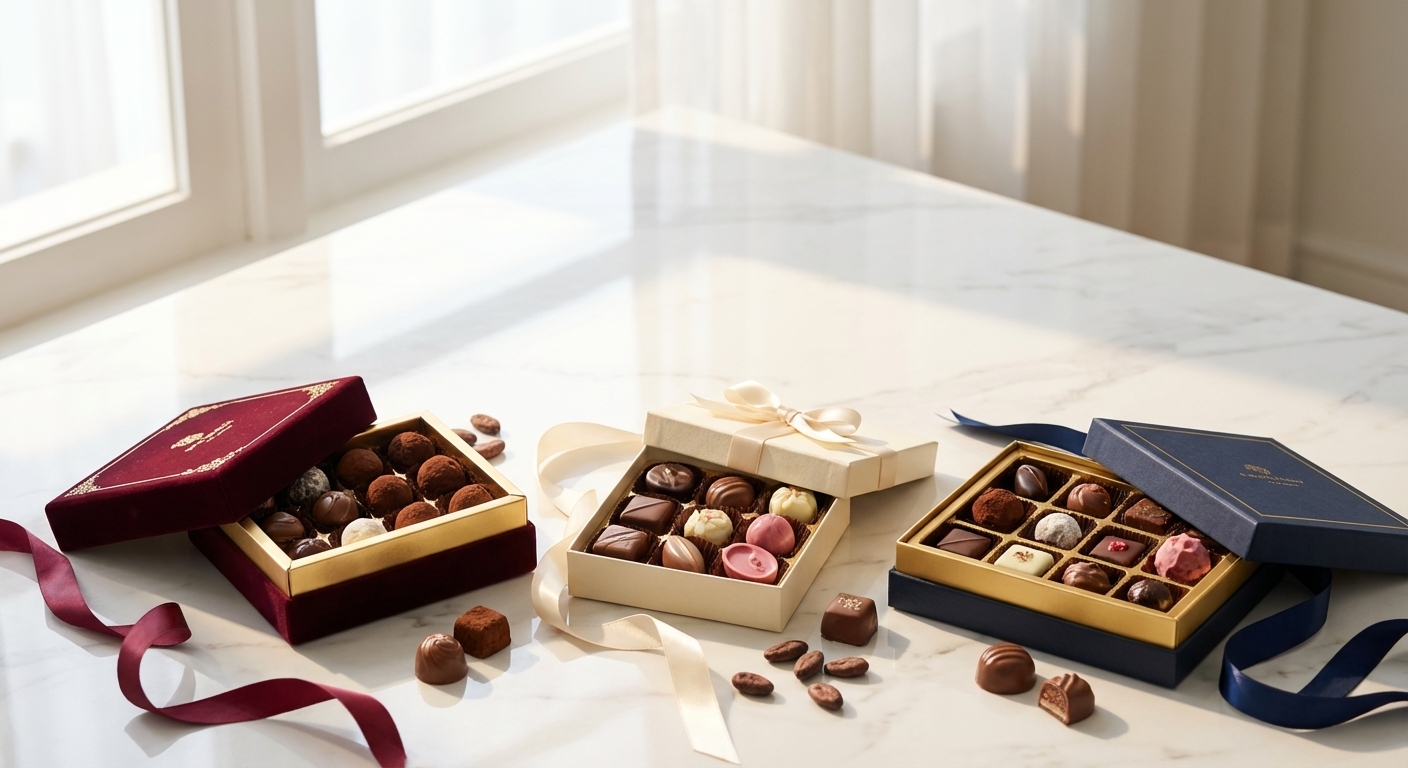
This ultimate guide equips you to choose, personalize, and ship chocolate gift boxes that feel bespoke from first glance to final bite, teaching you to match dark, milk, white, or ruby chocolates to the recipient’s taste and to the occasion through size, color, and seasonal cues; it walks you through luxe yet sustainable packaging tricks—magnetic boxes, custom inserts, foil stamping, QR-coded stories—so every bonbon arrives un-cracked and feels like edible jewelry, while handwritten notes and maker’s marks turn the sweets into keepsakes. Readers learn why 60–75 % cacao dark, 45–68 % “dark-milk,” or high-cocoa-butter white chocolates guarantee crowd-pleasing flavor, how to verify ethical sourcing via blockchain traceability, and the cold-chain facts (54–68 °F, humidity <50 %) that prevent bloom, plus freezer protocols for long-term storage. With these insights you can confidently order peak-fresh assortments, time deliveries for peak enjoyment, and create Instagram-worthy unboxings that broadcast thoughtfulness long after the last truffle disappears.
Choosing the Perfect Chocolate Gift Box for Any Celebration
Curate an unforgettable chocolate gift by balancing 60–75 % single-origin dark, versatile “dark-milk,” and 35 % cocoa-butter white chocolates so each piece mirrors the recipient’s taste and the celebration’s spirit.
Understanding Flavor Profiles and Chocolate Types
Selecting meaningful chocolate gifts requires understanding the distinct flavor profiles each type offers. As second-generation chocolatiers, we've learned that the right mix creates a memorable tasting experience tailored to the recipient's preferences. Dark chocolate contains primarily cocoa beans and sugar, with cacao percentages typically from 35-100% [1]. Higher percentages deliver more intense flavors ranging from bitter to fruity, earthy, or spicy, with less sweetness [2]. While often associated with quality, not all dark chocolate is premium—some commercial brands contain low-quality cacao, high sugar levels, and additives [1]. For gift boxes, select dark chocolates between 60-75% cacao for balanced intensity that appeals to most recipients. The key is sourcing beans that express their terroir—something we prioritize in our bonbon collections, where each piece showcases distinct regional characteristics.
Milk chocolate adds dried milk to create a creamier, sweeter profile that harmonizes the natural cacao flavors [1]. Commercial versions typically contain about 26% cacao, while specialty milk chocolates range from 45% to 68% (known as "dark milk") [1]. This versatility and approachability make milk chocolate essential in gift assortments when the recipient's preferences are unknown [2]. The craft chocolate movement has elevated milk chocolate beyond its commercial roots, with artisan makers using alternative milk powders like coconut and rice [1]. This evolution reflects the European tradition of treating milk chocolate as a sophisticated canvas rather than merely a sweeter option. White chocolate, contrary to misconceptions, is legitimate chocolate since it contains cocoa butter extracted from cacao beans [1]. Quality white chocolate features at least 35-40% cocoa butter, offering a buttery texture with sweet, creamy flavors [1]. Modern chocolatiers are reducing sugar and milk powder while creating sophisticated options like "toasted white" or "blonde" chocolate with biscuity and caramel notes [1]—techniques that honor traditional methods while embracing contemporary palates.
Ruby chocolate, introduced in 2017, provides a naturally pink appearance and berry-like fruitiness [1]. Though marketed as a fourth chocolate type, it's essentially processed without fermentation to preserve the beans' natural color [1]. Its novelty makes it an interesting addition for recipients who appreciate unique chocolate experiences [2]. When curating chocolate gift boxes, consider both variety and presentation from an artisan's perspective. Formal gifts benefit from carefully composed assortments featuring multiple chocolate types with varying cacao percentages [2]. For romantic gestures, hand-crafted bonbons with subtle flavor infusions—perhaps raspberry or champagne—create moments of discovery [2]. True quality prioritizes cocoa solids, cocoa butter, and sugar as primary ingredients, avoiding shortcuts like excessive additives or vegetable oils [2].
Matching Box Size and Presentation to the Occasion
The right box size and presentation transforms chocolate from a simple gift into a meaningful gesture tailored to specific occasions. For intimate celebrations like anniversaries or Valentine's Day, small curated boxes containing 4-12 artisanal pieces create a personal touch, while medium collections with 12-24 pieces suit birthdays and dinner party hostess gifts.
Corporate gifts and family gatherings benefit from larger assortments of 24-48 pieces that encourage sharing. The presentation should reflect both the occasion's formality and the chocolatier's craftsmanship—business gifts require elegant, understated packaging with professional finishes, while celebrations invite festive elements that complement the chocolate's artistry.
Consider seasonal presentation cues: spring occasions pair beautifully with delicate packaging echoing the bonbons within, summer gifts demand temperature-conscious materials (as detailed in our shipping section), autumn celebrations embrace warm earth tones, while winter holidays call for rich jewel tones and subtle metallic accents. The unboxing experience reveals as much about the giver's thoughtfulness as the chocolatier's skill, with each layer building anticipation for the handcrafted treasures within.
Personalizing Chocolate Gift Boxes to Delight Every Recipient
Transform an ordinary box of chocolates into an unforgettable keepsake by pairing luxury structural details—magnetic closures, window cut-outs, custom-molded inserts—with sensory finishes like foil stamping, embossing, and sustainable ribbons that cradle each bonbon while revealing its story.
Customizable Add‑Ons and Packaging Options
Customization transforms chocolate gifts into intimate expressions of appreciation that recipients treasure long after the last truffle is savored. As discussed in "Matching Box Size and Presentation to the Occasion," presentation should reflect the occasion's significance—but personalization adds the memorable touch that elevates a gift from thoughtful to extraordinary. Luxury box styles create distinct unboxing experiences: rigid magnetic closure boxes convey elegance, drawer-style designs build anticipation, multi-tiered compartments showcase curated selections, and heart-shaped containers express romance [5]. Beyond aesthetic appeal, structural elements enhance both beauty and function. Window cut-outs reveal artisanal chocolates while maintaining protection, while custom inserts cradle each piece like precious gems, preventing movement during transport [4].
Finishing techniques significantly elevate perceived value. Options include embossing for tactile dimension, foil stamping for metallic accents, soft-touch coating for velvety feel, and spot UV for selective glossy highlights [5]. For truly memorable presentations, incorporate sensory add-ons like ribbons, decorative closures, or custom sleeves that transform packaging into an event [5]. Sustainable alternatives have become essential rather than optional—customers increasingly select brands using FSC-certified paperboard, recycled kraft, biodegradable films, or plant-based plastics [5]. Interior customization deserves equal attention as exterior design.
At andSons Chocolatiers, we understand that custom inserts serve dual purposes—protecting our handcrafted bonbons while creating an organized visual presentation that honors each piece's artistry. EVA foam, molded pulp, or corrugated dividers can be precisely cut to cradle individual chocolates, preventing movement while showcasing the collection's diversity [5]. Consider functional enhancements like QR codes revealing the story behind each flavor creation, temperature-controlling materials for climate protection, or hidden compartments containing surprise elements [4]. The most memorable chocolate gift boxes balance three essential elements: protection of precious contents, visual appeal that matches the occasion's significance, and sustainability practices that reflect both giver and recipient's values [5].
Incorporating Personal Messages and Branding
Personal messaging transforms chocolate gifts from delightful treats into cherished memories that forge lasting emotional connections. In the world of fine chocolate, where each bonbon represents hours of craftsmanship, thoughtfully penned messages—whether heartfelt thank-you notes, festive greetings, or intimate acknowledgments—add layers of meaning that enhance the gift's impact [6]. Position personalized notes prominently at the center of the box design to ensure protection during transit while creating an immediate emotional connection upon opening [6]. The most memorable messages blend the chocolatier's artisanal voice with personal sentiments that speak directly to the recipient's heart. For chocolatiers, signature elements woven throughout the gift experience create recognition while elevating each moment of discovery.
Three artful approaches include custom packaging featuring subtle maker's marks, chocolates molded with distinctive designs that become edible signatures, and coordinated color palettes that reflect the chocolatier's aesthetic vision [7]. The packaging serves as the opening act of the chocolate experience, making material quality paramount—from sustainable corrugated options to luxurious rigid boxes, each choice communicates the care invested in every detail [6]. The most impactful presentations maintain harmony across all elements, creating a cohesive story from first glimpse to final taste [7]. The most successful personalized chocolate gifts balance recognition with refinement. Maker's marks require thoughtful placement—centering on boxes prevents edge wear while creating an elegant focal point [6].
For the chocolates themselves, custom molding allows artisans to embed their signature directly into each piece, creating a delightful reveal as the box opens [7]. This technique creates multiple moments of connection that enhance appreciation for the chocolatier's craft without overwhelming the sensory experience [8]. Excellence must permeate every element—from the chocolate's flavor complexity to the packaging's tactile quality—as any disconnect between components diminishes the gift's overall impact [7].
Buying and Sending Chocolate Gift Boxes with Confidence in 2025
In 2025, send chocolate gifts with confidence by choosing brands that pair blockchain-traced, additive-free cacao with climate-controlled shipping between 54-68°F, ensuring every bite proves its ethical farm-to-box journey.
Evaluating Quality, Sustainability, and Ethical Sourcing
The quality of chocolate gift boxes hinges on three key factors: ingredient transparency, sustainable practices, and ethical sourcing verification. As discussed in earlier sections, premium chocolates contain specific cacao percentages that indicate quality—look for these markers when examining labels [10]. The fewer additives present, the better the quality [10]. Modern consumers increasingly expect sustainability rather than merely appreciating it—78% seek natural ingredients and one-third willingly pay more for sustainably packaged chocolate [10].
Verify sustainability claims through eco-conscious packaging materials (detailed in our packaging section) [9]. For ethical sourcing assessment, look for tech-enabled traceability systems that verify supply chain practices [10]. The most transparent brands implement QR codes or blockchain technology that allows you to trace ingredients back to their origins, offering data-driven proof beyond general sustainability claims [10]. The chocolate industry continues struggling with climate change impacts on cocoa crops, making brands that invest in regenerative farming and direct farmer relationships particularly valuable [10].
The most reputable chocolatiers, including heritage brands like andSons, feature chocolate from manufacturers focused on mechanized processing improvements, fermentation control, and quality monitoring systems that ensure consistent flavor while supporting ethical production [9].
Shipping, Storage, and Freshness Tips for Modern Consumers
Chocolate requires specific conditions to maintain quality during shipping and storage. The ideal temperature range for transporting chocolate is 54-68°F (12-20°C) with humidity below 50% [11]. Dark chocolate tolerates cooler temperatures while milk and white chocolates need steadier warmth. Temperature fluctuations above 75°F trigger fat bloom, where cocoa butter migrates to the surface, creating unappealing whitish streaks [11]. When shipping chocolate gifts, select partners with temperature-controlled services and real-time monitoring capabilities. Insulated packaging with phase-change materials (PCMs) specifically designed for the 15-20°C range offers superior protection compared to standard gel packs that cool to near 0°C [11]. For sustainability and compliance with 2025 regulations, choose recycled textile liners or paper-based coolers over traditional foam [11].
Proper storage extends chocolate freshness significantly. Store chocolates in cool, dry places between 65-68°F—never refrigerate unless absolutely necessary [12]. Chocolate easily absorbs surrounding odors and refrigerator moisture can cause sugar bloom, where sugar rises to the surface and discolors the chocolate [12]. For storage beyond a week, seal chocolates in airtight containers to prevent oxidation and flavor deterioration [12]. When summer heat makes refrigeration unavoidable, wrap chocolates tightly before placing in airtight containers, then allow them to return to room temperature before unwrapping to prevent condensation [12]. For long-term storage (6-12 months), freezing works well with proper technique: first refrigerate for 24 hours, then transfer to the freezer, and reverse the process when thawing [12]. Assessing chocolate freshness involves visual inspection and sensory evaluation.
Quality chocolate has a smooth, unblemished surface with uniform color [13]. White mottling indicates sugar bloom from humidity exposure, while gray-white streaking suggests fat bloom from temperature fluctuations or aging nuts releasing oils [13]. Examine bonbon bottoms for separation between shell and filling—the first place mold typically appears [13]. Trust your nose; chocolate absorbs ambient odors and ingredients degrade over time, particularly fruit and nuts [13]. Artisan bonbons from premium chocolatiers typically have shorter shelf lives (1-2 weeks) than solid chocolate bars (several months) because their fillings contain more moisture [13]. For gift-giving, time your purchase to ensure recipients enjoy chocolates at peak freshness rather than trying to preserve them for extended periods [13].
- Dark chocolate 60-75% cacao offers balanced flavor for most gift recipients.
- Quality white chocolate needs 35-40% cocoa butter, not just sugar and milk.
- Store chocolate at 65-68°F; refrigerate only if humidity is extreme.
- Use insulated PCM packaging for summer shipping to prevent fat bloom.
- Artisan bonbons last 1-2 weeks; buy close to gifting date for peak freshness.
- QR traceability codes verify ethical sourcing and supply chain transparency.
- Personalized notes positioned centrally create immediate emotional connection.
- https://perfectdailygrind.com/2018/10/dark-milk-white-and-ruby-chocolate-types-explained/
- https://www.friars.co.uk/blogs/news/how-to-choose-the-perfect-chocolate-for-any-occasion
- https://www.gukapackaging.com/blogs/10-unique-luxury-chocolate-gift-box-design
- https://wecustomizeboxes.com/blog/chocolate-packaging-ideas
- https://theboxlane.com/blog/your-go-to-guide-for-custom-chocolate-packaging-options/
- https://totallychocolate.com/blog/5-tips-for-designing-a-memorable-personalized-box-of-chocolates/?srsltid=AfmBOooQ5y3Qp7yCDgDREipaJL2l8LdtnCE9py2v7Ep0tqqDQ-4i9MJq
- https://dallmannconfections.com/blogs/chocolate/how-to-incorporate-your-companys-branding-into-chocolate-gifts?srsltid=AfmBOopYScW2YqkQdtzN6P9-C0OFUbTQBOYF4Uyn9f0LJ320XTwc5Zox
- https://www.hillcountrychocolate.com/blogs/chocolate-and-confections/how-custom-branding-on-chocolate-gifts-reinforces-your-company-message?srsltid=AfmBOoptVtVY7oEh2SI8XDQfTRoyZbMQ93aPKy-WQd2CvrE2TBJQJs8l
- https://www.foodnavigator.com/Article/2025/10/03/the-future-of-chocolate-trends-reshaping-a-180bn-market/
- https://lukerchocolate.com/en/knowledge-base/chocolate-confectionery-trends
- https://www.tempcontrolpack.com/knowledge/cold-chain-artisanal-chocolate-guide-safe-shipping-tips/
- https://www.lakechamplainchocolates.com/how-to-store-chocolate/
- https://www.wired.com/story/how-to-store-chocolate/