


How to Pair Fancy Chocolate with Wine, Coffee, and Spirits
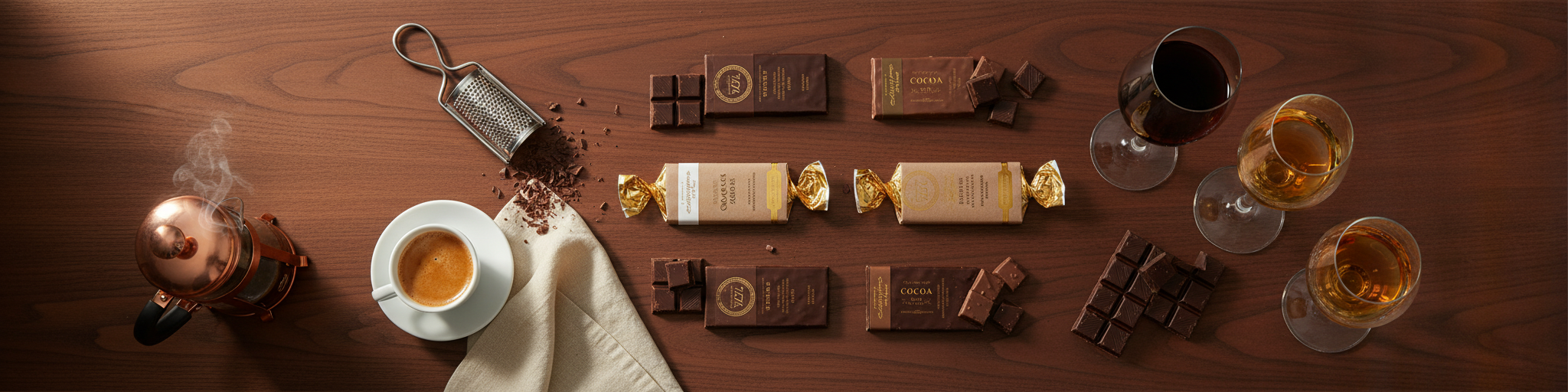
This definitive guide transforms anyone into a confident chocolate sommelier by revealing how terroir-driven cacao, nuanced roast levels, and shared volatile compounds create electric harmonies—or jarring clashes—with wine, coffee, and spirits. Readers learn a science-backed flavor-wheel system for matching intensity, sweetness, and texture; practical rules such as “wine must meet or exceed chocolate’s sugar” and “espresso’s roasted notes echo 70 % cacao”; and temperature tricks that let the same brew swing from earthy to fruity as it cools, unlocking new pairing dimensions. From bourbon-barrel stout notes that amplify salted-caramel dark chocolate to a chilled 25 °C Yirgacheffe that makes berry-toned bars sing, the article maps every combination, then walks through palate-cleansing, sequencing, and presentation so home tastings feel Michelin-starred. Master these principles and every sip—whether ruby-port-finished bourbon or a cherry-cask Dominican rum—becomes a dial you can turn to spotlight hidden citrus, tobacco, or malt within fancy chocolate, turning casual nibbles into unforgettable sensory narratives.
Understanding Fancy Chocolate: Flavor Profiles and Textures
Taste Madagascar’s bright berry-bright Criollo chocolate side-by-side with Venezuela’s earthy Forastero, and you’ll instantly grasp how bean origin, small-batch fermentation, and 72-hour conching turn single-origin bars into layered stories of fruit, flowers, and soil—no additives needed.
Defining Fancy Chocolate
Fancy chocolate refers to artisanal, bean-to-bar, or gourmet chocolate that stands apart from mass-produced varieties through quality, craftsmanship, and flavor complexity. Unlike commercial chocolate, fancy chocolate begins with carefully selected high-quality cacao beans from specific growing regions like Madagascar, Venezuela, or Ecuador [1]. These beans are chosen for their unique flavor profiles—Forastero beans might deliver earthy depth, while rare Criollo beans offer more delicate, nuanced tastes [3].
The production process remains true to traditional methods: small-batch fermentation that develops complex flavor compounds, precise roasting that unlocks each bean's potential, and extended conching that creates silky texture [1]. This meticulous approach—exemplified by andSons Chocolatiers' combination of time-honored European processes with modern creativity—yields chocolate with multilayered flavor notes that unfold on your palate.
These notes can be fruity, floral, nutty, or earthy depending on bean origin and processing [1][2]. Beyond superior taste, fancy chocolate typically features minimal ingredients without artificial additives or preservatives, emphasizes ethical sourcing through direct farmer relationships, and often showcases artistic presentation that reflects the care invested in its creation [1][3].
Key Flavor Notes to Recognize
Recognizing flavor notes in fine chocolate is essential for creating complementary pairings. Fancy chocolate contains complex flavor profiles that extend far beyond simple sweetness. Dark chocolate delivers rich, complex flavors with bitter undertones and intense chocolate notes [5].
The higher the cocoa percentage (50-90%), the more pronounced these characteristics become. Milk chocolate offers creamy sweetness with vanilla undertones, creating a more mellow experience [5]. White chocolate, despite lacking cocoa solids, provides buttery sweetness with subtle notes of vanilla, fresh milk, and sometimes delicate floral hints, honey, or sweet cream [5].
The International Institute of Chocolate & Cacao Tasting has developed a scientific Flavor Profile Map based on neural network modeling of how the brain processes chocolate flavors [4]. This system, used for professional chocolate judging, helps identify the multilayered notes that unfold on your palate. When tasting fancy chocolate for pairing purposes, pay attention to whether it presents predominantly fruity, floral, nutty, earthy, or spicy characteristics, as these core flavor elements will determine the most harmonious beverage companions.
Texture Considerations for Pairing
Texture significantly influences successful chocolate pairings. Beyond flavor profiles, the mouthfeel of both chocolate and beverage creates either harmony or discord on the palate. Dark chocolate's tannins create a drying sensation that interacts with similar compounds in wine, potentially causing astringency when improperly matched [6].
This is why soft, semi-soft cheeses work better with chocolate than hard varieties—their fat absorbs and neutralizes chocolate's bitterness while enhancing latent nuttiness in both [6]. For optimal texture pairing, allow chocolate to begin melting (about 10 seconds) before introducing your beverage, creating what experts call "The Union" of flavors and textures [6]. With wine specifically, match intensity levels—lighter-bodied chocolates with lighter wines, and vice versa [7].
Tannin balance requires particular attention, as excessive tannins from both chocolate and wine can overwhelm the palate with chalk-like sensations rather than complementary textures [7]. Similarly, highly acidic wines can clash with chocolate's creamy texture, creating disharmony rather than enhancement [7]. This physical interaction explains why fortified dessert wines often succeed where dry reds fail—their sweetness smooths textural conflicts.
Seasonal and Origin Influences
Terroir—the unique environmental factors of a specific place—shapes chocolate flavor as profoundly as it does wine. While genetics establish a cacao bean's baseline characteristics, the soil composition, climate, altitude, and local microorganisms create distinctive taste signatures [8]. Different growing regions produce unmistakable flavor profiles: Venezuelan cacao (primarily Criollo hybrids) delivers chocolatey, nutty notes ranging from creamy to earthy; Ecuador and northern Peru (Nacional/Arriba varieties) develop blackberry, brown sugar, and floral qualities; while Central American beans offer strong chocolate flavors with hints of nuts and leather [10].
The Caribbean region produces distinctive tobacco and rum notes, contrasting sharply with West African bulk cacao's simpler, earthy profile [10]. These regional differences significantly impact pairing decisions. More acidic origins like Madagascar and Peru (typically produced at 63-65% cacao content) require beverages that complement their brightness, while milder Venezuelan varieties (often 70-80% cacao) pair better with drinks that enhance their subtle complexity [10].
Beyond geography, post-harvest processes—fermentation and drying—further express terroir characteristics, as local microorganisms and traditional techniques vary between regions [9]. Understanding these origin influences allows for more intentional pairings: fruity Ecuadorian chocolate might complement red wines with berry notes, while earthy Venezuelan varieties often harmonize with aged spirits that share their depth [8].
Fundamentals of Pairing Fancy Chocolate with Wine
Master the interplay of tannins, acidity, and sweetness—let the wine meet or out-sweet the chocolate, ensure enough acid to slice through its richness, and watch hundreds of shared flavor compounds fuse into a harmony that makes both taste better than either could alone.
Why Wine Complements Chocolate
Wine and chocolate complement each other through a complex interplay of chemistry and sensory elements. Both contain hundreds of flavor compounds that can create harmony when properly matched—fruity, bitter, or earthy notes in chocolate find counterparts in wine's diverse aromatic profile [11]. Tannins present in both red wine and dark chocolate create a structural balance when paired correctly, softening each other's astringency and highlighting subtler flavors [11].
The fat content in chocolate requires wine with sufficient acidity or alcohol to cut through its richness, cleansing your palate between bites [11]. This textural relationship matters as much as flavor—the smooth, melting quality of chocolate paired with wine of complementary body creates a multidimensional sensory experience [11]. Temperature also influences these interactions, with slightly chilled wine offering refreshing contrast to chocolate as it warms and releases flavors on your palate [11].
This chemical compatibility explains why chocolate and wine pairings consistently deliver sophisticated tasting experiences that exceed either component enjoyed alone.
Balancing Acidity and Sweetness
Successfully pairing chocolate and wine hinges on balancing sweetness and acidity. The fundamental rule: wine should match or exceed the chocolate's sweetness level to prevent bitter or sour flavor clashes [12]. This chemical interaction occurs because chocolate's sweetness and fat content can overwhelm a wine's fruit characteristics, making dry wines taste unexpectedly flat and astringent. A wine with sufficient acidity provides essential counterbalance to chocolate's richness, cleansing the palate between bites and preventing flavor fatigue [11].
The creaminess and fat in chocolate particularly demands this acidic cut-through—without it, pairings quickly become one-dimensional. Tannins add another dimension; when paired with high-cocoa chocolates, tannic wines can either create harmonious complexity or clash dramatically depending on their balance [11]. For optimal results, match intensity levels—lighter chocolates with delicate wines, richer chocolates with fuller-bodied options [11]. Wine's acidity determines specific interactions: milk chocolate's sweetness harmonizes beautifully with bright Rieslings that echo its sweetness while providing refreshing acidity [13].
Dark chocolate's natural bitterness benefits from wines with subtle sweetness to round its edges. White chocolate, lacking cocoa solids but rich in cocoa butter, requires crisp white wines that cut through its buttery texture rather than compete with its sweetness [13].
Red vs. White Wine Matchups
Despite common assumptions, most dry red wines clash with dark chocolate, creating bitter flavors as their tannins compete [14]. Successful pairings require strategic matching of wine to specific chocolate types. Milk chocolate finds its perfect partners in aromatic sweet whites (Gewürztraminer, Riesling) or fruity, low-tannin reds like Pinot Noir [14].
Dark chocolate demands wines with enough sweetness to counterbalance its intensity—dessert reds like Ruby Port, PX Sherry, and Banyuls create harmony rather than competition [14]. White chocolate presents a fascinating paradox, pairing successfully with dry reds that would overwhelm true chocolates. Try Pinot Noir, Beaujolais, or even structured Cabernet Sauvignon—their tannins complement white chocolate's creamy, buttery profile without the cocoa solids that would create conflict [14].
When exploring dark chocolate with dry reds, select lower-tannin varieties with pronounced fruit notes (certain Zinfandels, fruit-forward Grenaches) or choose chocolates with more moderate cacao percentages (around 55%) for better balance [14].
Practical Tasting Tips
To conduct a memorable chocolate and wine pairing, organize your tasting thoughtfully (detailed progression guidance appears in "Creating a Tasting Experience").
Begin by engaging your sense of smell—break the chocolate to release aromatic compounds, as up to 80% of perceived flavor comes from aroma [16].
When tasting, place the chocolate on your tongue and let it melt slowly before chewing to experience its full complexity [16].
Coffee Pairings: Elevating Fancy Chocolate with Brewed Excellence
By mapping coffee's 1,200 volatile compounds against chocolate's flavor spectrum using the Coffee Taster's Flavor Wheel and Sensory Lexicon's 1-15 intensity scale, you can scientifically pair light roast's citrus-berry notes with milk chocolate's delicate sweetness for a perfectly harmonious tasting experience.
Mapping Coffee Flavor Spectra
Coffee contains approximately 1,200 volatile compounds—rivaling wine in chemical complexity—that create its distinctive flavor profile [19]. The Specialty Coffee Association's Coffee Taster's Flavor Wheel maps these systematically, organizing descriptors from general categories at the center (fruity, floral, nutty) to increasingly specific attributes at the edges [18]. When pairing with chocolate, this standardized mapping becomes invaluable as it provides a common language for identifying complementary notes.
The flavor compounds aren't added artificially—they're inherent chemicals that trigger familiar sensory responses. When ethyl-3-methylbutanoate appears in both certain coffees and blueberries, it creates similar brain responses, evoking familiar flavors without actual blueberries present [19]. The World Coffee Research Sensory Lexicon enhances this mapping by assigning objective intensity scores on a 1-15 scale to each attribute, allowing precise matching with chocolate's equally complex spectrum [18].
Multiple factors influence coffee's flavor profile: growing altitude, soil minerals, processing methods, roasting levels, and brewing techniques all contribute unique chemical signatures [19]. This scientific mapping enables purposeful chocolate pairings based on shared or complementary compounds rather than random combinations—when working with both coffee and chocolate flavor wheels simultaneously, you can identify parallel notes that create harmonious tasting experiences.
Light Roast Versus Dark Roast Pairings
Roast level fundamentally determines which chocolates work best with your coffee. Light roasts preserve the coffee bean's intrinsic characteristics, showcasing bright acidity with citrus, floral, or berry notes that create dynamic pairings with specific chocolates [20]. These brighter profiles complement milk chocolate's subtle sweetness without overwhelming its delicate flavors—try light roasts brewed via pour-over or French press methods with lower-percentage milk chocolates for balanced harmony [20].
As chocolate intensity increases, shift toward darker roasts—medium roasts pair effectively with darker chocolates containing 60-70% cocoa, while full-bodied dark roasts or espresso best complement very dark chocolates (70%+ cocoa) [20]. This progression follows the same principle established with wine pairings—balancing flavor intensities for optimal harmony. The science behind these pairings involves either complementary or contrasting flavor relationships—light roasts with fruity acidity can enhance similar notes in single-origin chocolates, while dark roasts with chocolate and nutty undertones intensify parallel flavors in high-percentage bars [21].
For adventurous pairings, try Ethiopian light roasts with citrus notes alongside milk chocolate with orange essence, or pair chocolates containing fruits like raspberry or cherry with light roasts exhibiting berry acidity [22]. When experimenting with pairings, employ the melting technique described earlier in "The Union" method—allow chocolate to begin melting before introducing your coffee, releasing its full aromatic compounds and creating a more integrated tasting experience [20]. The versatility of light roasts makes them particularly adaptable to various chocolate types, whereas darker roasts typically require more deliberate pairing with equally robust chocolate profiles [22].
Espresso and Intense Chocolate Combos
Espresso and intense chocolate create a particularly powerful pairing due to their shared chemical compounds. The concentrated nature of espresso—with its robust flavor profile, creamy texture, and intense roasted notes—forms a natural bond with high-percentage dark chocolates that contain similar roasted, nutty, and earthy compounds [23]. This shared aromatic foundation allows them to enhance each other without either flavor overwhelming the palate.
The boldness of espresso cuts through the richness of intense chocolate while simultaneously softening its bitter edges, creating a multilayered tasting experience that highlights the complexity in both [23]. For optimal pairings, match espresso intensity with chocolate percentage—pair single-origin espressos featuring fruity acidity with 70-85% dark chocolates containing similar fruit notes, or try chocolate with orange essence alongside espressos with citrus undertones [23]. The textural interplay between these elements adds another dimension: the way a silky chocolate truffle melts on your tongue creates beautiful contrast against the warmth and viscosity of a well-pulled espresso [23].
Temperature manipulation further enhances these pairings—allowing chocolate to slightly melt before sipping espresso releases more volatile compounds and creates a more integrated sensory experience where the full complexity of both elements emerges [23]. Beyond simple side-by-side tasting, consider integrated experiences like affogato variations using high-quality chocolate ice cream, or try espresso-infused chocolate truffles that physically combine these flavor profiles.
Optimal Brewing and Serving Temperatures
Temperature dramatically alters which coffee flavors emerge to complement chocolate. At 70°C, coffee exhibits primarily roasted and earthy notes that pair well with dark chocolates containing similar robust profiles. As coffee cools to 44-50°C, increased sweetness becomes prominent while bitterness recedes, creating the ideal temperature range for pairing with milk chocolates where complementary sweet notes harmonize.
Between 31-37°C, coffee reveals its most complex characteristics—fruity, floral, and nutty compounds become more detectable, making this range perfect for origin-specific pairings with single-origin chocolates sharing similar flavor compounds [24]. For chocolate with bright fruit notes, serve coffee around 25°C when acidity peaks, allowing both elements to showcase parallel citrus or berry characteristics. When conducting tastings, consider serving the same coffee at different temperatures alongside a chocolate selection to demonstrate how the pairing dynamics transform—a 70% dark chocolate that tastes one-dimensional with hot coffee often develops remarkable complexity when that same coffee cools to 37°C.
This temperature progression creates an evolving tasting experience as volatile compounds in both the chocolate and coffee interact differently at each stage [24]. Remember to maintain your chocolate at the optimal 65-70°F throughout the tasting, as discussed in our presentation guidelines, ensuring both elements perform at their peak.
Spirits and Liqueurs: Sophisticated Pairings for Fancy Chocolate
Match bourbon to chocolate like a pro: let caramel-forward pours cozy up to milk chocolate, fruit-finished barrels marry 70% dark, and high-proof beauties cut through salted-caramel dark for a tasting journey that turns every cacao percentage into a flavor revelation.
Whiskey and Bourbon Harmony
Whiskey and chocolate share complementary flavor compounds that create memorable taste experiences when properly paired. Bourbon's caramel, fruit, spice, and tannic notes each interact differently with chocolate depending on cacao percentage and processing methods [25]. Bourbons aged in wine casks pair exceptionally well with darker chocolates (70%+) as the chocolate's bitterness contrasts with the sweet fruit notes imparted by port or wine barrel finishing [26]. The Angel's Envy finished in ruby port wine casks exemplifies this with its sweet profile complementing the intensity of 70% dark chocolate bars [26].
For milk chocolate lovers, high-rye bourbons offer ideal pairings through the contrast of creamy sweetness and peppery spice notes [26]. Rabbit Hole's Heigold, with its baking spice characteristics and smooth finish, creates a balanced experience alongside sweeter milk chocolates where seemingly contradictory flavors enhance each other [26]. Wheated bourbons like Larceny or Old Elk deliver softer, bread-like notes that harmonize with nut-infused chocolates—try milk chocolate covered nuts with Larceny or 72% dark chocolate with caramelized hazelnuts alongside Old Elk [26]. When exploring high-proof bourbons (50%+ ABV), look to intense sweet-savory combinations like salted caramel dark chocolate, where the bourbon's strength cuts through layered sweetness while emphasizing complexity in both [26].
For systematic exploration, organize tastings by flavor category—start with caramel-forward bourbons paired with milk chocolates, then progress to fruit-forward expressions with lighter dark chocolates (55-65%), spice-dominant bourbons with medium-dark chocolates (65-75%), and finally tannic bourbons with the darkest options (80%+) [25]. Consider pairing these spirits with artisanal bonbons from This approach reveals how different cacao percentages interact with bourbon's complex flavor spectrum [27].
Rum and Aged Spirit Pairings
Rum's production from sugarcane or molasses creates naturally sweet profiles that complement chocolate's complexity [30]. The spectrum of rum varieties—from light to dark, traditional (made from molasses) to agricultural (from sugar cane juice)—offers numerous pairing opportunities with specific chocolates [28]. Darker, longer-aged rums develop caramel notes that harmonize with milk chocolate sharing similar flavor compounds [29].
For Cuban rums with their smooth characteristics, pair with 60-75% dark chocolate blends to enhance their versatility [28]. Dominican Republic rums, often aged in cherry casks, find perfect companions in gianduia or hazelnut milk chocolates that amplify their fruity undertones [28]. Caribbean rums with pronounced sweetness benefit from contrasting partners: white chocolate with salted dried fruits or dark chocolate with orange zest [28].
The aging process significantly impacts pairing decisions—lighter rums work best with milk chocolate and caramel blends, while darker aged varieties complement fruity inclusions and chocolates featuring warm spices like ginger and nutmeg [30]. For optimal tasting experiences, serve rum at room temperature to fully appreciate the flavor interplay [29], and sip the spirit first before tasting the chocolate to prepare your palate [28].
Brandy, Cognac, and Chocolate Synergy
Brandy and cognac create exceptional pairings with chocolate through their complementary chemical compounds. Cognac develops notes of vanilla, spice, and toasted sugar through barrel aging, while its white wine base contributes fruit and floral elements that evolve into dried fruit, nutty, tobacco, and even dark chocolate notes over time [31]. This natural flavor alignment makes pairing intuitive—dark chocolate amplifies the depth of aged spirits while spirits enhance chocolate's subtle complexities. The age classification system provides reliable pairing guidelines: XO (extra old) cognacs, with their complex layers of spice, caramelized sugar, and deep flavor notes, pair magnificently with dark chocolate truffles, high-percentage bars, and dark chocolate cake [31].
The richer flavors in both elements create combinations greater than their individual parts. VSOP cognacs offer perfect harmony with milk chocolate and confections containing nuts or nougat, as their typical dried fruit and nut aromas complement these chocolates' sweetness [31]. For sweet milk chocolate treats or ice cream desserts, VS cognacs provide brightness that cuts through richness while maintaining flavor harmony [31]. Serving temperature significantly impacts pairing success—keep cognac at room temperature while serving chocolate slightly chilled to create optimal flavor release [32].
As with wine pairings discussed earlier, take a small sip of brandy first before letting the chocolate melt on your palate, allowing both flavors to meld together [33]. This technique reveals how the brandy transforms chocolate's flavor profile into a multidimensional experience where complementary compounds enhance each other's best qualities.
Craft Cocktail Integrations
Chocolate bitters transform cocktails by adding depth and subtle richness without cloying sweetness. Unlike chocolate syrups or liqueurs, these concentrated infusions—created by steeping cacao nibs in high-proof alcohol—contribute earthiness, nuttiness, and maltiness while preserving balance [34]. For spirit-forward drinks, try The Left Hand, a bourbon-based Negroni variation with Campari, sweet vermouth, and chocolate bitters that rounds off bourbon's spice while tempering Campari's sharpness [34].
When pairing with dark chocolate tastings, explore rum-based options like The Swizzle, combining dark rum, coffee liqueur, chocolate bitters, lime juice, and coconut cream—the caramel notes from rum complement similar compounds in chocolate while citrus brightens the experience [34]. For cognac pairings, the Widow's Kiss blends cognac with herbal liqueurs and chocolate bitters, creating a rich, warm profile that enhances dark chocolate's complexity [34]. Temperature and texture considerations remain crucial; when serving chocolate alongside cocktails containing chocolate bitters, follow the melting technique outlined in our wine pairing section to release complementary aromatic compounds [35].
For more adventurous pairings, try the Chocolate & Cherry Manhattan with rye whiskey, sweet vermouth, cherry syrup, and chocolate bitters alongside a cherry-infused dark chocolate, or the Tiramisu Espresso Martini with coffee liqueur and chocolate bitters that mimics the classic Italian dessert's flavor profile [35][36].
Creating a Tasting Experience: Presentation, Order, and Palate Cleansing
Transform your next chocolate tasting into a luxe sensory journey by orchestrating the setting, sequencing from 56% cacao with Port to 70%+ with Zinfandel, and pausing 3–5 minutes between pairings to let each flavor star.
Setting an Elegant Tasting Environment
The physical environment profoundly shapes how we perceive chocolate's nuanced flavors during pairings. Professional chocolate sommelier Estelle Tracy, who has conducted hundreds of tastings since 2017, hosts events at prestigious venues including regional wineries, private clubs, and for luxury clients like LVMH and Google [37].
These refined settings elevate the sensory journey of fine chocolate and beverage pairings—a principle that resonates deeply with the Beverly Hills chocolate experience. When curating your own tasting environment, embrace the insight that people naturally gravitate toward multi-sensory experiences—Tracy notes that while standalone chocolate tastings draw limited interest, pairing chocolate with wine significantly increases appeal [37].
This understanding reinforces that presentation creates magic; thoughtfully combining elements transforms a simple tasting into an unforgettable sensory adventure. For intimate home tastings, apply this philosophy by creating an atmosphere that celebrates both chocolates and beverages as co-stars in your culinary performance, each element enhancing the other's brilliance.
Strategic Pairing Order for Maximum Impact
The sequence of your pairings orchestrates the entire flavor journey. Building from the principles explored in our wine pairing section, always progress from delicate to intense—this fundamental approach prevents palate fatigue while allowing each pairing to shine [15]. Begin with lighter chocolates (around 56% cacao) paired with sweeter wines like Port before advancing to darker varieties (70%+ cacao) with more robust wines like Zinfandel [15].
For an exquisite tasting experience, start with white chocolate alongside aromatic whites or sparkling wines, gracefully transition through milk chocolate with light reds or sweet whites, explore medium-dark chocolate (50-70%) with medium-bodied reds, and crescendo with high-percentage dark chocolate paired with bold reds or fortified wines [38]. Allow 3-5 minutes between tastings—chocolate flavors linger luxuriously, especially with high-percentage dark varieties, so mindful pacing prevents flavor confusion while building anticipation [38]. Curate your progression to 4-6 pairings maximum, preserving your palate's ability to appreciate each nuance [38].
As discussed earlier, temperature remains crucial—serve chocolate at 65-70°F to unlock its full aromatic potential [38]. This choreographed progression transforms individual pairings into a memorable sensory narrative [38].
Effective palate cleansers
Proper palate cleansing between chocolate samples ensures accurate flavor perception throughout your tasting experience. Professional chocolate tastings typically feature room temperature sparkling water as the most effective cleanser—the effervescence helps physically clean the tongue of lingering cocoa butter without introducing competing flavors [39][16]. Plain water works well, but avoid mineral waters containing salt or strong mineral content that could alter subsequent tastings [39].
For food-based cleansers, thin slices of apple prove remarkably effective—their natural acidity, pectin, and fiber eliminate chocolate residue without leaving their own aftertaste when followed by water [39]. Traditional options include plain white bread (specifically non-sourdough varieties) which effectively absorbs cocoa butter coating your taste buds [39]. For tastings involving multiple chocolate varieties, consistency matters most—use the same palate cleanser throughout your event to ensure all comparisons start from the same baseline [39][40].
Some chocolate experts specifically recommend Yunnan Bo Nay tea (also called Pu Erh) for its exceptional ability to remove oils while complementing chocolate flavors [39]. Whatever your choice, avoid cleansers that introduce competing flavors or extreme temperatures that could temporarily alter your perception—frozen sorbets make your mouth too cold to properly taste the next chocolate sample [39].
Designing Pairings for Events and Menus
Successful pairing events demand thoughtful curation that guides guests through an unforgettable flavor journey. For chocolate-centered celebrations, orchestrate a progression from delicate to intense—begin with white chocolate paired with aromatic whites or sparkling wines, flow through milk chocolate with light reds, and culminate with high-percentage dark chocolate alongside bold beverages [41]. This architecture prevents palate fatigue while building delicious anticipation.
When designing restaurant pairings, showcase complementary combinations prominently on your menu to guide guests effortlessly while enhancing sales of both elements [43]. For memorable tasting events, consider presentation elements that elevate the experience—warm wood serving boards, softly dimmed lighting, and chocolate-hued candles create ambiance without overwhelming the senses [42]. Provide each guest with dedicated glasses for different wine types, elegant plates for chocolate samples, and beautifully designed tasting cards to capture their impressions [42].
For those seeking to recreate the magic at home, consider offering curated pairing collections—perhaps featuring artisanal bonbons paired with wine recommendations—complete with QR codes linking to expert tasting notes [43]. This format flourishes in recurring gatherings—establish a monthly tasting society where hosting duties rotate, exploring themes from single-origin bars to hand-crafted truffles across sessions [41].
- Wine must match or exceed chocolate's sweetness to avoid bitter clashes.
- Dark roasts pair with 70%+ cacao; light roasts suit milk chocolate.
- Let chocolate melt 10s before sipping beverage for optimal flavor union.
- Serve same coffee at 25–70°C to reveal different chocolate-complementing notes.
- High-proof bourbons need salted caramel dark chocolate for balance.
- Progress tastings from white to milk to dark chocolate to prevent palate fatigue.
- Use sparkling water or apple slices to cleanse palate between samples.
- https://www.chocolatetastinginstitute.org/chocolate-and-cacao-flavor-profile-map/
- https://www.yorktest.com/us/blog/choosing-between-milk-dark-white-chocolate/
- https://toakchocolate.com/blogs/news/chocolate-pairing-recommendations
- https://www.brookswine.com/surprising-complexity-of-pairing-wine-chocolate/?srsltid=AfmBOopfhZqG7G5KrqoN3k0OS8NDOwUttElibosXNWfl2wrhhZoNwP1a
- https://shekoh.com/blogs/news/the-influence-of-terroir-on-chocolate-flavor
- https://silva-cacao.com/news/unwrapping-origin-terroir-and-identity-in-chocolate/
- https://www.epicsi.co.uk/blog/The-impact-of-cacao-origin-and-terroir
- https://lakechelanwinevalley.com/the-science-of-wine-chocolate/
- https://www.winespectator.com/articles/abcs-of-pairing-wine-and-chocolate
- https://www.jedwardswinery.com/wine-and-chocolate-a-sweet-storied-affair
- https://winefolly.com/wine-pairing/what-wines-to-pair-with-chocolate/
- https://brisangroup.com/blog/wine-and-chocolate-pairing-101
- https://www.thechocolateprofessor.com/blog/experts-6-tips-for-tasting-craft-chocolate
- https://www.rococochocolates.com/en-us/blogs/blog/the-art-of-pairing-wine-and-chocolate-key-principles-for-a-perfect-match?srsltid=AfmBOop8TmEPENCK_mwh1irVa4dTVS50Cn9j5MzVDPEgW7ZgoZ3dH0L8
- https://notbadcoffee.com/flavor-wheel-en/
- https://www.peets.com/blogs/peets/the-terminology-of-coffee-tasting-notes
- https://legacychocolates.com/blogs/news/the-art-of-pairing-chocolate-and-coffee
- https://www.solude.coffee/blogs/news/the-ultimate-coffee-lover-s-guide-to-pairing-flavors-like-a-barista
- https://frontiercoffeeroasters.com/blogs/frontier-coffee-roasters-blog/pairing-light-roast-coffee-with-desserts-a-sweet-guide?srsltid=AfmBOoreo4C7IJyXM63rmM0b5tqNwGys7yI5pHfTri1RDGTzQKPXhezk
- https://www.nespresso.com/my/en/blog/chocolate-coffee-pairings
- https://perfectdailygrind.com/2019/11/how-temperature-can-impact-your-experience-of-coffee/
- https://bourbonveach.com/2016/11/14/pairing-bourbon-with-chocolate/
- https://www.thechocolateprofessor.com/blog/4-chocolate-bourbon-pairings
- https://www.thehighfivecompany.com/whisky-and-chocolate-pairing/
- https://eu.venchi.com/blog/rum-and-chocolate-whats-the-best-combination
- https://cwspirits.com/blogs/spirits/a-beginner-s-guide-to-chocolate-and-spirit-pairing
- https://worldwidechocolate.com/pairing-chocolate/chocolate-and-liquor/rum/?srsltid=AfmBOooHORbNhewMTuzIKEDskwBYjywaiZnUu_TlbDUyvsjBx8TcA6l0
- https://www.thechocolateprofessor.com/blog/chocolate-cognac-pairings
- https://cognac.com/a-guide-to-pairing-cognac-and-chocolate/
- https://www.napavalleybrandyco.com/the-brandy-blog/brandy-and-food-pairing
- https://www.thethreedrinkers.com/magazine-content/5-stunning-cocktails-made-with-chocolate-bitters
- https://37chocolates.com/2024/04/19/the-beginners-guide-to-pairing-wine-chocolate/
- https://www.justinwine.com/blog/chocolate-wine-pairing-guide?srsltid=AfmBOooJEMlwhE9nlHIfH05VE41VmBDNaZJ1zn48UPfrM0ddkJWTnsOK
- https://forums.egullet.org/topic/30201-chocolate-tasting/
- https://cookienameddesire.com/how-to-host-a-chocolate-tasting/
- https://www.thenibble.com/reviews/main/chocolate/tasting-party.asp
- https://www.kj.com/blog-wine-chocolate-pairing-tasting-party.html?srsltid=AfmBOopMaibfylz7x4URNTnhPuTRlhGtfuoe585IM2iVK_7SH_KcEzro
- https://www.gloriafood.com/food-and-beverage-pairing-techniques