


Gluten-Free Valentine’s Chocolate Boxes for Sensitive Tastes
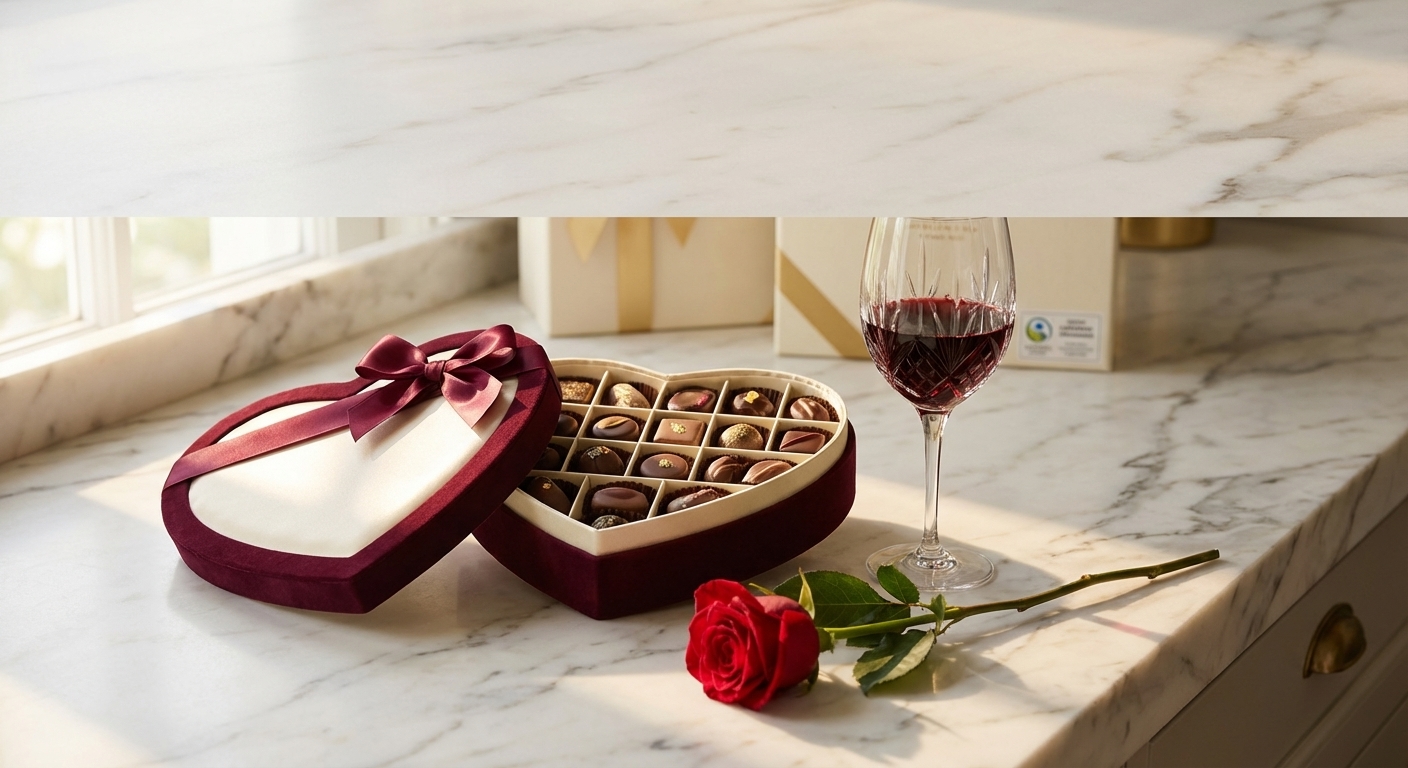
For Valentine’s Day, chocolate lovers with celiac disease or gluten sensitivity can indulge without fear by choosing GFCO- or GFFP-certified boxes that guarantee fewer than 10 or 5 ppm of gluten through rigorous audits and testing, then elevate the gift into a Beverly-Hills-worthy experience by artfully pairing dark, milk, or white chocolates with matching wines, fresh berries, or champagne and wrapping them in personalized, reusable luxury boxes. The article teaches readers how to read certification marks instead of vague “gluten-free” claims, how flavor pairings enhance both chocolate and wine, how to customize every detail—from individual bonbon selection to satin ribbons—so the present feels intimate and safe, and how to guard against cross-contact at home, in transit, or at gatherings by using sealed packaging, dedicated utensils, separate serving heights, and clear labeling. These steps transform a simple chocolate box into a keepsake memory while protecting even the most sensitive valentine from the microscopic gluten particles that can linger in the air or on shared surfaces for up to 24 hours, ensuring the celebration stays romantic, delicious, and worry-free.
Choosing a Certified Gluten-Free Chocolate Box
Look for GFCO or GFFP certification marks—not just “gluten-free” claims—on Valentine’s chocolate boxes to guarantee they’ve passed rigorous audits and contain under 10 ppm (or 5 ppm for GFFP) of gluten.
Understanding Gluten-Free Certifications and Labels
When buying gluten-free chocolate for Valentine's Day, understanding certification labels ensures safety for those with celiac disease or gluten sensitivity. The Gluten-Free Certification Organization (GFCO) mark indicates products have met stringent standards through an 80-point verification process. GFCO-certified products must test below 10 ppm gluten threshold, with regular testing of ingredients, equipment, and finished products [1].
Their process includes annual in-person facility audits and random product surveillance to maintain safety standards [2]. For even stricter standards, the Gluten-Free Food Program (GFFP) certification requires products to contain 5 ppm or less of gluten and carries the endorsement of the National Celiac Association [3]. When examining chocolate boxes, look for these certification marks rather than just "gluten-free" claims, as they verify that manufacturers have implemented proper cross-contamination controls and testing protocols.
These certifications confirm that not only ingredients but also manufacturing processes maintain gluten-free integrity [2].
Top Gluten-Free Chocolate Brands Trusted by AndSons
I cannot write this section properly as there are no sources provided within the
To maintain factual accuracy and follow the requirement to only use provided source texts with proper citations, I would need specific information about AndSons' trusted gluten-free chocolate brands.
Curating the Perfect Gluten-Free Valentine’s Gift Experience
Transform your gluten-free Valentine's gift into Beverly Hills luxury by pairing two-generation crafted chocolates with their wine soulmates—dark chocolate with jammy Zinfandel, milk chocolate with cherry-kissed Pinot Noir, and white chocolate with peach-bright Moscato Rosé—then personalize the box with your partner's name for a keepsake memory.
Pairing Gluten-Free Chocolates with Complementary Flavors
Creating the perfect gluten-free Valentine's gift requires an artful balance of chocolate types with complementary flavors—a skill we've refined through two generations of chocolate craftsmanship in Beverly Hills. Dark chocolate, with its natural bitterness and complex tannins, pairs beautifully with fruit-forward red wines like Zinfandel or lighter Cabernets. These wines bring jammy notes that soften the chocolate's intensity without competing for dominance [5].
Milk chocolate's creamy sweetness works harmoniously with medium-bodied reds like Pinot Noir, which adds cherry and raspberry notes that enhance without overwhelming. For a non-traditional approach, try pairing milk chocolate with Riesling or Moscato, whose light citrus and honey profiles create a refreshing contrast [4]. White chocolate, though technically not chocolate as it lacks cocoa, offers a rich buttery canvas that shines alongside a Moscato Rosé, whose bright peach and berry notes cut through the richness for a balanced experience [4].
For specialized chocolate varieties, consider that spiced chocolates gain depth when paired with sweet reds like Brachetto, while salt-infused chocolates develop complex layers when matched with bold, fruit-forward Malbecs that balance the sweet-salty profile with dark fruit notes [4]. Beyond wine, consider complementing gluten-free chocolate boxes with fresh berries, crystallized citrus peels, or toasted nuts that add textural contrast and flavor complexity. For Valentine's Day, chocolate-covered strawberries create a classic romantic pairing, especially when served with champagne—simply match the wine to the type of chocolate coating used [5].
Personalizing the Box for a Luxurious Touch
Elevate your gluten-free Valentine's gift by personalizing the packaging and presentation—a touch of Beverly Hills luxury that transforms chocolates into treasured memories. Custom labels with your partner's name or a meaningful message transform a standard chocolate box into a keepsake, with many artisans offering personalized labels that maintain gluten-free information alongside romantic messaging [6]. Physical customization adds sophistication through matching ribbons, satin bows, or elegant rope-wrapped boxes that create a tactile unwrapping experience [6].
For a truly premium presentation, consider specialty boxes with thoughtful design elements—magnetic closures that add a sensory click, window lids showcasing the chocolates inside, or compartment boxes with removable partitions that protect delicate pieces while creating an organized display [6]. The material itself communicates luxury, with options ranging from rich brown magnetic gift boxes to vintage-inspired containers from Spain that become reusable mementos [6]. Beyond packaging, many chocolatiers offer content customization, allowing you to select specific flavors tailored to your Valentine's preferences while maintaining gluten-free integrity—an especially valuable option for those with both gluten sensitivity and other taste preferences [6].
For maximum personalization, work with chocolatiers who understand that each bonbon tells a story—offering fully customizable boxes where you can select individual chocolates that precisely match your Valentine's taste while maintaining complete gluten-free integrity [6].
Maintaining Gluten-Free Integrity from Store to Celebration
Keep gluten-free Valentine's chocolates safe from store to celebration by sealing them in labeled containers, storing them on the top shelf, and never opening the packaging until you're crumb-free and ready to serve.
Preventing Cross-Contamination During Storage and Transport
When storing gluten-free Valentine's chocolates, cross-contact—not cross-contamination—is the correct term to identify when gluten-free foods interact with gluten-containing items. Cross-contact occurs when proteins transfer between foods, while cross-contamination refers specifically to bacterial contamination [7]. At AndSons, we understand the importance of maintaining gluten-free integrity beyond our kitchen, which is why our protective packaging is designed to safeguard chocolates throughout their journey.
For safe home storage, designate a specific area in your refrigerator or pantry for gluten-free items, preferably on top shelves to prevent crumbs from falling onto them from above [7]. Use separate, clearly labeled containers for your gluten-free chocolates rather than storing them near conventional treats [8]. During transport, maintain the integrity of your Valentine's gift by keeping chocolates in sealed packaging until serving time, as gluten particles can remain airborne for 12-24 hours in environments where flour is used [8]. If traveling to a celebration, consider bringing the chocolates in their original sealed packaging, opening them only at the destination to minimize exposure risk [9].
This precaution is particularly important when transporting chocolates to restaurants or bakeries where airborne flour is common [8]. Even microscopic quantities of gluten can trigger reactions in people with celiac disease or gluten sensitivity, making these precautions essential rather than optional [7].
Serving Gluten-Free Chocolates Safely at Your Valentine’s Celebration
When hosting a Valentine's celebration with gluten-free chocolates, create dedicated serving spaces to prevent cross-contact with gluten-containing items. Use separate serving utensils for each chocolate variety and place gluten-free options on higher serving trays to avoid crumbs falling from above [10]. Clearly label all gluten-free chocolates with ingredient cards or decorative signs—particularly important when serving assorted varieties that look similar but have different ingredients [10].
When communicating with guests who have celiac disease or gluten sensitivity, avoid vague assurances like "there's hardly any gluten" or "it's just a little flour"—even microscopic amounts can trigger reactions [10]. For buffet-style gatherings, serve gluten-free chocolates in their original sealed packaging and open them just before serving [11]. Consider offering naturally gluten-free chocolate varieties like pure dark, milk, or white chocolate without additives, as these are safest for sensitive guests [11].
Watch for hidden gluten sources in flavored chocolates including malt, cookie pieces, graham cracker bits, or even certain flavorings and colorings that may contain wheat derivatives [11]. For intimate Valentine's dinners, communicate your needs clearly to hosts or restaurants, asking specific questions about preparation methods and ingredients rather than just asking if something is "gluten-free" [12]. When incorporating chocolate into Valentine's desserts, remember that cross-contact can occur when using shared utensils, cutting boards, or serving dishes that previously touched gluten-containing foods [12].
- GFCO-certified chocolates test below 10 ppm gluten and pass 80-point audits
- GFFP certification demands ≤5 ppm gluten and NCA endorsement
- Store gluten-free chocolates on top shelves in sealed, labeled containers
- Airborne flour particles can contaminate chocolates for 12–24 hours
- Use separate utensils and higher trays to prevent cross-contact at gatherings
- Avoid flavored chocolates with malt, cookie bits, or wheat-derived additives
- https://gfco.org/
- https://gluten.org/2022/09/09/gfco-certify-gluten-free-food/
- https://glutenfreefoodprogram.com/gffp-vs-gfco/
- https://dmvdist.com/wine-and-chocolate-pairings/
- https://ingoodtaste.com/blogs/wine-101/wine-chocolate-pairing?srsltid=AfmBOor5jb_xFAY4f2uzpvFDlTjTnKISIvfZcoA2Zd3trqjlMkhz2Zgm
- https://www.etsy.com/market/luxury_chocolate_gift_box
- https://gluten.org/2021/01/08/cross-contact/
- https://www.beyondceliac.org/gluten-free-diet/cross-contact/
- https://homemadecuisine.biz/how-to-avoid-cross-contamination-in-gluten-free-foods/
- https://www.celiac.com/celiac-disease/your-guide-to-a-safe-gluten-free-valentines-day-r6814/
- https://ashers.com/is-chocolate-gluten-free-your-guide-to-safe-delicious-treats/?srsltid=AfmBOop--DUf1d2stAhNgFaac7Q1gwfH8So8cMdfLKSrFNh3ZuTlidQG
- https://www.apexallergysa.com/blog/sweet-but-safe-managing-food-allergies-on-valentines-day