


Dark Chocolate vs. Milk Chocolate: Taste, Nutrition, and Which Wins
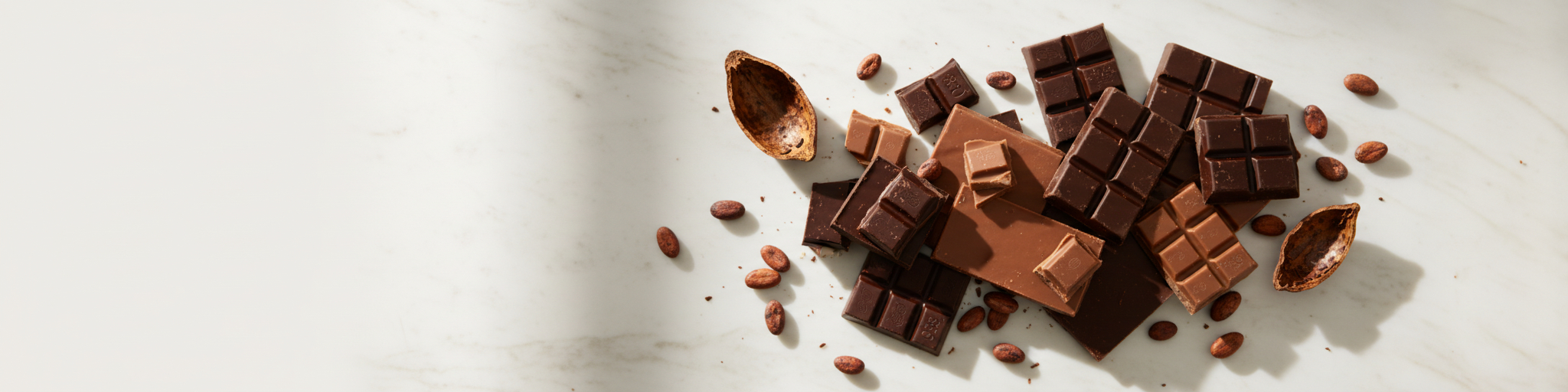
Dark chocolate and milk chocolate differ dramatically in cocoa content, sugar, dairy, processing, and health impact—this article unpacks every layer so you can buy, cook, and indulge smarter. Readers learn why a 70 % dark bar delivers five times more antioxidants and longer satiety yet only half the sugar of its milk counterpart, how conching temperatures shape silky versus complex flavor profiles, and what minimum cacao percentages U.S. and E.U. regulations actually require. It guides bakers on swapping 65–85 % chocolates for nuanced desserts, explains label red flags like sugar listed first or hidden palm oil, and maps ethical certifications that move farmers toward living incomes. From decoding price-quality disconnects and navigating diabetes-friendly stevia-sweetened bars to spotting single-estate origins and sustainable packaging that one in three shoppers now demand, the piece equips chocolate lovers to match taste goals, dietary needs, and values in 2025’s fast-growing premium market.
Understanding the Basics of Dark Chocolate vs Milk Chocolate
Dark chocolate’s cocoa-forward intensity and regulatory vagueness stand in sharp contrast to milk chocolate’s creamy, FDA-defined indulgence, so scrutinize labels for cocoa percentages and hidden dairy before choosing.
What Defines Dark Chocolate
Dark chocolate represents the purest expression of cacao's complexity—a sophisticated canvas where cocoa solids, cocoa butter, and sugar unite in proportions that emphasize the bean's natural character. Unlike its sweeter counterpart, dark chocolate contains a higher cocoa percentage that allows the true essence of carefully selected beans to shine through [3]. Interestingly, the FDA has no legal definition specifically for "dark chocolate" in the United States [2].
What chocolatiers craft as dark chocolate legally falls under the category of "sweet chocolate," encompassing both semi-sweet and bittersweet varieties [2]. From a regulatory standpoint, FDA standards require semi-sweet and bittersweet chocolates to contain at least 35% cocoa solids [3], while European standards—reflecting centuries of chocolate tradition—mandate minimum 18% cocoa butter, at least 35% total dry cocoa solids, and minimum 14% dry non-fat cocoa solids [3]. The percentage displayed on premium dark chocolate bars represents the combined amount of chocolate liquor and cocoa butter, with the remainder primarily being sugar [3].
For perspective, a 50% cocoa content chocolate typically contains about 49% sugar [2]. Master chocolatiers understand that dark chocolate may contain optional dairy ingredients like butter oil to prevent fat bloom, making label scrutiny essential for those with milk sensitivities [2]. Whether called "plain chocolate" in Britain or "black chocolate" in East Asia, this variety distinguishes itself through its firmer snap, more complex texture, and the bold, nuanced flavors that emerge when cocoa takes center stage [3].
What Defines Milk Chocolate
Milk chocolate embodies a harmonious marriage of cocoa and dairy, creating the creamy indulgence that has captured American palates for generations. Unlike the regulatory ambiguity surrounding dark chocolate, milk chocolate enjoys precise legal definition in the United States. FDA regulations stipulate that authentic milk chocolate must contain at least 10% chocolate liquor (calculated through specific formulas accounting for cacao fat and other components), a minimum of 3. 39% milkfat, and at least 12% total milk solids [4].
This standardized identity ensures consistency across the category, with artisan chocolatiers building upon these foundations to create distinctive interpretations. Within these parameters, craftspeople may incorporate nutritive carbohydrate sweeteners, select spices, natural flavorings, premium dairy ingredients (including cream, butter, and various milk forms), and carefully measured emulsifying agents not exceeding 1% of total weight [4]. This beloved variety maintains its position as America's favorite chocolate style [6], offering approachable sweetness balanced with subtle cocoa notes. Products falling short of these exacting standards cannot legally bear the milk chocolate designation in U.
S. markets, regardless of their sensory similarities [5]. Beyond meeting composition requirements, milk chocolate producers must also navigate FDA's comprehensive food safety protocols under the Preventive Controls rule [6].
Key Ingredient Differences
The artistry of chocolate-making reveals itself through three fundamental distinctions between dark and milk varieties. First, cocoa content defines each chocolate's soul—dark chocolate showcases 50-90% cacao concentration, while milk chocolate presents a gentler 10-50% [7]. This dramatic variance shapes everything from flavor intensity to texture, with higher percentages delivering the complex, sometimes challenging notes that connoisseurs prize. The second defining element is dairy's presence or absence. Milk chocolate requires at least 12% milk solids—whether as liquid, fat, or powder—to achieve its signature creaminess [7].
Dark chocolate, conversely, achieves its silky texture through skillful use of cocoa butter alone, maintaining its dairy-free status [7]. Discerning consumers should note that shared production facilities may introduce trace dairy through cross-contamination, as many chocolatiers craft both varieties using the same equipment [8]. Sugar composition marks the third crucial difference, fundamentally shaping each chocolate's character. Milk chocolate's higher sugar content per ounce creates its crowd-pleasing sweetness [7], while dark chocolate's restrained sugar levels allow cacao's natural complexity—those coveted bitter notes and aromatic depths—to command attention [7]. European chocolatiers working with "fine" or "superior" dark chocolate must meet stringent standards: minimum 43% cocoa concentration, including at least 26% cocoa butter and 14% cocoa solids [9].
Quality-conscious chocolatiers distinguish themselves by ingredient integrity. While mass-market versions might incorporate vegetable fats, artificial flavors, or excessive emulsifiers that compromise both taste and texture [8], and European regulations permit up to 5% non-cocoa vegetable fats, premium producers eschew such shortcuts [9]. At andSons Chocolatiers, this commitment to pure ingredients honors both our European heritage and modern sensibilities.
How Production Methods Influence Flavor
The conching process—a time-honored technique perfected by European chocolatiers over centuries—fundamentally shapes how dark and milk chocolates develop their distinctive personalities. During this crucial phase, chocolate mass undergoes continuous mixing, grinding, and kneading that transforms raw potential into refined pleasure, removing unwanted volatile acids while coaxing forth the desired flavor compounds [10]. Temperature control during conching reveals the delicate science behind chocolate craftsmanship. Dark chocolate demands higher temperatures (up to 90°C) to manage its greater concentration of fermentation-derived volatiles, while milk chocolate requires gentler treatment at around 50°C to prevent the caramelization of precious dairy solids—a mishap that would introduce unpleasant lumps and compromise the silky texture chocolate lovers expect [10].
The duration of conching speaks to both bean quality and chocolatier expertise. Premium Fino de Aroma beans need only 2-7 hours of careful conching to preserve their natural fruity and floral notes—a testament to starting with exceptional raw materials. In contrast, bulk cocoa beans may require 12-78 hours to tame harsher flavor compounds [10]. These processing nuances directly contribute to dark chocolate's layered complexity versus milk chocolate's approachable smoothness.
Beyond flavor development, conching ensures cocoa butter properly envelops solid particles, creating the distinctive mouthfeel that defines each chocolate style [10]. This meticulous attention to process—understanding how time, temperature, and technique interplay—distinguishes artisanal chocolate-making from mass production, setting the stage for the remarkable flavor profiles explored in the following section.
Flavor Profiles and Sensory Experience
From 50% to 100% cocoa, dark chocolate’s 600-plus aromatic compounds shift the tasting experience from gentle cocoa-sweet harmony to an intense, savory-bitter complexity that reveals fruit, spice, or earth notes as you let each square melt slowly on your tongue.
Taste Characteristics of Dark Chocolate
Dark chocolate delivers a complex flavor spectrum that varies dramatically with cocoa percentage. Starting at 50% cocoa content, dark chocolate offers a delicate balance between bitterness and sweetness with relatively smooth flavor notes [13]. As the percentage increases to 70-80%, the taste becomes more robust and pronounced, with cocoa bitterness taking center stage while revealing subtle notes of fruit, spice, or earthiness [13]. Ultra-dark varieties (85-100%) provide an intense experience with minimal sweetness, developing deep bitter notes that create an almost savory quality [13].
This complexity stems from over 600 aromatic compounds present in dark chocolate [12]. The higher the cocoa percentage, the more these compounds express themselves through increased intensity, reduced sweetness, and more pronounced bitterness and astringency [11]. However, well-crafted high-percentage chocolates balance these bitter elements with complex fruity, nutty, or floral undertones that reward mindful tasting [11]. This rich flavor profile invites contemplation—encouraging connoisseurs to notice subtle transitions from initial taste to lingering finish [12].
Beyond percentage, bean origin significantly impacts flavor, with different growing regions producing distinct profiles based on climate, soil, and processing methods [13]. Master chocolatiers understand these nuances intimately, using them to create sophisticated flavor combinations in premium confections.
Taste Characteristics of Milk Chocolate
Milk chocolate offers a distinctively sweet, creamy flavor profile that sits between the buttery notes of white chocolate and the robust intensity of dark varieties [16]. Its fundamental character comes from the balance of sugar content and cocoa richness, creating a harmonious taste experience that appeals broadly [14]. The addition of milk powder or condensed milk contributes to its signature velvety texture that distinguishes it from darker chocolates [14]. Professional chocolate evaluations require approximately eight distinct descriptors to fully capture milk chocolate's complete sensory profile [15]. Its flavor spectrum includes primary notes of caramel and cocoa, complemented by subtle undertones of vanilla and dairy cream [14][16].
The interaction between milk solids and cocoa creates secondary flavor notes that can include malt, honey, and brown sugar, adding dimension beyond its straightforward sweetness [14]. These nuanced flavors make milk chocolate an ideal canvas for artisanal bonbons, where complementary ingredients can enhance rather than mask its inherent qualities. Texturally, milk chocolate provides a distinctive mouthfeel characterized by smooth, progressive melting [15]. Quality milk chocolate releases flavor compounds in sequence—starting with immediate sweetness, followed by developing dairy notes, and finishing with subtle cocoa undertones [16]. This gradual evolution makes milk chocolate accessible to palates that might find dark chocolate overwhelming while still offering more complexity than white chocolate [16].
For optimal tasting, ensure milk chocolate reaches room temperature to allow its complete flavor spectrum to emerge [16]. When comparing different chocolates, start with milk varieties before progressing to darker percentages to prevent flavor fatigue [16]. Listen for a clean snap when breaking the chocolate—indicating proper crystallization—then allow it to melt on your tongue to fully experience its development from initial sweetness through the dairy-cocoa finish [16]. This methodical approach to tasting reveals why quality matters: premium milk chocolate offers complexity that mass-produced alternatives cannot match.
Texture and Mouthfeel Comparison
Dark and milk chocolate create distinct physical sensations during consumption. Dark chocolate offers a firmer texture that requires more bite force, producing a clean, sharp snap that indicates proper tempering [17]. This snap signals quality crystallization of cocoa butter—a characteristic that's less prominent in milk chocolate due to its dairy content [17]. The melting behavior creates the most noticeable difference between varieties. Both types have melting points below body temperature, but dark chocolate melts more gradually, releasing flavor compounds systematically as cocoa butter liquefies [17].
Milk chocolate transitions more rapidly from solid to liquid state, creating an immediate creaminess that some consumers prefer [18]. The mouthfeel differences stem directly from composition: milk chocolate contains milk fat and higher sugar content that creates its characteristic velvety sensation [18]. Dark chocolate relies on cocoa butter for smoothness, which produces a richer but less creamy sensation [18]. Particle size distribution significantly affects texture perception—larger particles create graininess while finer grinding produces silkiness [18]. Well-crafted dark chocolate maintains a lingering presence that coats the palate, while milk chocolate offers a quicker dissolution that some find more immediately satisfying [18].
These textural differences aren't merely aesthetic—they fundamentally change how flavor compounds are released, with dark chocolate's slower melt allowing more time for complex flavor development [17]. Understanding these textural properties is essential for chocolatiers when crafting modern and classic bonbons—the shell's snap must complement the filling's texture to create a harmonious sensory experience.
Pairing Suggestions for Each Type
Successful chocolate pairing depends on matching texture, intensity, and sweetness levels between the chocolate and its companion [19]. While detailed gourmet pairings are explored in the Culinary Uses section, understanding basic pairing principles enhances appreciation of both chocolate types. Dark chocolate's intense, bitter profile creates distinctive opportunities—bold red wines like cabernet sauvignon offer deep fruit flavors that align with dark chocolate's richness [20][21].
Similarly, aged cheeses and dried fruits provide complementary contrasts. Milk chocolate requires partners that match its medium intensity and creamy texture—Merlot's velvety mouthfeel and bright strawberry notes complement its sweetness beautifully [21]. The principle remains consistent: seek balance rather than competition between flavors.
For those interested in exploring advanced pairing techniques and specific combinations, see the comprehensive guide in the Culinary Uses section below.
Nutritional Breakdown and Health Implications
Swap your milk-chocolate fix for a 70%+ cacao bar and you’ll trim fat, curb sugar, and stay satisfied far longer—often while naturally eating less.
Calorie and Fat Content
Dark chocolate generally contains less fat than milk chocolate despite both being calorie-dense treats. The difference stems from their composition—milk chocolate requires at least 12% milk solids (in liquid, fat, or powder form), contributing additional fat beyond the cocoa butter present in both varieties [22]. While neither qualifies as health food, dark chocolate's lower overall fat content gives it a slight nutritional edge [7].
The fat composition differs significantly between types: dark chocolate's fat comes primarily from cocoa butter—a natural fat with unique melting properties that creates chocolate's signature mouthfeel. Milk chocolate contains additional milk fat, affecting both its nutritional profile and texture [7]. This explains why dark chocolate may be the better option for calorie-conscious consumers, despite its rich taste [22].
For those watching fat intake, portion control remains crucial with both varieties. However, dark chocolate's more intense flavor often naturally leads to smaller serving sizes, potentially reducing overall calorie consumption despite similar caloric density per ounce [7]. When selecting chocolate, higher cacao percentages generally indicate lower overall fat content, making darker varieties (70%+ cacao) the better option for those monitoring fat intake [22].
Sugar and Carbohydrate Levels
Milk chocolate contains significantly more sugar than dark chocolate, which directly affects both taste and health implications. This fundamental difference stems from their composition—dark chocolate (50-90% cacao) prioritizes cocoa solids over sweeteners, while milk chocolate (10-50% cacao) relies on added sugar to balance cocoa's natural bitterness [7]. The impact extends beyond taste. Research demonstrates that dark chocolate better satisfies cravings throughout the day compared to milk chocolate [23].
In a randomized crossover study, participants who consumed dark chocolate reported significantly lower desire to eat something sweet for up to 5 hours afterward. This extended satiety effect led to participants consuming 17% fewer calories at their next meal after eating dark chocolate versus milk chocolate [23]. From a carbohydrate perspective, dark chocolate's lower sugar content translates to a lower glycemic response, potentially benefiting blood sugar management [22]. As chocolatiers at andSons understand, the percentage of cacao directly correlates with sugar content—our higher percentage bars naturally contain less sugar while delivering more complex flavor profiles. For those monitoring carbohydrate intake, darker varieties (70%+ cacao) offer the best balance of indulgence and mindful eating [22].
Micronutrients and Antioxidants
Dark chocolate significantly outperforms milk chocolate in micronutrient and antioxidant content. Dark chocolate contains five times more polyphenols and flavonoids than milk chocolate, offering greater antioxidant capacity [22]. The specific antioxidant compounds in dark chocolate include epicatechin, catechin, procyanidins, and anthocyanins, which collectively scavenge free radicals and reduce oxidative stress in the body [24]. The mineral profile of dark chocolate provides additional health benefits beyond its antioxidant properties. Per 100g, dark chocolate (60-69% cacao) contains substantial amounts of copper, zinc, iron, magnesium, and potassium [22]. These minerals support immune function, enzyme reactions, and cellular metabolism.
Milk chocolate, while still containing some minerals, offers lower concentrations due to its reduced cocoa content and higher sugar proportion [22]. Cacao percentage directly determines antioxidant potency—higher percentages correlate with greater flavanol content [22]. Specifically, cocoa beans contain approximately 12-18% flavonoids on a dry basis, making dark chocolate a more concentrated source than common alternatives like apples, onions, or wine [24]. These flavonoids, particularly flavan-3-ols, demonstrate significant bioactivity in preventing cardiovascular diseases and modulating neurobiological functions by interacting with intracellular signaling pathways [24]. Processing methods significantly impact the retention of these beneficial compounds. During fermentation, approximately 20-40% of total antioxidant capacity is lost [24].
Roasting further reduces antioxidant content, with high temperatures potentially degrading up to 50% of remaining compounds, particularly affecting heat-sensitive catechins and anthocyanins [24]. This explains why raw cocoa products contain substantially higher antioxidant levels than finished chocolate products [24]. Recognizing milk chocolate's popularity despite its lower antioxidant content, researchers are developing methods to fortify milk chocolate without compromising taste or texture. One promising approach uses peanut skin extracts containing phenolic compounds similar to those in cocoa to increase milk chocolate's antioxidant content to levels approaching dark chocolate [25]. Consumer testing has shown these fortified milk chocolates maintain palatability while delivering enhanced nutrition [25].
Current Research on Health Benefits
Current Research on Health Benefits
Research consistently shows dark chocolate offers greater health advantages over milk chocolate due to its higher flavanol content. Flavanols, a type of polyphenol found in cacao, improve blood vessel function by increasing nitric oxide production—relaxing blood vessels and improving circulation [26]. This cardiovascular benefit potentially reduces blood pressure and helps prevent heart disease [26]. The flavanol advantage comes from dark chocolate's higher cocoa percentage, with benefits increasing as cocoa content rises from 50% to 90% [7]. Dark chocolate may improve brain function through multiple mechanisms. The improved blood flow extends to cerebral circulation, potentially enhancing memory, attention, and learning ability [26]. The caffeine in dark chocolate—approximately 50-60mg per 2 ounces of 70% chocolate—provides short-term cognitive improvements while being significantly lower than coffee's 100-200mg per cup [26].
Studies suggest dark chocolate might help manage diabetes by increasing insulin sensitivity [26]. Research also shows dark chocolate may improve cholesterol profiles by lowering LDL ("bad") cholesterol while increasing HDL ("good") cholesterol [26]. This combination of benefits creates significant cardioprotective effects beyond just blood pressure reduction [26]. Skin protection represents another emerging benefit area. A review of studies found dark chocolate consumption may shield skin from UV damage through antioxidant activity that improves dermal blood flow [26][22]. This protection comes from the same flavanols responsible for cardiovascular benefits [22]. Mood enhancement from dark chocolate has scientific validation beyond simple pleasure response.
Research shows participants consuming 85% dark chocolate daily maintained better overall mood than those eating chocolate with less cocoa [26]. This effect partially stems from polyphenols lowering cortisol, a key stress hormone [7]. When selecting chocolate for health benefits, experts recommend varieties with at least 70% cacao to maximize flavanol intake while minimizing sugar [26][22]. The recommended serving size ranges from 1-2 ounces (30-60g), equivalent to about three thin squares from a chocolate bar [26]. This moderate approach balances potential health benefits with calorie considerations, as even the finest dark chocolate remains a calorie-dense indulgence [26][7].
Culinary Uses and Recipe Applications
Elevate your baking by strategically selecting dark chocolates—starting with 70% cocoa as your versatile baseline, then layering multiple percentages (65-77%) in single recipes to create complex flavor profiles that milk chocolate simply cannot achieve.
Baking with Dark Chocolate
Dark chocolate transforms baked goods with complex flavors that milk chocolate can't match. Choose 70% cocoa solids as your baseline for most baking projects—this percentage offers optimal flavor while remaining versatile enough for cookies, cakes, and ganaches [27]. Don't limit yourself to products labeled "baking chocolate" in grocery stores; instead, explore high-quality bars found in the snack food aisles which typically offer superior flavor [27].
Different dark chocolates create distinct results: fruity varieties with bright flavor notes enhance strawberry or citrus-based desserts, while earthier options deliver classic cocoa notes perfect for brownies and devil's food cake [27]. For recipes that need intensity without overwhelming bitterness, try chocolates in the 65-70% range; save the 77-85% versions for extremely sweet applications where they provide necessary balance [27]. Consider mixing multiple percentages in a single recipe—combining 65%, 70%, and 77% chocolate creates greater complexity than using just one type [27].
When working with extra-dark varieties (85%+), use them strategically to cut through rich desserts like fudge or to intensify ganache without adding sweetness [27]. Unlike milk chocolate, dark chocolate's lower sugar content gives you more control over the final sweetness of your recipe, making it ideal for sophisticated desserts where cocoa flavor should dominate [27].
Baking with Milk Chocolate
Milk chocolate's creamy, sweet profile creates distinct results in baked goods compared to dark varieties. Unlike dark chocolate, milk chocolate's higher dairy content affects recipe texture and consistency, requiring adjustments when substituting between types [28]. For baking success, choose milk chocolates containing at least 20% cacao—percentages below this threshold (particularly those hovering at the FDA minimum of 10%) deliver insufficient chocolate flavor to enhance baked goods [27].
Avoid brands listing palm oil or non-cocoa butter fats on their labels, as these additives alter how the chocolate behaves in recipes [27]. Milk chocolate excels in recipes with acidic or bitter counterpoints—professional chocolatiers recommend pairing it with passion fruit, raspberry, lemon, and spices like cinnamon where its sweetness creates balance [29]. Its superior melting properties make milk chocolate ideal for chocolate chip cookies, creating that signature gooey interior when warm [29].
The additional dairy delivers a velvety texture in custard-based desserts like crème brûlée and pot de crème [29]. Professional pastry chefs often combine milk and dark chocolate in recipes to please both preference profiles—try adding small amounts of dark chocolate to milk chocolate ganache for more complexity while maintaining creaminess [29]. The darker milk chocolates now available (45-48% cacao) offer a middle ground for bakers seeking milk chocolate's smooth texture with more pronounced chocolate flavor [27].
Gourmet Pairings and Confections
As explored in our flavor profiles discussion, dark and milk chocolate create distinctly different gourmet experiences.
Building on those taste characteristics, sophisticated confections require understanding how each chocolate type interacts with complementary ingredients.
Dark chocolate's intensity finds balance through tart fruit inclusions and bold flavor pairings, while milk chocolate's creaminess calls for gentler accompaniments that won't compete with its subtle vanilla and caramel notes [30][31].
Substitutions and Balancing Sweetness
Substituting between chocolate types requires understanding both flavor and chemical composition differences. When dark chocolate isn't available, use unsweetened chocolate plus sugar—replace 1 ounce of bittersweet/semisweet chocolate with ⅔ ounce unsweetened chocolate plus 2 teaspoons sugar [34]. This substitution works best in brownies and baked goods with other moisture sources, as unsweetened chocolate contains more starch that can affect texture in delicate recipes [34]. Converting in the opposite direction requires mathematical precision.
To transform higher-percentage chocolate into lower-percentage varieties, use the formula V₂ = V₁ × (C₁ ÷ C₂), where V represents volume/weight and C represents concentration [34]. For instance, 0. 707 ounces of 99% chocolate equals 1 ounce of 70% chocolate after adding appropriate ingredients [34]. Simply adding sugar won't create properly tempered chocolate that sets correctly—you need cocoa butter as well [34].
Commercial chocolate percentages reflect more than just sugar content; a 70% dark chocolate typically contains about 30% sugar by weight [34]. When adapting recipes between chocolate types, consider texture implications alongside sweetness. Milk chocolate's creaminess works better in cookies and treats requiring smooth melting, while dark chocolate provides structure and intensity in brownies and ganaches [34]. For balancing extreme bitterness in high-percentage chocolates (85%+), use them strategically in small amounts mixed with moderate-percentage chocolates (65-70%) to create complexity without overwhelming bitterness [34].
Choosing the Right Chocolate for Your Lifestyle
Choose 70%+ cacao dark chocolate—especially sugar-free stevia-sweetened varieties—to slash blood-sugar spikes by 65%, trim diabetes risk by 21%, and dodge dairy, all while insisting on ethical brands that keep kids out of cocoa fields.
Dietary Preferences and Restrictions
Dark chocolate offers significant advantages for those with dietary restrictions, particularly diabetes management. Studies show that sugar-free dark chocolate sweetened with stevia, erythritol, and inulin produces a 65% lower blood glucose incremental area under the curve compared to conventional chocolate in people with diabetes [36]. Even standard dark chocolate appears beneficial for metabolic health, with research indicating that consuming at least five servings weekly is associated with a 21% lower risk of developing type 2 diabetes, while milk chocolate shows no such benefit [37].
This protection likely stems from dark chocolate's rich polyphenol content, which may offset the effects of its saturated fat and sugar on weight gain and diabetes risk [37]. For those with lactose intolerance or following plant-based diets, pure dark chocolate typically contains no milk products, though cross-contamination during manufacturing may introduce trace dairy in some brands [35]. When selecting chocolate for specific dietary needs, look for dark varieties with at least 70% cacao to maximize flavanol intake while minimizing sugar content [35].
Sugar-free versions now offer viable alternatives for blood sugar management without sacrificing taste, with research participants experiencing significantly lower glucose excursions compared to conventional chocolate [36]. The caffeine content warrants consideration for those with caffeine sensitivity – dark chocolate contains more caffeine than milk chocolate, with approximately 25mg in a 1. 4oz portion compared to milk chocolate's 10mg in a similar portion [35].
Ethical Sourcing and Quality Indicators
Child labor remains a critical issue in cocoa farming, with an estimated 2. 1 million children working on farms in Ghana and Côte d'Ivoire [38]. This exploitation stems from poverty – approximately 90% of cocoa farmers in these regions don't earn a living income, forcing them to rely on child labor because they can't afford adult workers [38]. To address these issues, several certification systems exist, each with different impacts. Fairtrade International offers farmers a minimum price ($2.
68/kilo in Ghana, $2. 80/kilo in Côte d'Ivoire) plus premiums, while Rainforest Alliance provides no minimum price but offers a smaller $70/tonne 'Sustainability Differential' [38]. This explains why less than 5% of global cocoa is Fairtrade certified, while Rainforest Alliance certifies 51% [38]. Many large chocolate companies have created their own sustainability schemes that lack meaningful standards and accountability. According to Corporate Accountability Lab, these programs contain "few real commitments" and companies are "willing to do everything but pay a fair price for cocoa" [38].
Beyond certification, Direct Trade presents an alternative approach where chocolate makers establish direct relationships with farmers. This approach ensures "Direct Trade money goes to the farmers rather than to the labeling organization" and typically includes "higher quality de-commodified products with more money going directly to the farmer" [39]. Quality indicators often correlate with ethical sourcing – look for chocolate with transparent origin information, higher cocoa percentages, and bean-to-bar production methods [40]. When shopping, research brands' sourcing practices, check for traceability information, and consider supporting smaller bean-to-bar producers who often maintain direct relationships with farmers [40]. The ethical concerns affect both dark and milk chocolate, though dark chocolate's higher cocoa content means sourcing practices have a more significant impact on farmers' livelihoods.
Price vs Value Considerations
Dark chocolate consistently costs more than milk chocolate due to its higher cacao content. While milk chocolate substitutes cocoa solids with milk solids, dark chocolate contains 50-90% cocoa solids, requiring more of the primary and expensive ingredient [43]. This price difference directly reflects ingredient concentration rather than quality—you're paying for more cacao, not necessarily better chocolate. When evaluating chocolate value, prioritize cocoa percentage and ingredient quality over price. The best dark chocolates list cocoa or chocolate liquor first on their ingredient panels, followed by minimal additions [42]. While higher cocoa percentages typically command higher prices, they also deliver less sugar and more intense flavor profiles [42].
A comprehensive taste test of 23 grocery store dark chocolate bars revealed price and quality don't always correlate—some of the lowest-ranked options were among the most expensive, while certain budget-friendly options surprisingly outperformed luxury counterparts [41]. Cocoa sourcing significantly impacts both price and ethical value. Fair-trade certified chocolates ensure cacao farmers receive fair compensation but often cost more [42]. This ethical consideration adds value beyond taste—particularly important given chocolate's problematic supply chain. When comparing brands at similar price points, look beyond percentage alone to production methods. Dutched chocolate (processed with alkali) costs similar to non-alkalized versions but contains fewer beneficial antioxidants [42].
Premium dark chocolate justifies its higher price through distinctive flavor notes that vary by cacao origin, processing technique, and bean quality—creating tasting experiences more akin to fine wine than ordinary confections [43]. At andSons Chocolatiers, our second-generation expertise in selecting and crafting premium chocolate ensures each piece delivers exceptional value through meticulous attention to quality and flavor development. Before committing to any chocolate purchase, sample widely across price points, as taste tests consistently show that price alone doesn't guarantee superior flavor [41].
How to Read Labels Effectively
Decoding chocolate labels requires understanding five key elements that separate quality products from marketing hype. First, examine the ingredients list—quality dark chocolate typically contains just three ingredients: cocoa beans/mass, sugar, and cocoa butter [44]. For milk chocolate, add milk powder as a fourth acceptable ingredient. The ingredient order matters significantly as items are listed by quantity, with the first ingredient being the most abundant [45].
In dark chocolate, cocoa mass should always appear first; if sugar leads the list, that's a warning sign [45]. Second, be vigilant about parentheses in ingredient lists, which companies often use to hide less desirable additives—always read what's inside them [45]. Third, check if the label specifies bean origin beyond just country—look for names of specific estates, farms, or cooperatives, which indicates transparency and quality sourcing [44]. Fourth, verify production methods—craft chocolate makers typically include details about conching, roasting, and grinding processes right on their packaging [44].
Finally, consider price as an indicator—quality chocolate typically costs more than £3-4 per bar because proper sourcing and crafting commands premium prices [44]. When examining percentages, remember that the cocoa percentage alone doesn't guarantee quality—a 55% chocolate with sugar listed first likely contains significant added cocoa butter that contributes to the total percentage while allowing sugar to remain the primary ingredient [45]. For those with dietary restrictions, dark chocolate without added ingredients is naturally dairy-free and gluten-free, though cross-contamination during manufacturing remains possible [44].
Consumer Trends and Market Insights 2025
In 2025’s $129 billion chocolate market, consumers are paying premium for dark chocolate that doubles as functional wellness—low-sugar, adaptogen-infused bars flavored with lavender or hibiscus and wrapped in sustainable packaging.
Popular Chocolate Trends
Three key macro trends are reshaping the $129 billion global chocolate market in 2025. The "Experience More" trend reflects consumers' desire for multi-sensory indulgence through bold flavor combinations and textural contrasts, with 78% of consumers seeking natural ingredients for indulgence [46]. Sustainability has evolved from a competitive advantage to a consumer expectation, with one in three shoppers willing to pay more for sustainably packaged chocolate [46]. Meanwhile, functional chocolate continues gaining traction, with growing demand for low-sugar formulations, protein-infused varieties, and adaptogen-enhanced products [46].
The dark chocolate segment specifically is witnessing remarkable growth, anticipated to reach $52. 3 billion in 2025 and $86. 2 billion by 2032, representing a 7. 4% CAGR [47].
This growth stems largely from increased awareness of dark chocolate's health benefits, with Harvard research showing that consuming at least five servings weekly is associated with a 21% lower risk of developing type 2 diabetes [47]. While milk chocolate still dominates with a 51. 2% market share due to its approachable flavor profile [48], premiumization trends are evident across all varieties as consumers increasingly seek high-quality ingredients, unique flavors, and healthier formulations that align with wellness-focused lifestyles [48].
Emerging Flavors and Innovations
The chocolate industry is embracing unconventional flavors that extend beyond traditional profiles. Manufacturers now incorporate exotic botanicals like lavender, hibiscus, and ginger to create distinctive taste experiences [50]. This flavor experimentation extends to superfood infusions – chocolate bars featuring berries, sea salt, chili, orange zest, and plant-based proteins appeal to health-conscious consumers while delivering unique sensory profiles [50].
Beyond novel ingredients, structural innovation has emerged through upcycled cocoa components – manufacturers now transform previously discarded cocoa fruit pulp and husks into ingredients for new products, reducing waste while creating distinctive flavor notes [49]. Innovative manufacturers now develop products using upcycled cocoa fruit as a natural sweetener, creating bars that use only natural cocoa fruit without refined sugar [49]. Functional additives represent another significant trend, with chocolates now incorporating mood-enhancing compounds like magnesium, ashwagandha, and L-theanine positioned as emotional wellness tools [49].
Regional flavor preferences continue influencing innovation – Japanese-inspired matcha, black sesame, yuzu, and sakura-flavored chocolates have become mainstream in Asia-Pacific markets, while Latin American heritage flavors like dulce de leche, tamarind, and chili-infused varieties capture both local and international consumers [49]. The next wave of innovation includes lab-grown chocolate alternatives that address environmental concerns associated with traditional cocoa farming while ensuring consistent supply amid volatile cocoa prices [49].
Sustainable Packaging and Eco‑Friendly Practices
Sustainability has transformed from a marketing advantage to a core business requirement in the chocolate industry. One in three shoppers now willingly pays more for sustainably packaged chocolate, reflecting growing consumer consciousness about environmental impact [49]. This shift is particularly evident in purchasing decisions—28% of consumers investigate cacao sourcing before buying chocolate in 2024, nearly double the 16% reported in 2018 [49]. Both dark and milk chocolate manufacturers are responding by implementing comprehensive sustainability strategies that extend beyond ingredient sourcing to packaging innovation.
Companies now prioritize reducing carbon footprints through eco-friendly packaging designs that minimize waste while maintaining product integrity [51]. The environmental focus isn't limited to packaging materials—brands are increasingly adopting circular approaches to chocolate production itself. This includes developing compostable wrappers, biodegradable containers, and reducing overall packaging volume without compromising product protection [49]. For consumers navigating chocolate choices, sustainable packaging has become a meaningful differentiator between otherwise similar products.
Brands that transparently communicate their packaging sustainability practices build stronger consumer trust and command premium pricing in both dark and milk chocolate segments [49]. As sustainability expectations continue rising, manufacturers investing in innovative eco-friendly packaging solutions position themselves for long-term market resilience while meeting the ethical demands of environmentally conscious chocolate lovers [51].
Buying Guide for Online Shoppers
When shopping for premium chocolate online in 2025, understanding quality indicators becomes even more crucial. As covered in our section on "How to Read Labels Effectively," visual cues provide essential information about chocolate quality. Look for bars with smooth, glossy finishes indicating proper tempering, and product descriptions that mention the distinctive snap of well-crystallized cocoa butter [52]. Quality dark chocolate displays rich brown hues with auburn undertones, while inconsistent coloring suggests poor manufacturing [53].
Bean origin information signals quality-focused brands, with single-origin chocolates often delivering the distinctive flavor profiles that align with the "Experience More" trend driving today's market [53]. For ethical considerations vital to today's conscious consumers, refer to our detailed discussion in "Ethical Sourcing and Quality Indicators. " The key takeaway: meaningful certifications like Fairtrade International ensure farmers receive fair compensation, while company-owned programs often lack transparency [38]. With sustainability now a consumer expectation rather than a nice-to-have, choosing ethically sourced chocolate has become integral to the purchasing decision for one in three shoppers [46].
As discussed in "Price vs Value Considerations," the premium pricing of dark chocolate reflects its higher cacao content (50-90%) compared to milk chocolate's 10-50% [52]. In today's market, where premiumization trends drive consumer choices, value extends beyond price to include quality ingredients, ethical sourcing, and unique flavor profiles that deliver the multi-sensory experiences consumers seek [46]. The growing dark chocolate segment—projected to reach $86. 2 billion by 2032—demonstrates that consumers willingly invest in quality when it aligns with their wellness goals and ethical values [47].
Finding Specialty Options
The functional chocolate trend has created robust solutions for shoppers with dietary restrictions. As outlined in "Dietary Preferences and Restrictions," those managing diabetes benefit from sugar-free dark chocolate options sweetened with alternative sweeteners, which produce 65% lower blood glucose responses [36].
The market now offers numerous certified organic, allergen-free, keto-friendly, and kosher options produced in specialized facilities free of major allergens [53]. With sustainability driving purchasing decisions for 28% of consumers investigating cacao sourcing before purchase [49], environmental considerations matter as much as dietary ones.
When ordering specialty chocolate online, premium brands often use insulated packaging with cooling elements during warmer months to ensure product integrity—a testament to how the industry has evolved to meet the sophisticated demands of today's chocolate connoisseurs [52].
- Dark chocolate (50-90% cacao) delivers more antioxidants and minerals than milk chocolate (10-50%).
- FDA requires only ≥35% cocoa solids for dark vs ≥10% chocolate liquor + ≥12% milk solids for milk.
- Higher cacao percentages mean lower sugar; 70%+ dark chocolate curbs sweet cravings longer.
- Conching dark chocolate at 90°C develops complex flavor; milk chocolate stays at 50°C to protect dairy.
- Sugar-free dark chocolate with stevia/erythritol cuts post-meal blood glucose by 65% in diabetics.
- Child labor taints 2.1M kids in Ghana/Côte d’Ivoire; Fairtrade guarantees $2.68–2.80/kg vs unverified schemes.
- Global dark chocolate market to hit $86.2B by 2032, driven by health, sustainability, and functional ingredients.
- https://en.wikipedia.org/wiki/Dark_chocolate
- https://thechocolatelife.com/not-all-dark-chocolate-is-created-equal/
- https://www.digicomply.com/blog/the-sweet-truth-understanding-the-fda-chocolate-regulations
- https://www.ecfr.gov/current/title-21/chapter-I/subchapter-B/part-163/subpart-B/section-163.130
- https://www.santabarbarachocolate.com/blog/fda-standard-definition-of-chocolate/?srsltid=AfmBOopRg5d6ZEeSR8UYwe2cnn6ouEozToGBQKDWa4WypjLd5RGETjML
- https://www.registrarcorp.com/blog/food-beverage/food-beverage-regulations/fda-chocolate-regulations/
- https://www.stmaryshealthcaresystem.org/blog-articles/milk-chocolate-vs-dark-chocolate-one-healthier-other
- https://nutritionsource.hsph.harvard.edu/food-features/dark-chocolate/
- https://www.valrhona.com/en/l-ecole-valrhona/discover-l-ecole-valrhona/chocolate-terminology/types-of-chocolate
- https://lukerchocolate.com/en/knowledge-base/conching-chocolate
- https://www.cacaonoel.com/blog/understanding-cocoa-percentages
- https://www.coracaoconfections.com/blogs/news/a-dark-chocolate?srsltid=AfmBOoq6hhkPhb0Xog5JXOcXHIgvj_xVTUGDkHPbmPH_6CwsyZFdTkC3
- https://www.wisemanhousechocolates.com/blog/how-does-cocoa-percentage-affect-the-flavor-of-chocolate
- https://cocoanusa.com/articles/chocolate-flavour-profile/
- https://www.barry-callebaut.com/en-US/trends-insights/lets-talk-taste
- https://us.venchi.com/blog/how-to-taste-chocolate?srsltid=AfmBOopd4cXWu5--AuilD5C820zZdF3Vvpg57QDgvMdZrHKu0ecPOKUy
- https://shekoh.com/blogs/news/the-intricate-symphony-of-senses-unlocking-the-science-behind-chocolate-tasting
- https://pmc.ncbi.nlm.nih.gov/articles/PMC6679144/
- https://www.acacaoaffair.com/blogs/atlanta-chocolatier-blog/1276217-how-to-pair-chocolates-with-different-foods-and-drinks
- https://winefolly.com/wine-pairing/what-wines-to-pair-with-chocolate/
- https://www.bonterra.com/blog/the-ultimate-guide-to-chocolate-wine-pairings/?srsltid=AfmBOoop0cTJSCCIaL2qiBom25L2p8ocDLF9aJL_TZEUh_qlt2AuYoKQ
- https://www.verywellhealth.com/dark-chocolate-vs-milk-chocolate-11785546
- https://pmc.ncbi.nlm.nih.gov/articles/PMC3302125/
- https://pmc.ncbi.nlm.nih.gov/articles/PMC9589144/
- https://tellus.ars.usda.gov/stories/articles/healthier-milk-chocolate-yes-please
- https://health.clevelandclinic.org/dark-chocolate-health-benefits
- https://www.seriouseats.com/the-best-chocolate-for-baking
- https://www.thepioneerwoman.com/food-cooking/cooking-tips-tutorials/a46145945/dark-chocolate-vs-milk-chocolate/
- https://www.today.com/food/dark-versus-milk-chocolate-11-top-pastry-chefs-choose-sides-1d80244660
- https://www.wisemanhousechocolates.com/blog/what-chocolate-pairing-ideas-elevate-your-dessert-experience
- https://www.foodnetwork.com/shows/the-kitchen/articles/best-chocolate-pairings
- https://jackandbeyond.com/blogs/cake-resources/the-ultimate-guide-to-chocolate-baking-with-dark-milk-and-white-varieties?srsltid=AfmBOooZpND_3oMoUwbL_TbGe09dyhuOb2AimPB3s7JocOcl4dsInX1H
- https://www.americastestkitchen.com/articles/1333-different-types-of-chocolate-and-how-to-use-them
- https://cooking.stackexchange.com/questions/122668/how-much-sugar-and-or-milk-do-i-need-to-turn-99-chocolate-to-70-dark-chocolate
- https://www.everydayhealth.com/diet-nutrition/diet/chocolate-dark-chocolate-nutrition-facts-health-benefits-caffeine-recipes/
- https://pmc.ncbi.nlm.nih.gov/articles/PMC8832613/
- https://hsph.harvard.edu/news/eating-dark-chocolate-linked-with-reduced-risk-of-type-2-diabetes/
- https://www.ethicalconsumer.org/food-drink/shopping-guide/ethical-chocolate
- https://www.thechocolateprofessor.com/blog/how-to-better-understand-fair-trade-direct-trade-amp-transparent-trade
- https://crushmag-online.com/ethically-sourced-chocolate-fairtrade/
- https://www.tastingtable.com/1693191/dark-chocolate-brands-ranked/
- https://www.healthline.com/nutrition/dark-chocolate-buyers-guide
- https://www.yahoo.com/lifestyle/simple-reason-dark-chocolate-more-184500587.html
- https://www.thechocolatejournalist.com/blog/how-to-properly-read-a-chocolate-ingredients-list
- https://lukerchocolate.com/en/knowledge-base/chocolate-confectionery-trends
- https://www.persistencemarketresearch.com/market-research/dark-chocolate-market.asp
- https://www.foodnavigator.com/Article/2025/10/03/the-future-of-chocolate-trends-reshaping-a-180bn-market/
- https://www.gourmetpro.co/blog/top-global-chocolate-trends
- https://www.knowledge-sourcing.com/report/global-chocolate-market
- https://www.santabarbarachocolate.com/blog/top-chocolate-trends-2025/?srsltid=AfmBOoq3RcSNMPNj-FZ7EXzXgVwuTj3qw5fJ3C0n_Dx38zlpTiQXGYv2
- https://www.foodandwine.com/best-dark-chocolate-bars-8547390
- https://www.eatingwell.com/best-dark-chocolate-bars-8787888