


Confections vs. Chocolates: Why the Difference Matters
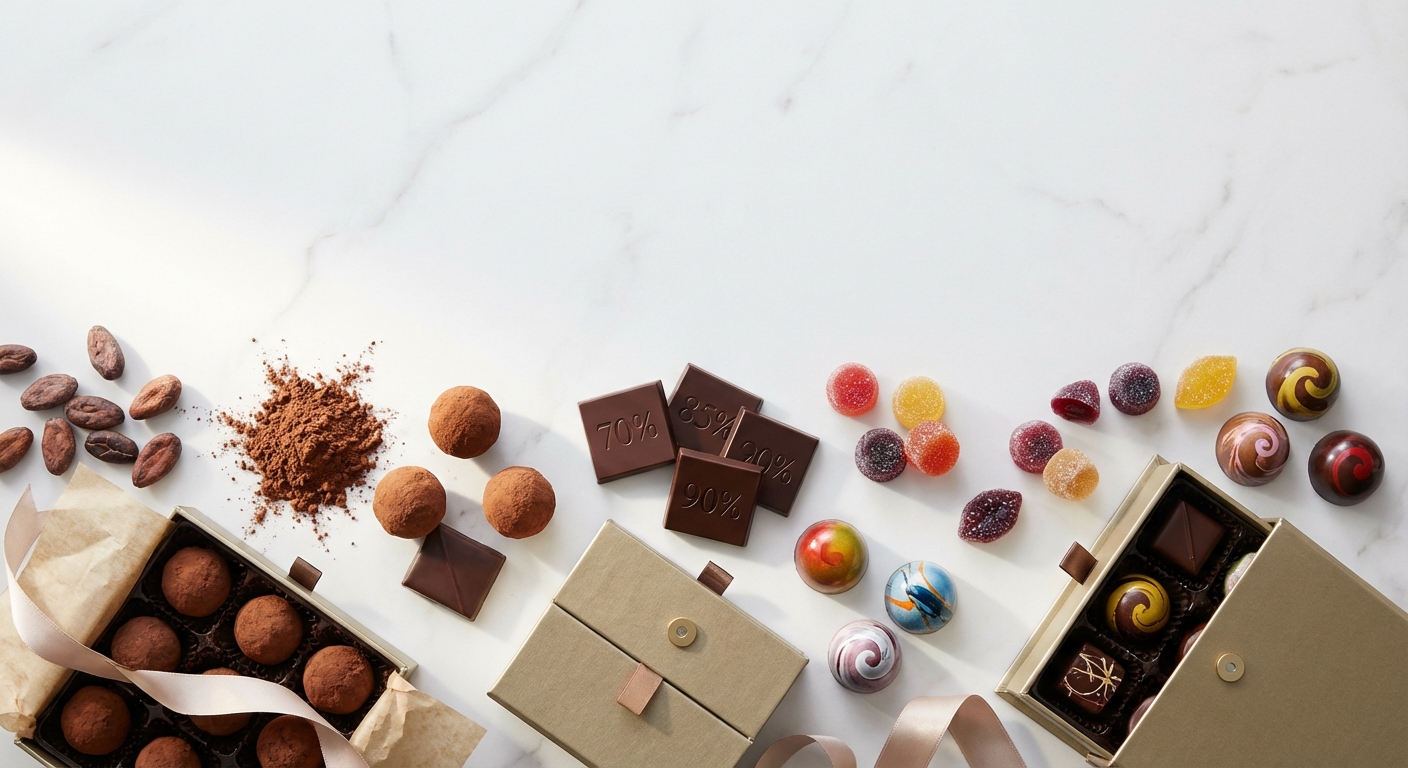
The article explains why confections and chocolates are fundamentally different--confections are a $227-billion universe of sweets built on sugar, technique and innovation, while true chocolate is legally defined by ≥35 % cocoa and the interplay of cocoa solids and butter--and shows how mastering this distinction lets you shop, gift and taste with confidence. Readers learn to decode market segments (mass vs. premium, seasonal vs. limited), match luxury bonbons to four personality types, and use packaging cues and sustainable materials to signal genuine artisanal quality. It details technical levers such as cocoa percentage, the Broma vs. Dutch processes, and flavor trends from "newstalgia" to functional wellness ingredients, then pairs those insights with practical guidance on marrying chocolates with wines, spirits, coffee, tea or cheese for elevated sensory experiences. Ultimately, the piece equips you to move beyond marketing hype, choose products that align with ethics and palate, and turn every gift or personal indulgence into a story of craftsmanship, seasonality and mindful luxury.
Understanding the Distinction Between Confections and Chocolates
Mastering the artisanal techniques that turn cocoa, sweeteners and functional add-ins into $299 billion worth of chocolates, gummies and bars is what separates premium confections from mass-market sweets--and lets innovators like andSons command higher prices through genuine quality.
Defining Confections: Ingredients, Techniques, and Market Position
The world of confections represents an expansive universe of sweet artistry, where specialized techniques transform simple ingredients into extraordinary experiences. This thriving market, valued at $227. 58 billion in 2026 and projected to reach $299. 18 billion by 2031 at a 5. 62% CAGR [1], reflects humanity's enduring love affair with expertly crafted sweets. This category divides into distinct segments: chocolate (54. 28% of market value), sugar confectionery (including gummies, pastilles, and jellies), snack bars, and gums - each utilizing different primary ingredients and processing methods [1]. Chocolate confections rely on cocoa as their foundation, with milk chocolate dominating the market despite growing consumer interest in dark and white chocolate varieties [2].
Sugar confectionery products leverage various sweeteners, with manufacturers increasingly incorporating functional ingredients like probiotics, vitamins, and adaptogens to transform traditional treats into wellness products [1]. The distinction between premium and mass-market confections lies in mastery of technique--a principle that guides true chocolatiers. Advanced methods like surface structuring enhance both mouthfeel and visual appeal, while innovations such as deflavored cocoa and plant-based milk alternatives create unique sensory experiences [1]. These techniques, rooted in European confectionery traditions yet refined with modern creativity, enable artisans to craft products that command premium prices through genuine quality rather than mere marketing [1]. At andSons Chocolatiers, this balance of time-honored processes and contemporary innovation defines every bonbon we create. Flavor development represents another critical technical aspect, with almond, caramel, peanut butter, hazelnut, and peanut ranking as the top chocolate flavor profiles in the US market, while emerging flavors like salted caramel, sea salt, and strawberry show significant growth [2]. The market positioning of confections reflects evolving consumer preferences and distribution dynamics.
Mass-tier products represent 66. 38% of market value, highlighting confectionery's traditional role as an affordable indulgence [1]. However, the premium segment is growing faster (6. 84% CAGR through 2031) as consumers increasingly select single-origin chocolates, artisanal flavors, and ethically certified products, which often command price premiums 3-5 times higher than mass-market alternatives [1]. This premium evolution reflects discerning consumers who seek not just indulgence but mindful luxury--those who appreciate when traditional confectionery excellence meets contemporary wellness considerations through reduced sugar formulations or functional benefits [1]. Distribution channels significantly impact market positioning, with supermarkets and hypermarkets holding 36. 54% of distribution value, while online retail grows fastest (6. 81% CAGR) by leveraging subscription models, personalized recommendations, and transparent ingredient information [1].
What Makes Chocolate a Distinct Category: Cocoa Content and Processing
Chocolate stands apart from other confections because of its unique cocoa requirements and processing methods. Legally, a product must contain at least 35% cocoa content to be classified as chocolate [5]. The foundation of all chocolate is cocoa beans, which when processed yield two essential components: cocoa solids (providing flavor) and cocoa butter (providing texture) [4]. During manufacturing, cocoa beans are roasted and ground into a liquid state called chocolate liquor, which contains approximately 50-57% cocoa butter with the remainder being cocoa solids [5].
These components are then separated through either the Broma process (where cocoa butter naturally drips away in a warm room) or the Dutch process (which adds an alkalizing agent to the cocoa solids) [5]. The separation method significantly affects the final product's flavor profile and acidity. Cocoa percentage--the total proportion of cocoa-derived ingredients--directly influences chocolate's sensory characteristics [4]. Higher percentages (above 70%) create more intense, bitter flavors with less sweetness, while lower percentages allow for creamier, sweeter products [4].
Cocoa butter content particularly impacts chocolate's mouthfeel and texture, contributing to the characteristic snap when broken and silky melting properties [4]. This technical distinction creates clear boundaries between true chocolate products and other sugar confections, with dark chocolate requiring at least 35% cocoa solids, milk chocolate needing minimum 10% chocolate liquor and 12% milk solids, and white chocolate containing cocoa butter but no cocoa solids [5].
Choosing the Right Product for Luxury Gifting
Matching Confection Types to Recipient Preferences
Selecting the perfect luxury confection requires understanding the recipient's personality and preferences through years of experience serving Beverly Hills' most discerning clientele. Four primary personality types guide optimal gift selection: analytical recipients appreciate functional, detail-oriented confections with clear ingredient information and precise craftsmanship; assertive individuals prefer luxury chocolates that symbolize success, often gravitating toward single-origin or premium artisanal offerings that reflect achievement; expressive personalities enjoy creative, adventurous flavor combinations and visually striking presentations that spark conversation; and amiable types value personalized confections with emotional significance and heritage stories [6]. Occasion-specific preferences further refine selection--birthdays warrant personalized assortments reflecting individual taste preferences, anniversaries call for sophisticated options like dark chocolate truffles or champagne-infused ganaches, and corporate gifting benefits from understanding professional contexts [7].
Dietary considerations represent another crucial dimension in luxury gifting, with sophisticated recipients appreciating attention to specific requirements like nut-free, gluten-free, or vegan options without compromising on artisanal quality [6]. Beyond personality and occasion, flavor preferences provide essential guidance--some gravitate toward classic European pairings like dark chocolate with orange, while others seek innovative combinations like white chocolate with matcha or milk chocolate with chili that blend traditional techniques with modern creativity [6]. The artisanal distinction matters significantly to recipients who value sustainability and ethical sourcing, as transparent production practices communicate shared values and enhance appreciation of the gift--particularly important in Beverly Hills where conscious luxury drives purchasing decisions [6].
A thoughtfully curated collection of bonbons that combines time-honored European processes with seasonal Los Angeles inspirations exemplifies this approach. Seasonal considerations add another layer of personalization, with recipients often appreciating limited-edition confections that capture the essence of the season through appropriate flavors and presentations [6].
Leveraging Seasonal and Limited‑Edition Confections for Exclusive Gifts
Seasonal and limited-edition confections create distinctive gifting opportunities that standard products can't match. The global Halloween confectionery market alone is valued at $23. 93 billion and projected to reach $36. 81 billion by 2032, while the Christmas market is expected to grow from $12. 5 billion to $18. 7 billion in the same period [9].
This growth stems from consumers' emotional connection to seasonal flavors and packaging that signal celebration and exclusivity--a principle that second-generation chocolatiers understand intimately. Each major holiday drives unique flavor profiles that enhance gift appeal: Halloween emphasizes playful and unexpected flavors; Christmas features chocolate classics with festive twists that honor European traditions; and Valentine's Day focuses on confections that express sentiment through both classic and contemporary interpretations [10]. Beyond traditional holidays, seasonal flavor trends for 2025-2026 offer additional gifting opportunities through five key categories. Dessert-inspired confections bring nostalgic indulgence through flavors like banoffee pie and tiramisu in premium formats ideal for gifting. "Newstalgia" products combine childhood favorites with sophisticated twists, creating cross-generational appeal. Exotic fruit profiles incorporate ingredients like dragon fruit, lychee, and yuzu that signal adventure and luxury.
Botanical and floral infusions, particularly lavender and chamomile, convey sophistication and wellness benefits. Finally, functional health-driven confections offer purpose-driven indulgence, allowing recipients to enjoy treats while perceiving health benefits [8]. Limited editions drive urgency through perceived scarcity, with seasonal packaging and exclusive flavor combinations transforming everyday confections into coveted gifts. As discussed in the market positioning section, the premium confectionery segment continues its impressive growth trajectory through high-quality ingredients, artisanal production methods, and decorative elements that enhance visual appeal--features that luxury consumers willingly pay more for [9]. To maximize the impact of seasonal confections as gifts, select products that align with both the occasion and recipient's preferences, looking for limited editions that feature premium ingredients, visually striking presentations, and flavor profiles that capture the season while maintaining the sophistication expected from Beverly Hills' finest chocolatiers [8].
Enhancing the Experience Through Presentation and Pairing
Premium Packaging Strategies that Elevate Confections
Premium packaging transforms confections from simple treats into coveted luxury items through strategic design elements. In the world of fine chocolate, where European tradition meets modern sophistication, material selection forms the foundation of luxury perception, with rigid boxes emerging as the industry standard for high-end confections [12]. These substantial structures protect delicate products while communicating quality through their weight and solidity. The box architecture itself significantly impacts consumer perception, with round rigid boxes conveying sophistication for chocolates and truffles, magnetic closure boxes adding theatrical interaction to the unwrapping experience, and drawer-style packaging with personalized pull tabs creating memorable multi-stage revelations [12].
Beyond structure, sensory integration elevates packaging into a complete experience. Effective luxury packaging engages multiple senses through textured papers, embossed elements, and occasionally even scented materials that complement the confection inside, transforming the unwrapping process into a ritualistic prelude to consumption [12]. The unboxing sequence should build anticipation through deliberate layering--revealing the product gradually rather than all at once--with elements like tissue wrapping, ribbon pulls, or hidden compartments that heighten emotional connection [12]. For discerning Beverly Hills clientele, this attention to presentation detail distinguishes true artisanal quality from mass-market alternatives.
Sustainable luxury has evolved from contradiction to requirement, with today's conscious consumers expecting environmentally responsible packaging that maintains premium aesthetics [11]. Eco-conscious options include FSC-certified materials, recyclable rigid boxes, and innovative alternatives like seaweed-based boards that communicate brand values while preserving luxury positioning [11]. Customization serves as the definitive differentiator in competitive confectionery markets, where distinctive finishing details--metallic foil accents, blind embossing, or custom color palettes--transform standard packaging into brand signatures [11].
Pairing Confections with Wine, Coffee, and Spirits for Sophisticated Tasting
Effective pairing expands the range of sensory experiences, creating flavor combinations greater than the sum of their parts. For a methodical approach to pairing, follow a three-step process: first, taste each element separately to understand their individual profiles; next, combine them by allowing chocolate to melt slightly before introducing the beverage; finally, let the chocolate continue melting while evaluating how flavors evolve together [16]. Wine pairings require careful consideration of sweetness balance. The fundamental rule is that wine should be sweeter than the confection to prevent it from tasting bitter or sour [16]. For chocolate specifically, fortified and dessert wines consistently outperform dry varieties--opt for Port, Pedro Ximénez Sherry, or Sauternes with dark chocolate to enhance fig and stewed date notes [16]. Contrary to popular belief, tannic red wines like cabernet sauvignon and merlot generally clash with dark chocolate's own tannins, though pinot noir can work with some chocolates [16].
Sweet whites like Gewürztraminer, moscato, or sweet riesling offer better matches than dry varieties [16]. Spirits provide exceptional pairing versatility, particularly when served neat with minimal water and never with ice, which mutes flavor complexity [16]. Whisky offers the widest variation in pairing options--Irish whiskeys like Redbreast 12 Year provide consistently reliable matches with virtually any chocolate, while sherried Speyside scotches (Aberlour, Macallan) complement with rich sweetness [16]. For unexpected depth, try peaty Islay scotches like Laphroaig, which add savory notes that balance fruit and caramel characteristics in chocolate [16]. Beyond whisky, aged spirits with pronounced caramel notes excel: Ron Zacapa 23 rum creates standout pairings through its vanilla and caramel profile, añejo tequilas (Don Julio, Casamigos) provide delightful matches, and VSOP or XO cognacs complement chocolate so well they've inspired dedicated aging programs for confections [16]. Coffee pairings create perfect morning or after-dinner experiences, with the beverage's acidity and bitterness complementing chocolate's richness [16].
The interplay between a well-crafted espresso and a single-origin dark chocolate bonbon exemplifies how thoughtful pairing elevates both elements. Tea offers more subtle pairings for relaxation and indulgence, providing a lighter alternative that doesn't overwhelm delicate confections [16]. For unconventional but sophisticated experiences, explore cheese pairings with chocolate--a tradition rooted in European tasting culture. The fat in cheese absorbs and neutralizes dark chocolate's bitterness while enhancing mutual nutty notes [16]. Soft and semi-soft varieties like Brie, alpine cheeses (Comté, Gruyère), and Gouda work particularly well, though extremely pungent options like blue cheese should be avoided [16]. These unexpected pairings showcase how fine chocolate transcends traditional boundaries, creating memorable experiences that reflect both time-honored processes and contemporary creativity.
- Chocolate must contain ≥35% cocoa solids; sugar confections use other sweeteners.
- Premium confections grow 6.84% CAGR, commanding 3-5x mass-market prices.
- Seasonal limited editions (Halloween $36.8B by 2032) create urgency via scarcity.
- Luxury packaging uses rigid boxes, magnetic closures, and sustainable materials.
- Pair wine sweeter than chocolate; fortified wines outperform dry reds.
- Whisky, aged rum, and coffee elevate chocolate more than tannic wines.
- Match gift to personality: analytical want details, assertives prefer single-origin.
- https://www.mordorintelligence.com/industry-reports/confectionery-market-industry
- https://www.innovamarketinsights.com/trends/chocolate-confectionery-in-the-us/
- https://www.valrhona.com/en/l-ecole-valrhona/discover-l-ecole-valrhona/chocolate-terminology/types-of-chocolate
- https://www.cacaonoel.com/blog/understanding-cocoa-percentages
- https://worldwidechocolate.com/magazine/chocolate-types/?srsltid=AfmBOorMMpORZlL8PYxGMlW8w3BLB0ULRMo9tDCOYaDR8nudjx9EC4we
- https://www.acacaoaffair.com/blogs/atlanta-chocolatier-blog/1426132-how-to-choose-artisanal-chocolates-for-every-special-occasion
- https://toffeetogo.com/blogs/news/the-easiest-gift-giving-guide
- https://www.confectionerynews.com/Article/2025/12/02/top-5-confectionery-flavour-trends-for-2026/
- https://www.foodnavigator.com/Article/2025/08/05/top-5-confectionery-trends-for-autumnwinter-2025/
- https://sweetmania.pl/en/blog/how-seasonal-occasions-influence-candy-sales
- https://www.clydepresentationpackaging.com/luxury-packaging-for-premium-products-10-strategies-for-success/
- https://ibexpackaging.com/luxury-product-packaging-design-ideas/
- https://toffeebreakdesserts.com/blogs/articles/why-is-packaging-and-presentation-key-for-premium-gifts
- https://www.lechocolatier.com/blogs/blog/the-art-of-chocolate-pairing-perfect-matches-for-wine-coffee-and-more-this-holiday-season
- https://toakchocolate.com/blogs/news/chocolate-pairing-recommendations
- https://www.winespectator.com/articles/abcs-of-pairing-wine-and-chocolate