


Chocolate Tasting Guide: How to Evaluate and Enjoy Confections
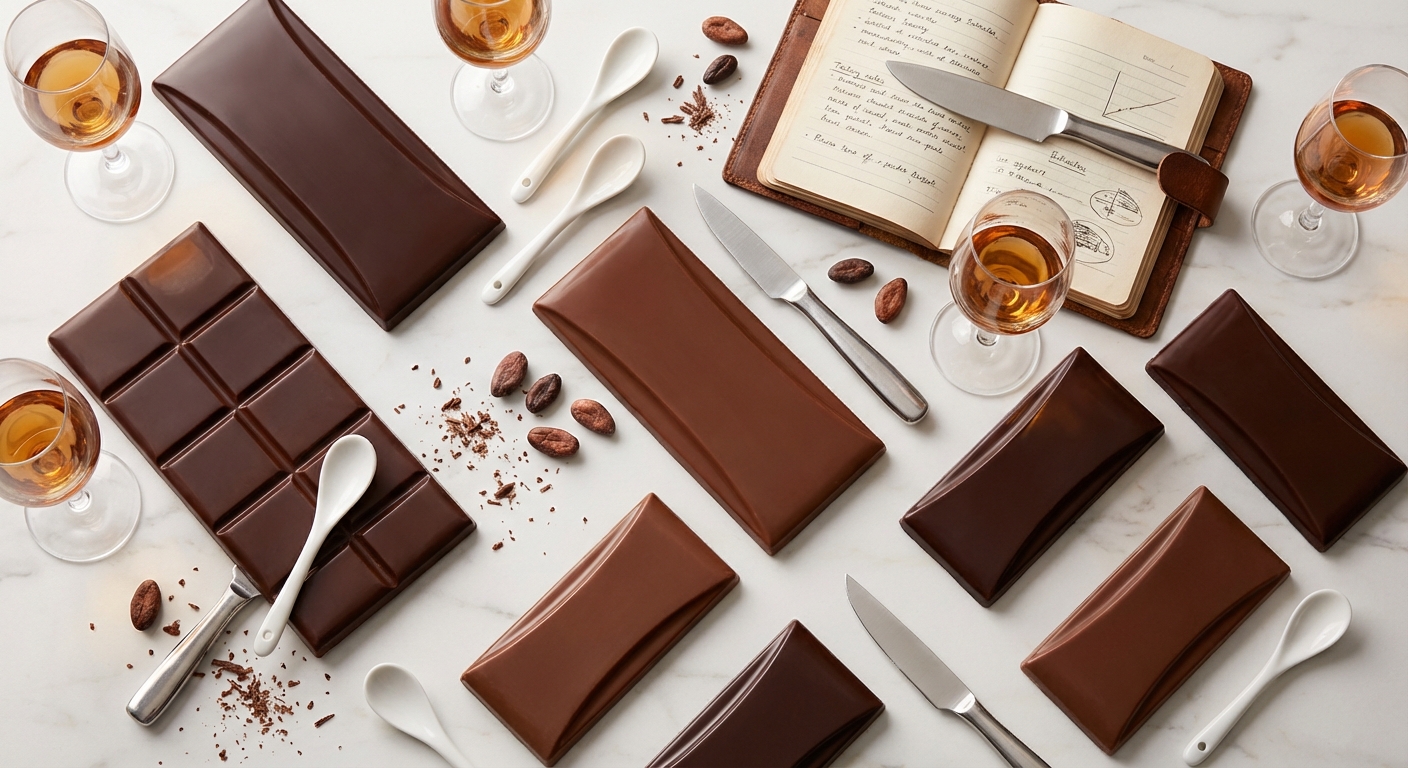
Mastering chocolate tasting transforms casual snacking into a multisensory adventure that reveals the craftsmanship behind every bar. By selecting high-cacao, ethically-sourced chocolates at peak freshness and tasting them at 24 degreesC in a neutral room, you unlock hundreds of volatile aromatics--citrusy Madagascar, spicy Venezuela--that colder or stale samples mute. You'll learn to inhale first, let premium chocolate melt slowly, and track a balanced arc from initial bitterness through fruity, nutty, or floral notes, catching defects like mustiness before they reach your palate. Armed with sensory wheels and precise vocabulary, you can describe white chocolate's vanilla-dairy cascade or dark chocolate's roasted earthiness, then pair them like a pro: fortified wine with 70% single-origin, peppery Vietnamese coffee with Haitian 75%, or Brie and Gruyère with milk chocolate for contrasting textures that amplify both elements. Whether you're comparing single-origin bars blind or daring to drizzle olive oil over dark chocolate, these techniques turn each bite into an informed conversation about terroir, fermentation, and artisanal skill--so you shop smarter, taste deeper, and savor every square with confidence.
Preparing the Perfect Tasting Experience
To prepare the perfect chocolate tasting, select fresh, single-origin bars with at least 65% cacao, bring them to 24 degreesC, and taste in a neutral-lit, distraction-free space after cleansing your palate with warm water.
Choosing High-Quality Chocolate
Quality chocolate selection requires understanding what separates exceptional confections from ordinary ones. While we'll explore detailed sensory evaluation techniques in the following section, initial selection focuses on key quality indicators. Read ingredient lists carefully. Superior chocolate contains fewer, recognizable ingredients without unnecessary fillers or excessive sweeteners.
For tasting purposes, choose bars with at least 65% cacao content to experience the full flavor spectrum [2]. Consider exploring single-origin varieties, which use beans from one specific region to highlight unique flavor characteristics--bright citrus from Madagascar or warm spice notes from Venezuela [1]. At andSons, we curate selections that showcase these regional distinctions alongside our signature bonbons.
Focus on transparency and craftsmanship. Seek out makers who emphasize ethical sourcing and artisanal production methods, as these practices typically yield better flavor development [1]. Check manufacturing dates, as fresh chocolate delivers cleaner, more vibrant flavor profiles without off-notes that develop in older products [2]. Remember that origin influences taste more significantly than cacao percentage alone, making it a crucial factor when selecting bars for comparison tasting [1].
Setting the Ideal Environment
Temperature profoundly influences chocolate's flavor release and texture. Optimal tasting occurs at room temperature (20-24 degreesC), as cold temperatures dull flavors while excessive warmth compromises texture [5]. Research shows 24 degreesC with 50% relative humidity provides ideal conditions for experiencing chocolate's intended sensory qualities [5].
Create a distraction-free space with neutral lighting--preferably over-the-back illumination to properly assess appearance without shadows [5]. Before tasting, cleanse your palate with warm water to remove lingering flavors that might interfere with perception [5]. Organize chocolate samples from lightest to darkest (white to high-percentage dark), preventing palate fatigue and allowing subtle notes in lighter chocolates to be appreciated [5].
Maintain a neutral-scented environment, as strong ambient odors can interfere with chocolate's complex aromatic compounds [5]. These environmental considerations create optimal conditions for detecting the hundreds of volatile compounds that contribute to chocolate's distinctive flavor profile [4].
Sensory Evaluation Steps
Engage your senses deliberately--inhale chocolate's complex bouquet first, then let it melt slowly on your tongue so you can track the silky texture and evolving flavor progression from bright fruit to lingering cocoa, catching any musty or rancid defects along the way.
Visual and Auditory Cues: Look and Snap
Aroma, Texture, and Flavor ProfilingFollowing the visual assessment, engage your sense of smell by bringing the chocolate close and inhaling deeply. Chocolate's hundreds of volatile compounds create remarkably complex aroma profiles--from bright fruity and delicate floral notes to rich nutty and warm spicy characteristics [8]. This olfactory exploration profoundly shapes flavor perception, making it essential to smell before tasting [6]. Enhance aromatic detection by breathing smoothly during tasting and exhaling through your nose after swallowing [6].
Texture reveals crucial quality indicators as chocolate melts. Premium chocolate delivers a smooth, creamy mouthfeel that allows gradual flavor progression [8]. Note melting speed, graininess, and how it coats your palate--chalky, waxy, or sticky textures indicate processing issues [8]. Pay attention to how flavors unfold chronologically--quality chocolate presents a balanced progression rather than immediate intensity [6].
The most desirable profiles balance astringency and bitterness with pleasant cocoa flavor and delicate secondary notes including fruity, floral, spicy, herbal, nutty, or caramel characteristics [8]. Identify any defects such as hammy, musty, ammonia, or rancid notes that signal improper fermentation or storage [8]. Focus on the complete sensory progression from initial taste through finish, noting how flavors evolve and persist [6]. As explored in our tasting vocabulary section, minimizing visual distractions heightens other sensory perceptions during evaluation [6].
Advanced Tasting Techniques and Pairings
Master the sensory wheel's chocolate vocabulary--nine terms for dark, eight for milk, seven for white--then breathe steadily through blind tastings to unlock pairings where fortified wines meet single-origin bars in harmonies greater than their parts.
Developing a Tasting Vocabulary
Developing a precise chocolate vocabulary elevates tasting from casual enjoyment to informed appreciation. Professional tasters use sensory wheels that map chocolate's complex characteristics across multiple dimensions [9]. Different chocolate types require specific descriptive frameworks: white chocolate needs seven key terms (sweetness, vanilla, dairy, and caramel), milk chocolate requires eight (adding cocoa and chocolate liquor elements), and dark chocolate demands nine (incorporating bitterness, roasted notes, and earthiness) [9].
Single-origin varieties often display distinctive fruity, vegetal, spicy, or floral characteristics requiring expanded vocabulary [9]. To sharpen your descriptive abilities, practice blind tastings and compare your notes with official descriptions [6]. Smooth, consistent breathing during evaluation enhances your perception of subtle flavor notes--a technique particularly valuable when appreciating the nuanced profiles found in artisanal confections [6].
This sensory language development parallels skills used by wine and coffee connoisseurs, allowing you to communicate chocolate experiences with precision [9].
Pairing Chocolate with Wine, Coffee, and Foods
Successful chocolate pairings create sensory experiences greater than each component alone. The science behind effective pairings follows three key principles: find foods with similar aromatic profiles, incorporate at least two contrasting tastes, and include multiple contrasting textures [10]. When pairing chocolate with wine, consider that dark chocolate generally pairs better with fortified and sweet dessert wines rather than red wines, which can create an unpleasant tannin clash [10]. For optimal wine pairings, taste each element separately before combining them, and progress from lighter combinations (white wine with milk chocolate) to more intense ones, saving the sweetest wines for last [11]. The production similarities between chocolate and wine--both influenced by terroir and fermentation--create natural pairing opportunities through complementary flavor development [11].
Coffee and chocolate share remarkably similar production processes: both come from seeds of tropical fruits that undergo fermentation, drying, and roasting [12]. This production kinship creates natural flavor synergies when paired together. A Vietnamese coffee with peppery notes pairs exceptionally with Haitian chocolate displaying similar spicy characteristics, while milk-chocolate-caramel covered pecans dipped in black coffee creates an unexpectedly harmonious experience as the heat softens the caramel and melts the chocolate slightly [12]. When exploring chocolate with spirits, opt for whisky, cognac, rum, or aged tequila, which complement chocolate's complexity while chocolate helps dilute alcohol intensity [10]. For cheese pairings, soft and semi-soft varieties like Gruyère, Gouda, and Brie work better than hard cheeses, creating balanced mouthfeel combinations [10].
Beyond these classic pairings, chocolate's versatility extends to unconventional combinations. Consider pairing dark chocolate with specialty olive oils, beef jerky, or traditional Mexican mole sauce for adventurous flavor explorations [10]. For tea enthusiasts, quality dark chocolate pairs exceptionally with Oolongs, Pu'ers, and black teas--match floral-noted chocolates with Jade Oolong for herbal refreshment or nutty chocolate with black Keemun tea [10].
- Choose bars ≥65% cacao, single-origin, fresh, with short ingredient lists for best flavor.
- Taste at 20-24 degreesC in a neutral, odor-free room, cleansing palate with warm water.
- Smell first, then assess smooth melt, flavor progression, and detect off-notes.
- Use sensory wheels: 7 terms for white, 8 for milk, 9 for dark chocolate descriptions.
- Pair via similar aromatics, contrasted tastes/textures; dark works with fortified wines, coffee, or soft cheeses.
- https://amanochocolate.com/the-ultimate-guide-to-tasting-single-origin-chocolate-like-a-pro/?srsltid=AfmBOorq_JqJRUUMmZUemMw4Tk_t7UQlKTiGjNOL-LoKATBuASSXz8tm
- https://tcho.com/blogs/news/chocolate-tasting-101-how-to-taste-chocolate-like-an-expert?srsltid=AfmBOopNLF2z-2MfYN7kvW8KMKM31s_yzfgxB57thMHv_Tg0W3zT1nTz
- https://pmc.ncbi.nlm.nih.gov/articles/PMC6766554/
- https://www.flavoractiv.com/enhancing-chocolate-quality-the-importance-of-sensory-evaluation/
- https://www.hillcountrychocolate.com/blogs/chocolate-and-wine/developing-a-chocolate-tasting-palette?srsltid=AfmBOoptqlqDk-0jdMjnmUCEUa84qJTOpD3xXSEdrJnzSK7dveKoD99g
- https://www.puratos.us/en/blog/how-to-describe-chocolate-like-a-professional
- https://www.abdallahcandies.com/information/a-sensory-experience-taste-chocolate-like-an-expert/?srsltid=AfmBOopyQ1P-MOUEuY9PsVArZGYBhkss4DISy_fitsN9w8-FHFFi44vb
- https://perfectdailygrind.com/2017/09/beginners-guide-cacao-chocolate-flavour-profiles/
- https://www.barry-callebaut.com/en-US/trends-insights/lets-talk-taste
- https://toakchocolate.com/blogs/news/the-art-science-of-food-pairing
- https://perfectdailygrind.com/2019/11/chocolate-wine-how-to-plan-a-perfect-match/
- https://freshcup.com/pairingscoffeeandchocolate/