


Chocolate Decoration Ideas: Elevate Your Confection Presentation
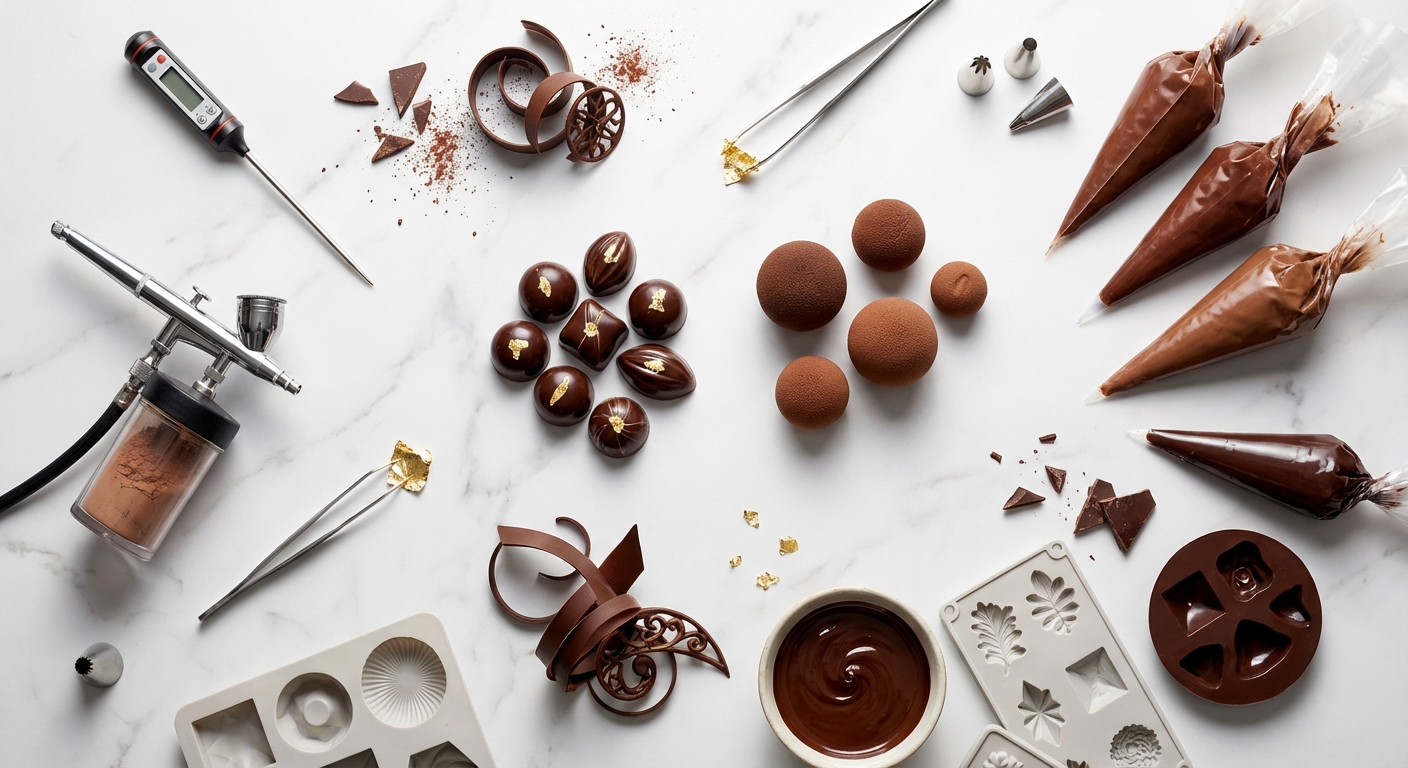
Mastering chocolate decoration begins with flawless tempering--precisely guiding dark, milk, or white chocolate through specific temperature curves to lock in glossy, snappy cocoa-butter crystals that accept every artistic flourish--and this article equips you to do it consistently while scaling from 300 g test batches to full production runs. You'll learn four proven tempering methods, the digital thermometers, turntables, and spray cabinets that turn tempered chocolate into velvet-finish bonbons, edible-gold-leaf truffles, or nature-inspired showpieces, plus how natural colorants and 60/40 cocoa-butter blends flow through airbrushes for vibrant, sustainable designs. Moving beyond technique, the guide reveals professional plating secrets: composing on white porcelain using the rule of thirds, layering textures from silky mousse to crisp shards, and balancing hot, cold, sweet, and acidic elements so every dessert thrills the eye and palate. Finally, it decodes 2025's key trends--Intense Indulgence celebrations, Mindful Indulgence sustainability, and minimalist elegance--showing how to tailor decorations for weddings, holidays, or everyday luxuries while protecting your work from humidity, light, and temperature swings. Whether you're a home enthusiast or a Los Angeles chocolatier merging European heritage with modern flair, these pages give you the science, tools, and creative direction to elevate any confection from simple sweet to memorable masterpiece.
Fundamentals of Chocolate Decoration for Confectionery Excellence
Mastering the precise three-phase tempering process--melting, cooling, and stabilizing chocolate to exact temperatures--is the non-negotiable foundation for creating glossy, snap-perfect decorations that elevate confections from ordinary to extraordinary.
Understanding Chocolate Tempering and Its Impact on Decoration
Tempering is the foundation of successful chocolate decoration, transforming ordinary chocolate into a medium capable of artistic expression. This precise temperature control process--mastered through generations of European chocolatiers--creates chocolate with a glossy finish, satisfying snap, and proper mouthfeel that define truly exceptional confections [1]. At its core, tempering organizes cocoa butter crystals into a stable, uniform structure [1]. Without this crystalline alignment, chocolate decorations appear dull, develop white streaks (bloom), become brittle, and resist proper molding [2]. These defects make the intricate decorative work essential to fine chocolates and bonbons nearly impossible. The tempering process involves guiding chocolate through three critical temperature phases that vary by chocolate type.
Dark chocolate requires melting at 122-131 degreesF, cooling to 82-84 degreesF for pre-crystallization, then stabilizing at 88-90 degreesF for working [1]. Milk and white chocolates need lower temperatures throughout--a critical detail when creating decorations with multiple chocolate varieties [1]. Four main tempering methods serve different decorative needs in professional chocolateries. The traditional tabling method, passed down through generations of European chocolatiers, offers hands-on control for detailed work but requires considerable skill [3]. The seeding method--adding already tempered chocolate pieces to melted chocolate--provides reliability when creating consistent decorations [3]. The gentle melting approach works well for maintaining temper in previously tempered chocolate, ideal for quick decorative elements [3].
The silk method uses pre-crystallized cocoa butter to instantly temper chocolate, enabling the consistent results essential for modern and classic bonbons with complex decorative pieces [3]. When tempering specifically for decorations, precision becomes paramount. Even minor temperature fluctuations can ruin delicate work, as improperly tempered chocolate won't release cleanly from molds, develop proper shine, or maintain its shape [2]. For successful decorative applications, starting with at least 300g (10. 6oz) creates sufficient thermal inertia to maintain stable temperatures while working [1].
Essential Tools and Materials for Creative Chocolate Decoration Ideas
Professional chocolate decoration demands both fundamental and specialized tools to achieve the standards expected in fine chocolateries. A precision digital thermometer ensures chocolate reaches exact tempering points needed for decoration work, while a professional-grade kitchen scale measures ingredients to the gram--essential for the consistency that distinguishes artisanal confections [4]. Beyond basics, fine pastry brushes apply delicate glazes, while pastry bags with various tips create the precise lines, flourishes and patterns that elevate chocolate surfaces from simple to sophisticated [5].
Specialized equipment elevates decoration capabilities significantly. The DJ Food Decor automatic turntable supports up to 8 kg and rotates plates or cakes at adjustable speeds, enabling uniform application of chocolate through brushes, pastry sleeves, or airbrush techniques [4]. For temperature-sensitive work, a Hot Mat silicone device heats to a precise 90 degreesC/194 degreesF, eliminating traditional lamps when working with chocolate paints or creating delicate decorative elements [4].
Preparation tools make a substantial difference in decoration quality. The Twin Stones Wet Grinder transforms chocolate into customized textures for distinctive decorative elements, while professional dehydrators with multiple trays provide ample space for creating dried fruit garnishes that complement chocolate work [4]. Storage solutions with humidity control protect both ingredients and finished decorations from moisture damage--particularly important for presentation-grade chocolate work that must maintain its appearance until service [4].
Modern Techniques to Elevate Your Chocolate Confection
Master the 60:40 chocolate-to-cocoa-butter ratio, freeze your product to -18 degreesC, and spray at 45-50 degreesC to lock in either mirror shine or velvet matte--then crown it with whisper-thin 23-karat gold for instant luxury.
Airbrush and Spray Methods for Precise Chocolate Decoration Ideas
Airbrush and spray techniques transform ordinary chocolate confections into visually striking creations through two distinct finishes: high-gloss shine or velvety matte textures. The velvet effect not only elevates appearance but also helps preserve moisture in cakes and pastries [6]. Creating professional spray applications requires precise ratios--60% chocolate to 40% cocoa butter creates the optimal fluid mixture that flows smoothly through spray nozzles without clogging [7]. Temperature control is critical throughout the process.
The mixture must reach 45-50 degreesC before loading into a pre-heated spray gun, while the target surface should be frozen to -18 degreesC to create the necessary thermal shock for proper texture development [7]. Common application errors include incorrect spraying distance, poor ventilation, and inconsistent technique. Spraying too close can damage delicate surfaces, while too far allows the mixture to solidify mid-air, creating an uneven finish [8]. Professional results require controlled environments--temperature fluctuations and humidity significantly impact how cocoa butter behaves during application [8].
For serious confectioners, dedicated spray cabinets offer significant advantages by containing overspray, maintaining consistent conditions, and improving safety by preventing cocoa butter mist inhalation [8]. When properly executed, the application process involves heating the spray gun, straining the prepared mixture into the container, and applying with smooth, controlled movements while maintaining a consistent distance from the frozen product [7].
Using Edible Gold, Silver, and Natural Colorants in Chocolate Confections
Edible metals transform ordinary chocolate into luxurious confections through three distinct forms, each offering unique decorative possibilities. Gold and silver leaf--ultra-thin sheets of 23-24 karat pure metal--create dramatic surface coverage, while flakes provide a scattered accent effect, and dust delivers a subtle shimmer without overwhelming visual impact [9]. When working with these delicate materials, create a draft-free environment as even slight air movement can disrupt placement. Surface preparation determines success--chocolate must be slightly tacky but not wet for proper adhesion [11]. For precise application on chocolate bonbons or truffles, use fine tweezers or a soft, dry brush rather than fingers, as natural oils damage the leaf [9]. Application techniques vary by desired effect. For complete coverage with leaf, gently position it onto tacky chocolate surfaces using backing paper, then lightly press to adhere before carefully removing the paper [11].
When working with flakes, either sprinkle them randomly for an organic appearance or place individually with tweezers for controlled accents [10]. For dust application, use a dry brush to pick up small amounts, then tap gently over chocolate surfaces to create subtle highlights or defined patterns [10]. Temperature significantly impacts results--slightly warm chocolate surfaces improve adhesion while preventing condensation that would repel the metal [10]. Achieving professional finishes requires strategic application approaches. Create partial coverage by strategically placing small pieces of leaf for a crackled appearance, or use a clean brush in circular motions after application to selectively remove areas of gold for a vintage, distressed effect [11]. For three-dimensional chocolate work, apply metals only after tempering is complete and surfaces have slightly set to prevent unwanted absorption or discoloration [9]. Store decorated pieces away from direct light and moisture, as even minor environmental fluctuations can cause metals to separate from chocolate surfaces or lose their reflective qualities [9].
Natural colorants offer sustainable alternatives to synthetic options while maintaining visual impact. Beetroot powder creates deep reds perfect for Valentine's bonbons, while spirulina delivers vibrant greens ideal for matcha-flavored confections. Turmeric provides golden yellows that complement citrus ganaches, and activated charcoal achieves dramatic blacks for sophisticated presentations. When incorporating natural colorants into chocolate work, add them to white chocolate at temperatures below 40 degreesC to preserve color intensity. For airbrushing applications, mix colorants with cocoa butter at a 1:10 ratio for optimal flow and coverage.
Presentation and Finishing Touches for Stunning Chocolate Desserts
Master the rule of thirds, contrast silky mousse with crisp shards, and dot sauces like brushstrokes to turn every plate into a multisensory chocolate canvas.
Plating Strategies and Textural Contrasts to Highlight Chocolate Decoration Ideas
Effective plating transforms ordinary chocolate desserts into visual masterpieces through strategic composition. The plate itself serves as a canvas--white porcelain provides maximum contrast that makes dark chocolate, colorful garnishes, and sauces visually pop [14]. Rather than centering desserts, professional chocolatiers apply the rule of thirds, positioning the main chocolate element slightly off-center while using negative space deliberately to create dynamic presentations that honor both European elegance and contemporary artistry. Sauces become artistic elements when applied with precision using squeeze bottles or spoons to create dots, swooshes, or brushstroke-like movements that direct the eye across the plate [14]. These deliberate applications add flow and rhythm, transforming static presentations into compositions with depth and movement. Textural contrast is fundamental to elevated chocolate dessert presentations.
Professional pastry chefs balance multiple textures--smooth, crunchy, creamy, and crisp--to create sensory complexity [13]. Each dessert should incorporate a starring element--typically the chocolate component--with complementary flavors expressed in different forms. This might mean presenting chocolate in various textures: silky mousse alongside crisp tempered chocolate shards, smooth ganache contrasted with chocolate soil, or showcasing When considering architecture, ultra-thin rectangles of tempered chocolate must be appropriately sized; if too thick, textures become unbalanced and the dessert difficult to eat [13]. Layering adds depth and dimension, using contrasting colors and textures for visual interest [14]. Temperature variation adds another dimension to chocolate presentations. Plated desserts offer unique opportunities to play with hot, cold, frozen, and room-temperature components simultaneously [13].
A warm chocolate fondant paired with cool whipped cream and frozen chocolate sorbet creates both visual and sensory contrasts when served. For balance, combine sweet elements with acidity or bitterness--rich chocolate desserts benefit from tart fruit sauces that prevent overwhelming sweetness [13]. Garnishes like edible flowers and herbs add color while complementing the dessert's flavors [14]. When arranging chocolate decorations, consider height--stacking components or adding vertical elements like chocolate shards draws the eye and creates dynamic presentations [14]. The final professional touch comes from immaculate plate edges--chefs meticulously wipe away smudges and stray sauce drops, as this attention to detail signals quality and intention [14].
Seasonal and Trend‑Driven Themes for Contemporary Chocolate Confection
Contemporary chocolate decoration increasingly follows three distinct trend paths that offer unique storytelling opportunities for modern chocolatiers. Intense Indulgence themes embrace over-the-top experiences through multi-sensorial decorations that engage multiple senses beyond taste. These designs highlight seasonality, origin stories, and craftsmanship--appealing to the 71% of global consumers who choose chocolate specifically for celebrations [15].
In contrast, Mindful Indulgence decorations reflect growing demand for treats that don't compromise personal or planetary well-being, incorporating plant-based elements, reduced sugar visual cues, and sustainable sourcing messaging through decoration [15]. Nature-inspired themes continue dominating seasonal designs, with delicate leaf patterns and floral motifs like Magnolia flowers (available in white and pink) adding naturalistic charm to confections [16]. For holiday-specific presentations, modern interpretations of classic Christmas, Easter, and Halloween motifs feature refreshed designs with contemporary colors and unexpected textures [16].
The 2025 season anticipates increased demand for bold experimentation through vibrant color palettes and unconventional decorative forms that captivate sophisticated consumers [16]. Wedding and special occasion chocolate work benefits from hand-crafted elements like the Tea Rose design, which blends traditional craftsmanship with contemporary styling for truly distinctive celebratory confections [16]. The minimalist aesthetic trend appears through designs that embody clean lines and understated elegance while providing versatile decoration options--a philosophy that resonates with chocolatiers who balance time-honored European processes with contemporary Los Angeles sensibilities [16].
- Temper dark chocolate to 88-90 degreesF after melting at 122-131 degreesF and cooling to 82-84 degreesF for glossy decorations.
- Mix 60% chocolate with 40% cocoa butter and spray at 45-50 degreesC onto frozen -18 degreesC surfaces for velvet finish.
- Apply gold leaf to slightly tacky, draft-free chocolate surfaces using tweezers to avoid oil contamination.
- Add natural colorants below 40 degreesC to white chocolate; mix 1:10 with cocoa butter for airbrushing.
- Plate desserts off-center using rule of thirds, balancing smooth, crunchy, creamy, and crisp textures.
- Create temperature contrast by pairing warm fondant with frozen sorbet and cool cream elements.
- Use negative space and varied heights in plating, wiping edges clean for professional presentation.
- https://valrhona-collection.us/blogs/news/chocolate-tempering-why-it-matters-and-how-to-master-it?srsltid=AfmBOor3QbUHk926S9kMbL_U7Cwdc6twkKoTR3wivEjA_2bVBwDydlGb
- https://www.valrhona.com/en/l-ecole-valrhona/discover-l-ecole-valrhona/chocolate-terminology/tempering-chocolate
- https://kadzama.com/blog/tempering/tempering-chocolate-methods-and-techniques-for-perfect-results/
- https://100x100chef.com/en/pastry-tools-chefs/
- https://www.pastryclass.com/articles/essential-tools-pastry-chef-guide
- https://www.callebaut.com/en-US/callebaut-chocolate-academy/tutorials/spray-gun
- https://www.callebaut.com/en-US/callebaut-chocolate-academy/tutorials/spray-gun/velvet
- https://kadzama.com/blog/other/5-common-mistakes-when-using-chocolate-velvet-spray-and-how-to-avoid-them/
- https://www.ediblegold.co.uk/blogs/beginners-guides-to-edible-gold-leaf/a-beginner-s-guide-to-using-and-applying-edible-gold-leaf
- https://titaitalia.com/blogs/recipes/the-art-of-plating-using-edible-gold-to-impress-your-guests?srsltid=AfmBOoq51TV_5k-pzg-67f-jko_HQ0tmk8vYmaYFcqL_TTzOt3a3tgc4
- https://www.cakecraftcompany.com/blog/golden-elegance-edible-leaf-flakes-on-cakes/?srsltid=AfmBOoo5VNGabKhPmNx-BN9bvRSisQ4ouJY1q7mAY__irha00_FrVzuq
- https://www.fabsweetcreations.com/fab-sweet-creations-news/guide-stylish-dessert-plating/
- https://pastryartsmag.com/sponsored/the-key-elements-of-a-plated-dessert-by-michael-laiskonis/
- https://malacasa.com/blogs/news/restaurant-style-dessert-plating-guide?srsltid=AfmBOoo0qpIe3--T7TaFoGwNC45kK_zJDSa7F7bHB0BDjjBbHB_h4bac
- https://www.barry-callebaut.com/en/about-us/media/news-stories/barry-callebaut-shares-chocolate-trends-2023-and-beyond
- https://www.barbara-luijckx.com/premiere-of-chocolate-decoration-catalogue-no-07-confectionery-trends/